Three neighborhoods in one
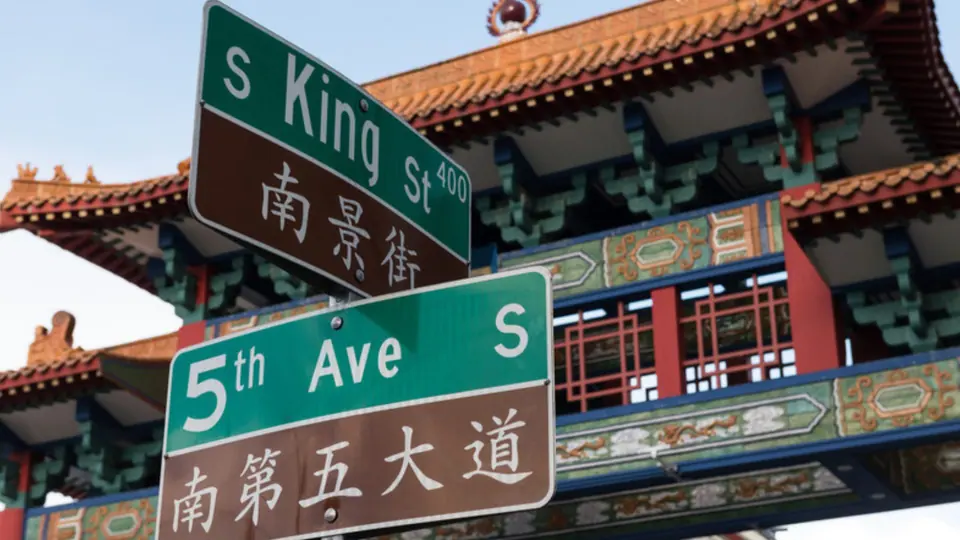
Each part of the CID has its own center of gravity. Chinatown's historic core sits roughly south of Jackson Street and west of Interstate 5, with Hing Hay Park at its heart, and this area joined the National Register of Historic Places in 1986 as the Seattle Chinatown Historic District.
Head to 6th Avenue and Main Street to find Japantown as it clusters today. Little Saigon's main hub lies farther east, near 12th Avenue South and South Jackson Street. The district was also once home to a Manilatown, where many Filipino American workers lived.
Things to Do in the District
Plan to mix strolling, snacking and a few landmark stops. The district's small parks make an easy way to shape your walk, since each one tells part of the neighborhood's story.
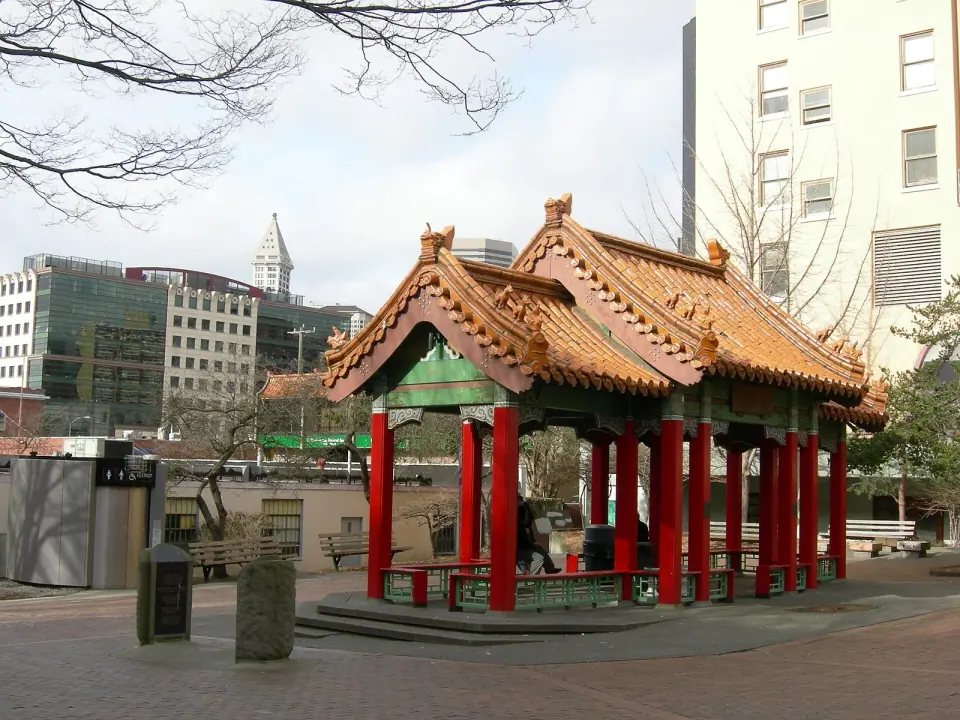
Hing Hay Park, the community square
Start at Hing Hay Park, the gathering place for the whole district. Look for the pavilion, a gift from the mayor of Taipei, and a dragon mural dating to 1977. Come in summer and you can catch neighbors practicing tai chi, and the park also hosts the annual Dragon Fest. Check official listings for current event dates.
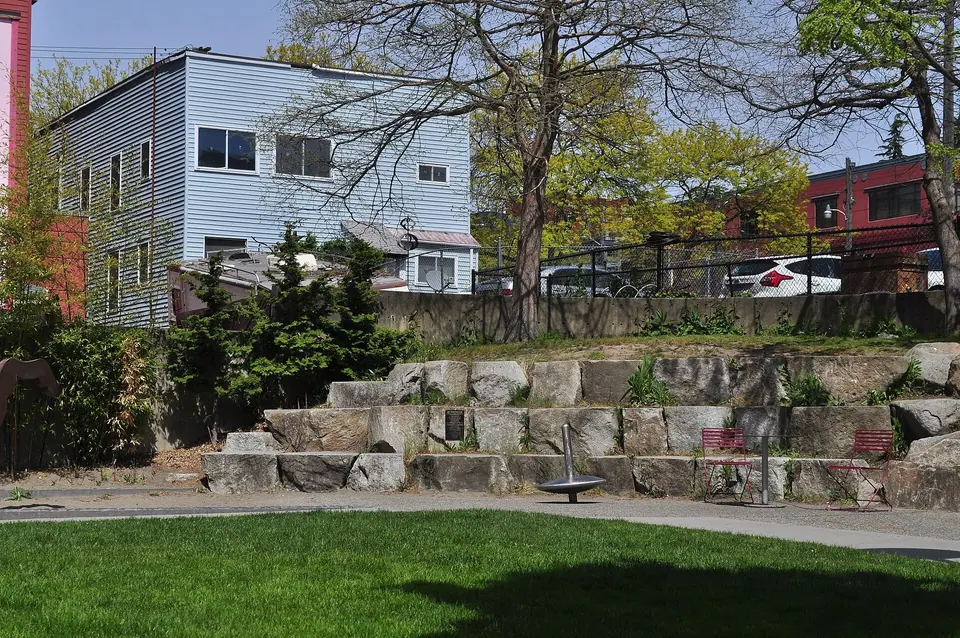
Kobe Terrace and its hillside garden
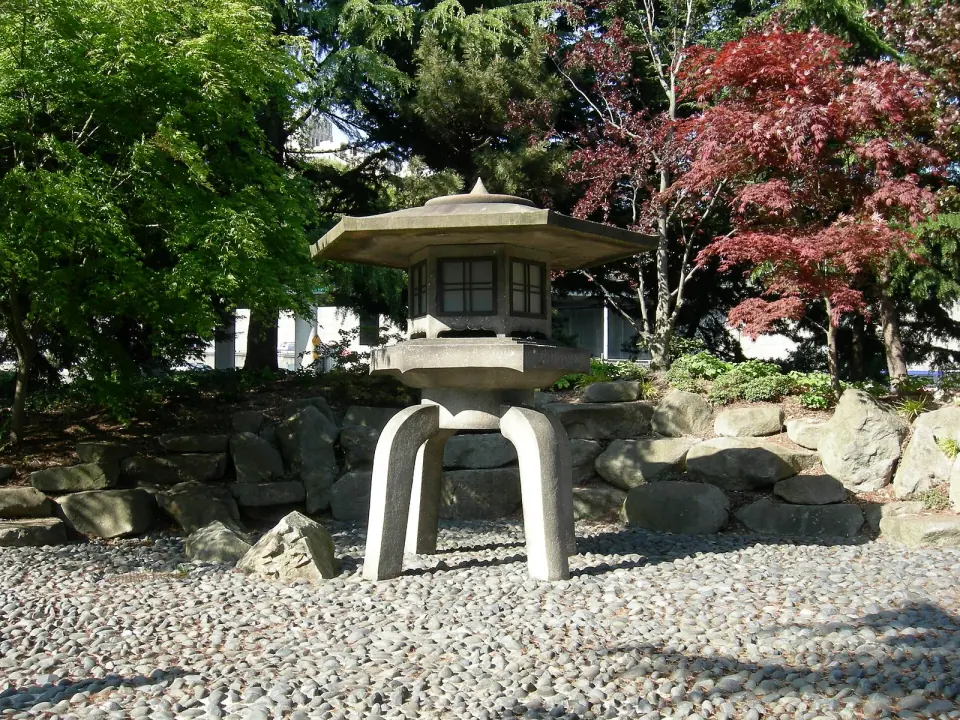
Wander up to Kobe Terrace, a one-acre public park named for Seattle's sister city of Kobe, Japan. It is also home to the Danny Woo International District Community Garden, and it offers a calm pause between the busier blocks.
Dragon Park for families
Bring the kids to the International Children's Park, which locals simply call Dragon Park. This small playground at 700 S Lane St is built around a bronze dragon by artist Gerard Tsutakawa. The park also honors Donnie Chin, a volunteer first responder who looked after the neighborhood.
Historic buildings to spot
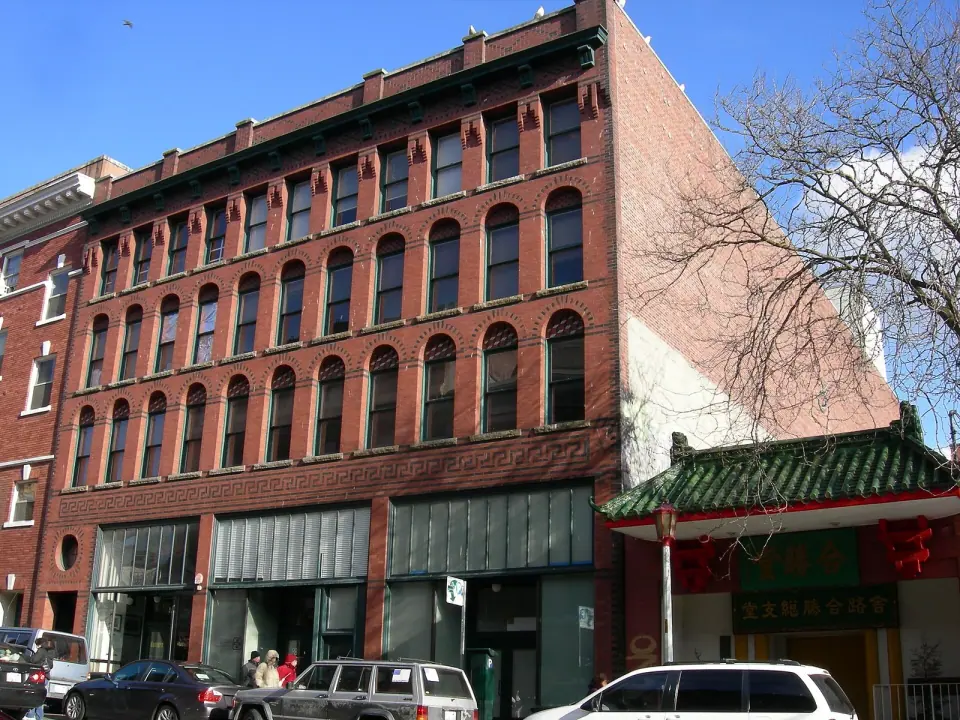
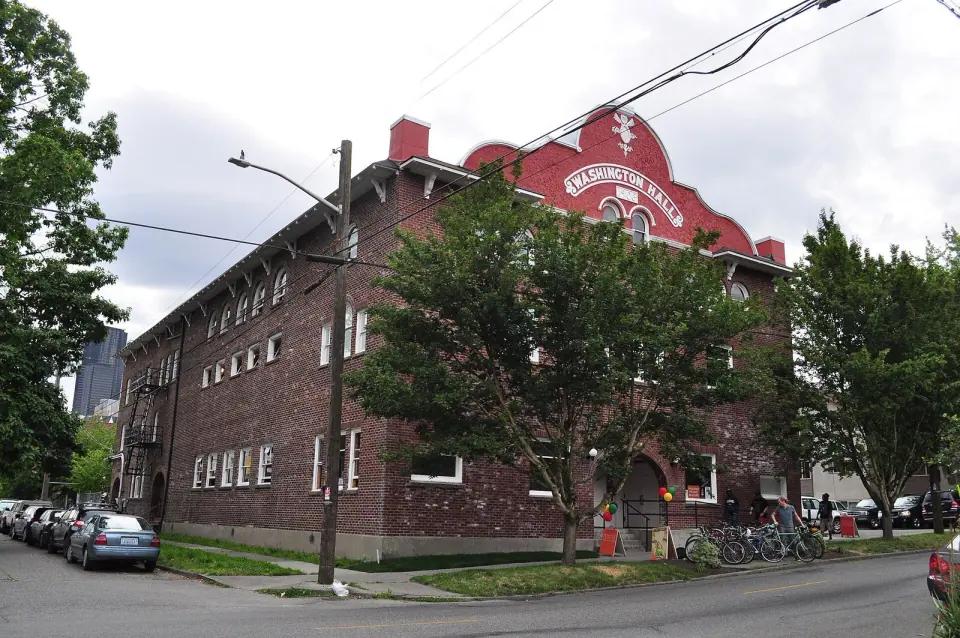
As you walk, notice how many older buildings began as single room occupancy hotels. Most early settlers were single laborers rather than families, so they lived in small rooms and relied on ground-floor restaurants, bathhouses and barbershops for daily needs. Ornamented balconies on some of these buildings still catch the eye today.
- The East Kong Yick Building shows off this style with a recessed second-story balcony. It and the West Kong Yick Building were funded through the Kong Yick Investment Company, formed in 1910 by a group led by businessman Goon Dip.
- The Panama Hotel, which once featured a bathhouse, was named a National Treasure in 2015 after an earlier listing on the National Register. It stands as one of the last traces of prewar Japantown.
- The Eastern Hotel on Maynard Avenue South was built in 1911 for the Wa Chong Company and is an official City of Seattle landmark.
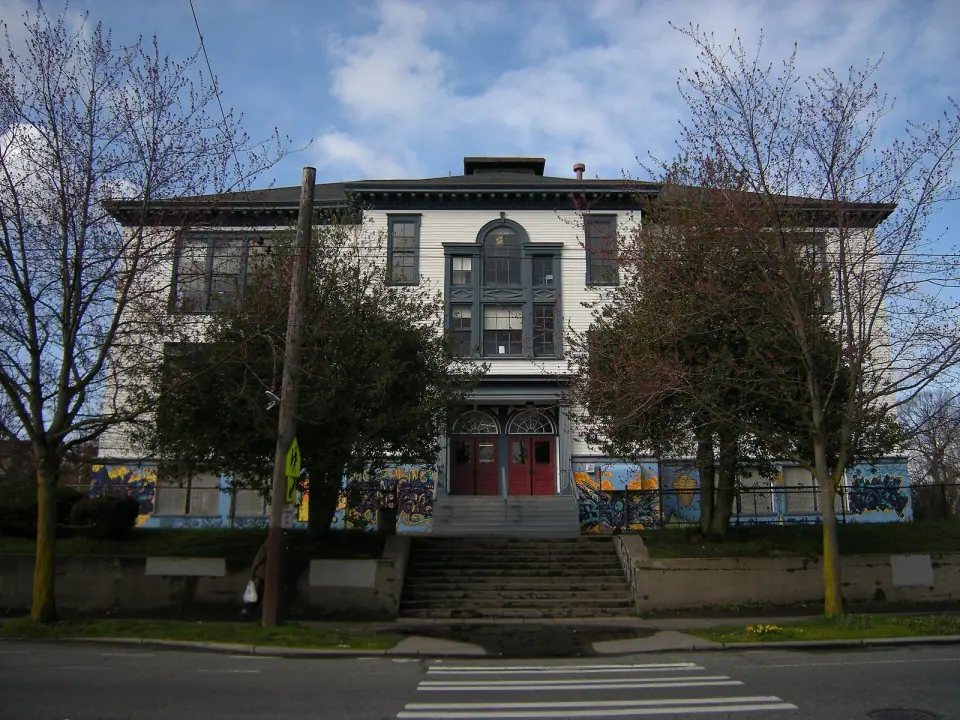
Keep an eye out, too, for the Victorian Row Apartment Building, the Old Main St School and the Chinese Community Bulletin Board. The neighborhood even has its own Seattle Public Library branch.
How Chinatown Came to King Street
The Chinatown you explore today is actually the city's third. Chinese immigrants reached Seattle in the 1860s, beginning with Chin Chun Hock, the first known arrival in 1860, who later opened a general store and hotel. Many early arrivals came from Guangdong province, especially Taishan.
The first Chinese quarter grew near Yesler's Mill on the waterfront. In February 1886, a group of white residents forced most of the Chinese population out of the city. Some found shelter on reservations with Native Americans, while others were protected by employers and a judge.
After the Great Seattle Fire of 1889, a second Chinatown formed around Washington Street and Second Avenue South, until rising land values pushed the community out again. The Jackson Regrade, which began in 1907, flattened hills and opened up the King Street area, where the current Chinatown took shape.
Japantown, Manilatown and wartime loss
Japanese immigrants began arriving near the end of the 1800s and built Nihonmachi along Main Street, which by the mid-1920s ran from 4th Avenue to 7th Avenue with businesses scattered along nearby streets. Filipino Americans followed in the 1920s, working in canneries and on farms. Author Carlos Bulosan captured that life in his 1946 novel America Is In The Heart.
In 1942, Executive Order 9066 sent Japanese Americans to inland camps, and most Seattle residents were held at Minidoka in Idaho. Many never returned to the old neighborhood after the war. The North American Post, a Japanese-language newspaper founded in 1902, remains one link to that era.
During the war, African Americans arriving from the South moved into many of the vacant homes. They also filled empty storefronts along Jackson Street with jazz clubs.
Little Saigon and the freeway years
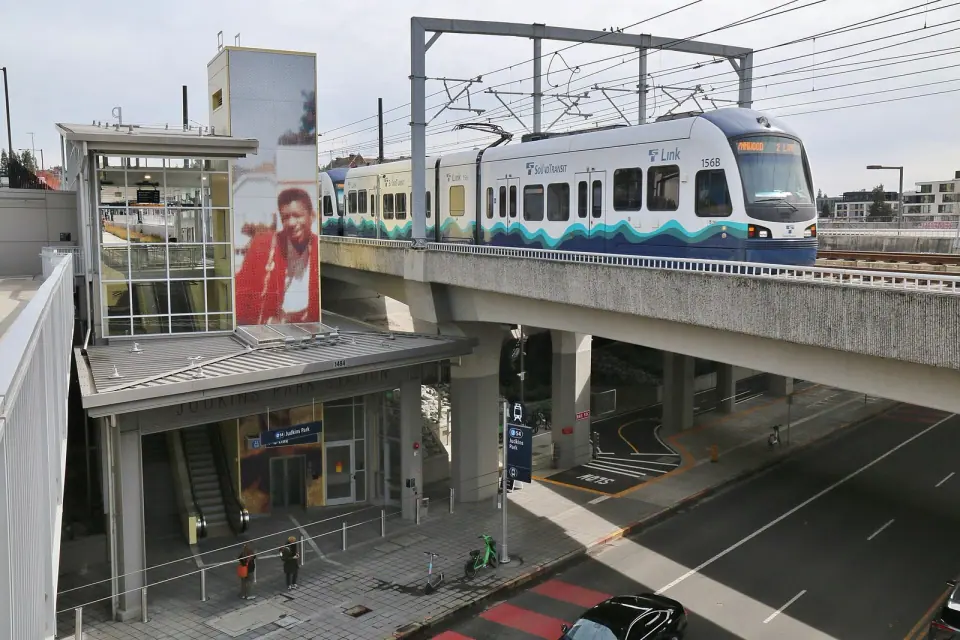
Vietnamese immigration after the Vietnam War gave rise to Little Saigon in the 1970s, even as the district faced heavy pressure. Interstate 5 was cut through the area in the 1960s, and the Kingdome opened nearby in 1976. The Jackson Street Community Council, the city's first neighborhood advocacy group, fought the highway.
The Story Behind the Name
In 1951, Mayor William D. Devin declared the area the International Center, pointing to the mix of people living and working there. Ruby Chow, a businesswoman who later served on the city council, argued the label hid Chinese American history. The city's use of International District is still debated, which is why you will hear many people say Chinatown-International District instead.
Eat and Shop Where History Runs Deep
Come hungry, because food is a big draw here, and a couple of names carry real history. Maneki ranks among the oldest Japanese restaurants in the country, and after its original building was looted during the war, it reopened in its former storage space. Uwajimaya began as a Japantown store before moving downhill into Chinatown.
Beyond those, browse a district packed with restaurants and shops run by Chinese, Japanese and Vietnamese families. Hours and offerings change, so check with each business directly before you go.