Getting there without a car
Hop on transit and the trip is simple. The Capitol Hill light rail station on the 1 Line sits on Broadway south of John Street and Olive Way, and since it opened in March 2016, trains have carried riders north to the University of Washington and south to downtown.
Catch the First Hill Streetcar to its last stop on Broadway at Denny Way, just steps from the station. King County Metro runs several electric trolleybus routes through the area, including the 10, 12, 43 and 49. You can also ride the RapidRide G line along Madison Street from downtown through First Hill and Capitol Hill as it continues toward Madison Park.
Broadway and the Pike-Pine Corridor
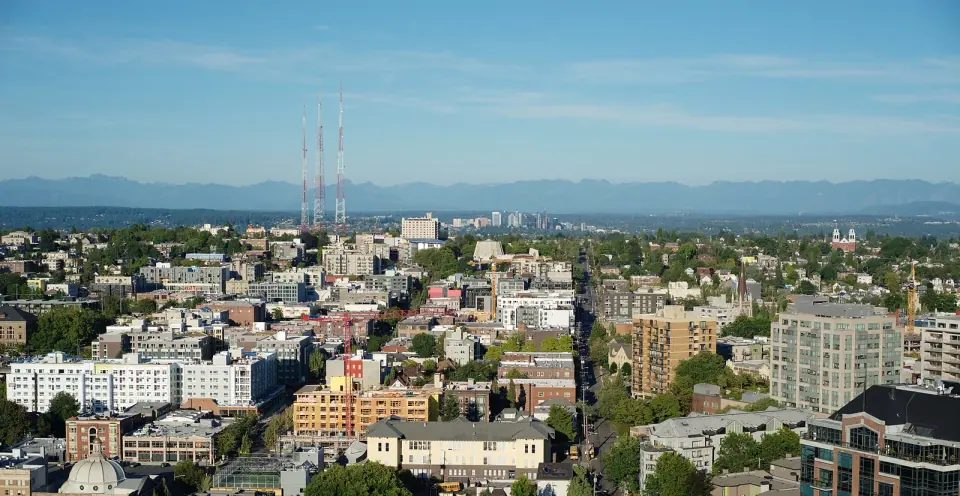
Stroll Broadway first, the commercial spine of the hill, where much of the street is lined with shops at street level. Then head for the Pike-Pine corridor, the stretch between Pike and Pine Streets running from Boren Avenue to 15th. This is where most people come to eat, drink and hear music, with coffee shops, bars, restaurants and music venues tucked into mid-rise buildings in an eclectic mix.
Look closely and many of those buildings carry a story. By 1911 the area held 31 of the city's 41 car dealerships, clustered around Pike, Pine and Broadway alongside garages and parts suppliers. When that auto row faded after the 1920s, artists and the LGBTQ community moved into the spaces left behind, and several of the old structures are now protected landmarks or woven into newer projects.
Restaurants and coffee
Start your dinner or casual meal search along Pike-Pine, then wander out to Broadway, 15th Avenue and E. Olive Way, which also offer long runs of storefronts. Capitol Hill has long been home to some of Seattle's best-known independent coffeehouses as well as the big local chains. Menus and openings change often, so check current hours before you go.
The Capitol Hill Farmers Market
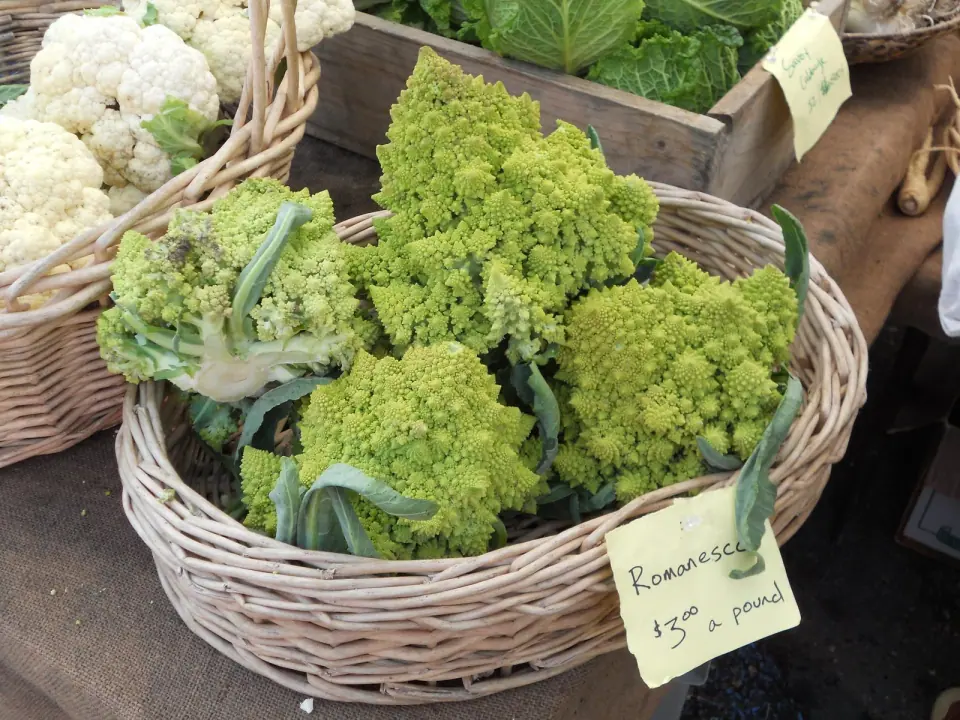
On Sundays and Tuesdays, fresh produce arrives at the corner of E. Denny Way and Broadway E., a block from Cal Anderson Park. Browse the Capitol Hill Farmers Market guide for current days and location, and confirm hours with the market, since they can change.
Nightlife, Music and Film
When evening comes, you are in one of Seattle's leading nightlife districts. Plenty of bars book live bands, and the neighborhood supports a number of fringe theaters. Capitol Hill is the area most linked with early 1990s grunge, although many of that era's famous venues actually sat just outside its borders, and today the sound ranges from punk and folk to salsa, hip hop, electronica and trance.
The hill has its place in hip hop, too. Sir Mix-a-Lot, from the nearby Central District, recorded "Posse on Broadway" about a night out here, and Macklemore, who grew up near Broadway, has written several songs about the neighborhood.
Cinemas worth seeking out
Film lovers can spend a whole evening at the movies. Catch a screening at the Egyptian Theatre, set in a former Masonic lodge converted in the mid-1980s, or visit the Northwest Film Forum, Seattle's only cinematheque, which also teaches filmmaking classes. The Broadway Performance Hall on the Seattle Central College campus hosts lectures, performances and screenings, and local venues take part in the Seattle International Film Festival each year.
Capitol Hill Block Party
Every year since 1997, the Capitol Hill Block Party has taken over Pike Street between Broadway and 12th Avenue in late July. Because it is an outdoor music festival, check the official event site for dates, lineup and ticket details.
Volunteer Park and Quieter Green Space
For the neighborhood's big green escape, head to Volunteer Park, a 48.3-acre park designed in the Olmsted tradition. Climb the 1906 water tower to its observation deck, explore the Seattle Asian Art Museum and stand on the highest ground on the hill.
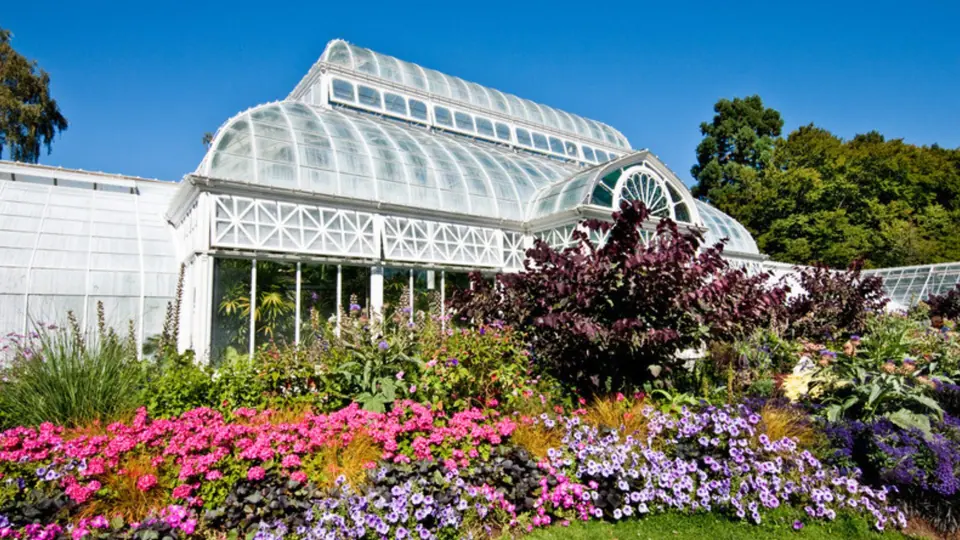
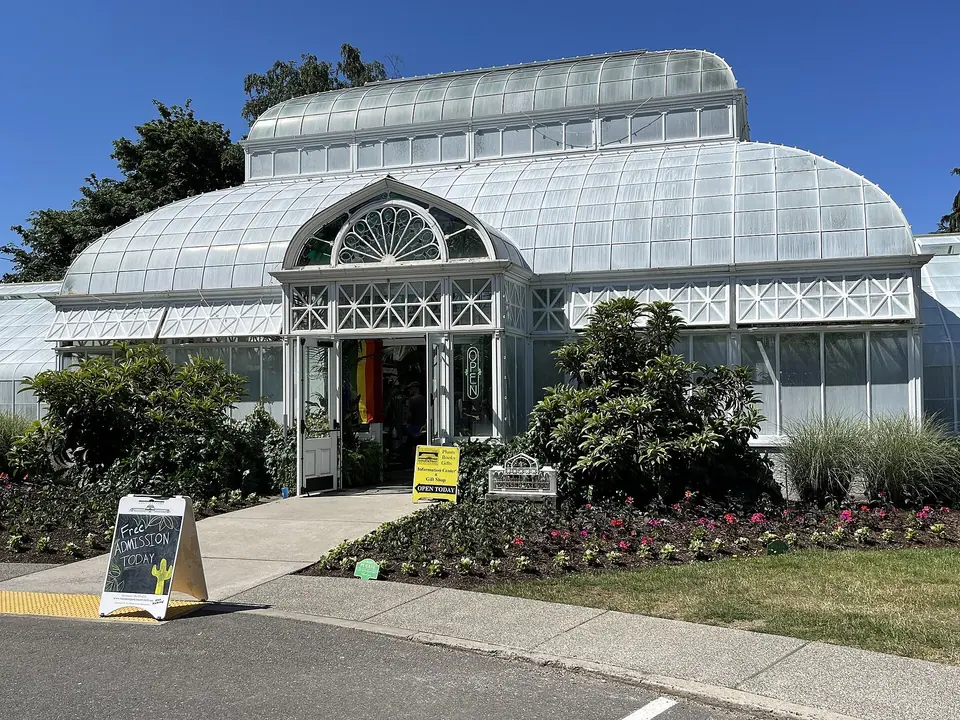
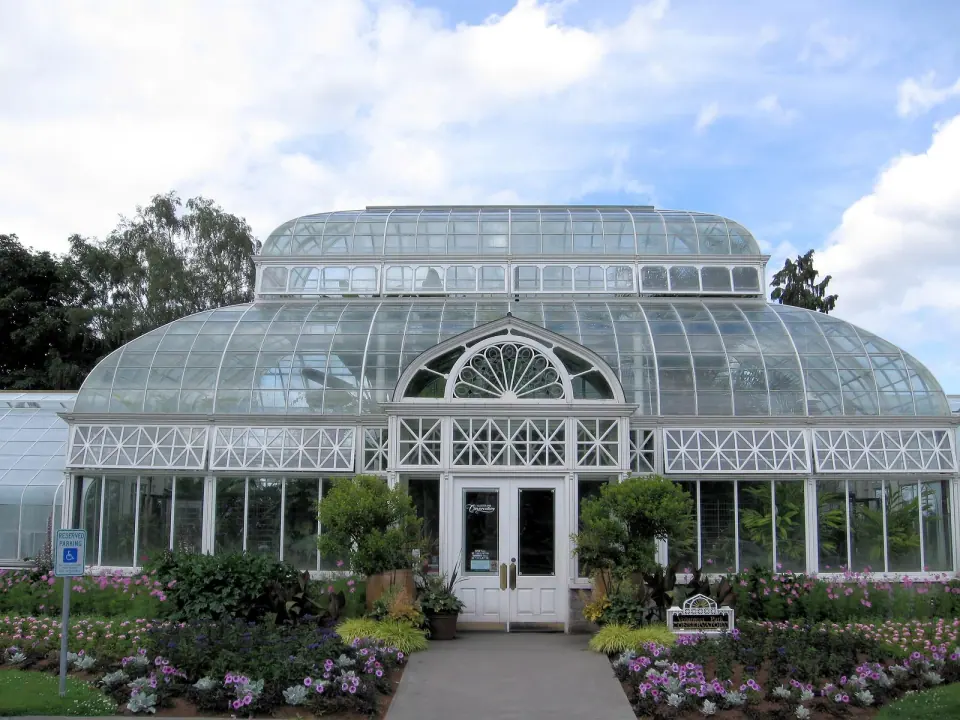
At the north end, step inside the Volunteer Park Conservatory, a city-owned glasshouse from 1912. Its five display houses range from carnivorous bog plants to a jade tree grown from a 1916 cutting, which makes it an easy stop on a rainy day.
Smaller parks with character
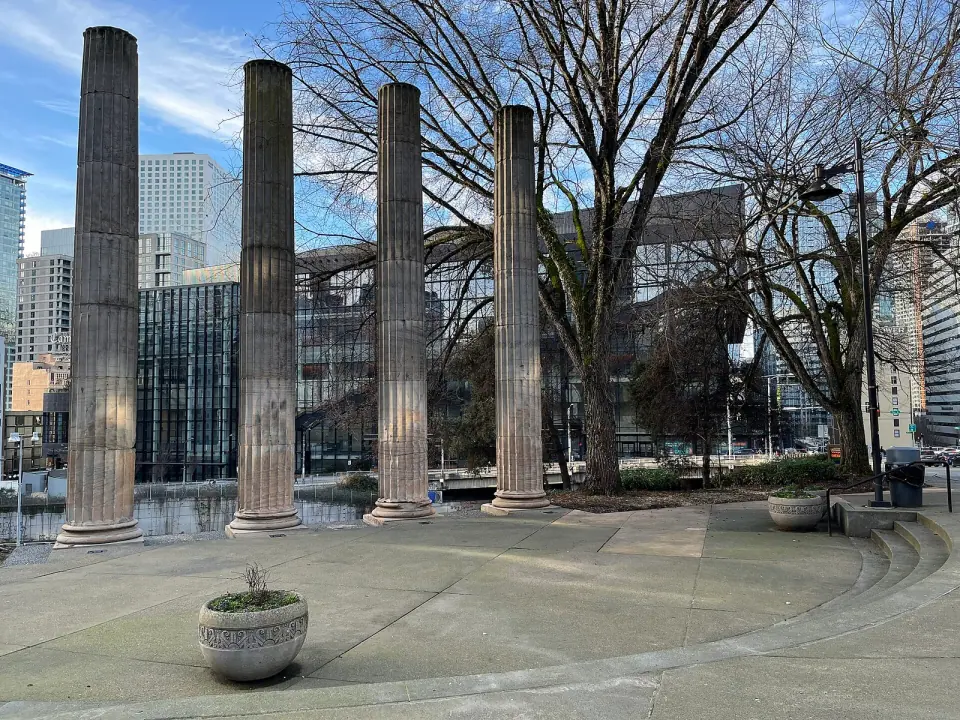
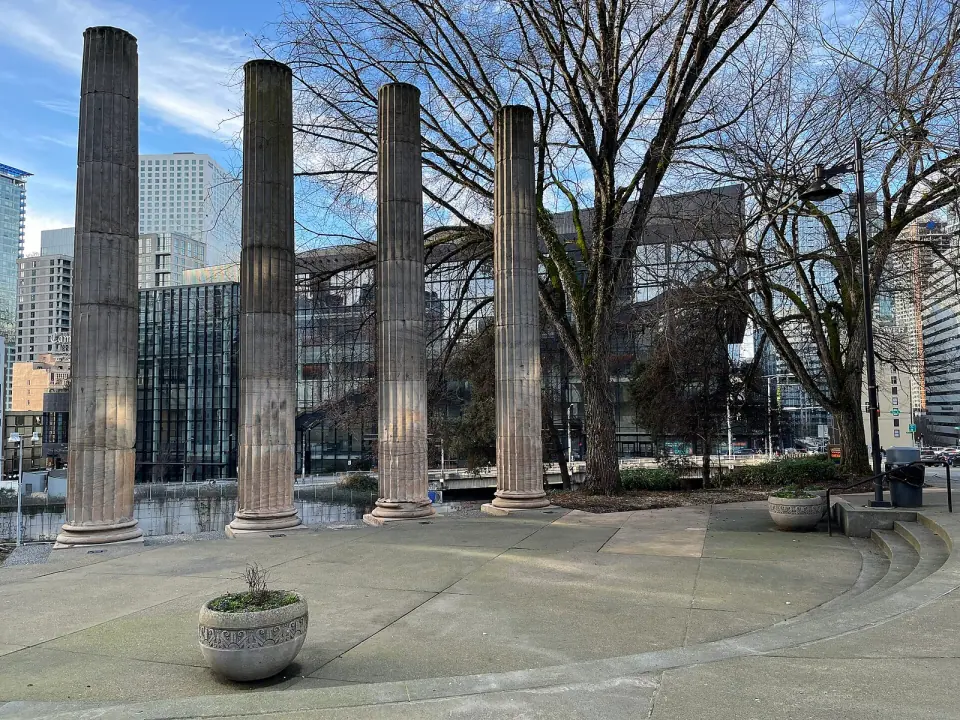
- Plymouth Pillars Park at Boren Avenue and Pike Street is a 0.6-acre triangle built around four columns saved from a church damaged in the 1965 earthquake. You will find an off-leash dog area and a walkway above I-5, and dog owners can learn more in our Plymouth Pillars Park dog park guide.
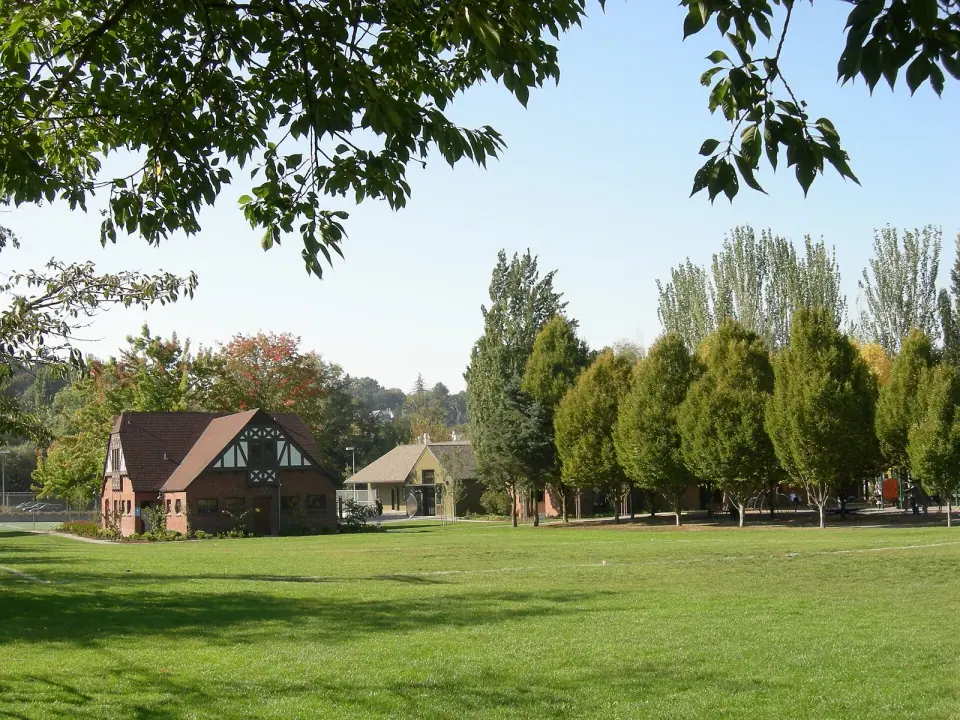
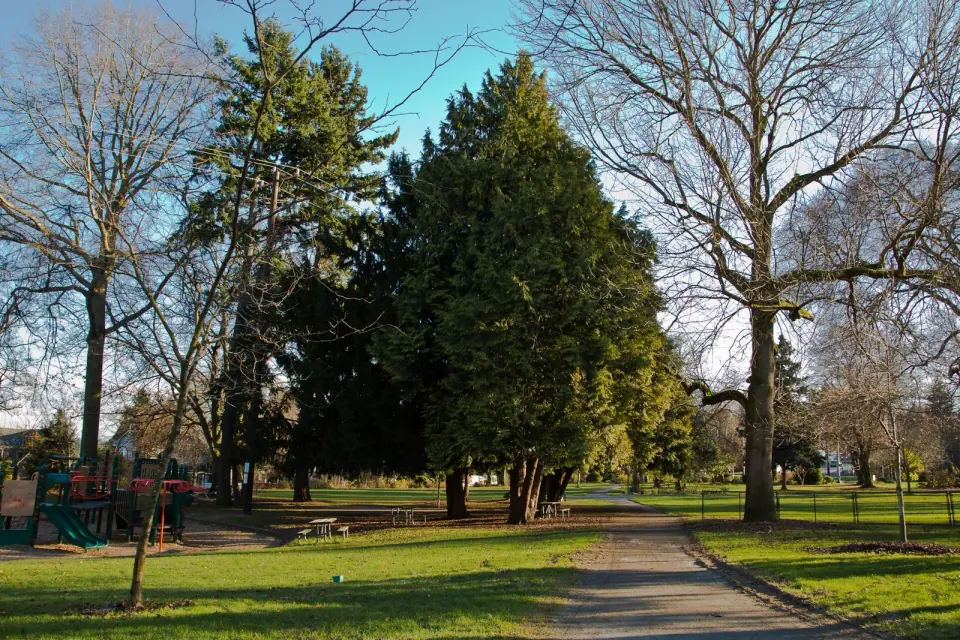
- Interlaken Park spreads across 51.7 acres of wooded hillside and ravine on the northern edge, with a boulevard partly closed to cars. Read our Interlaken Park guide to explore the area.
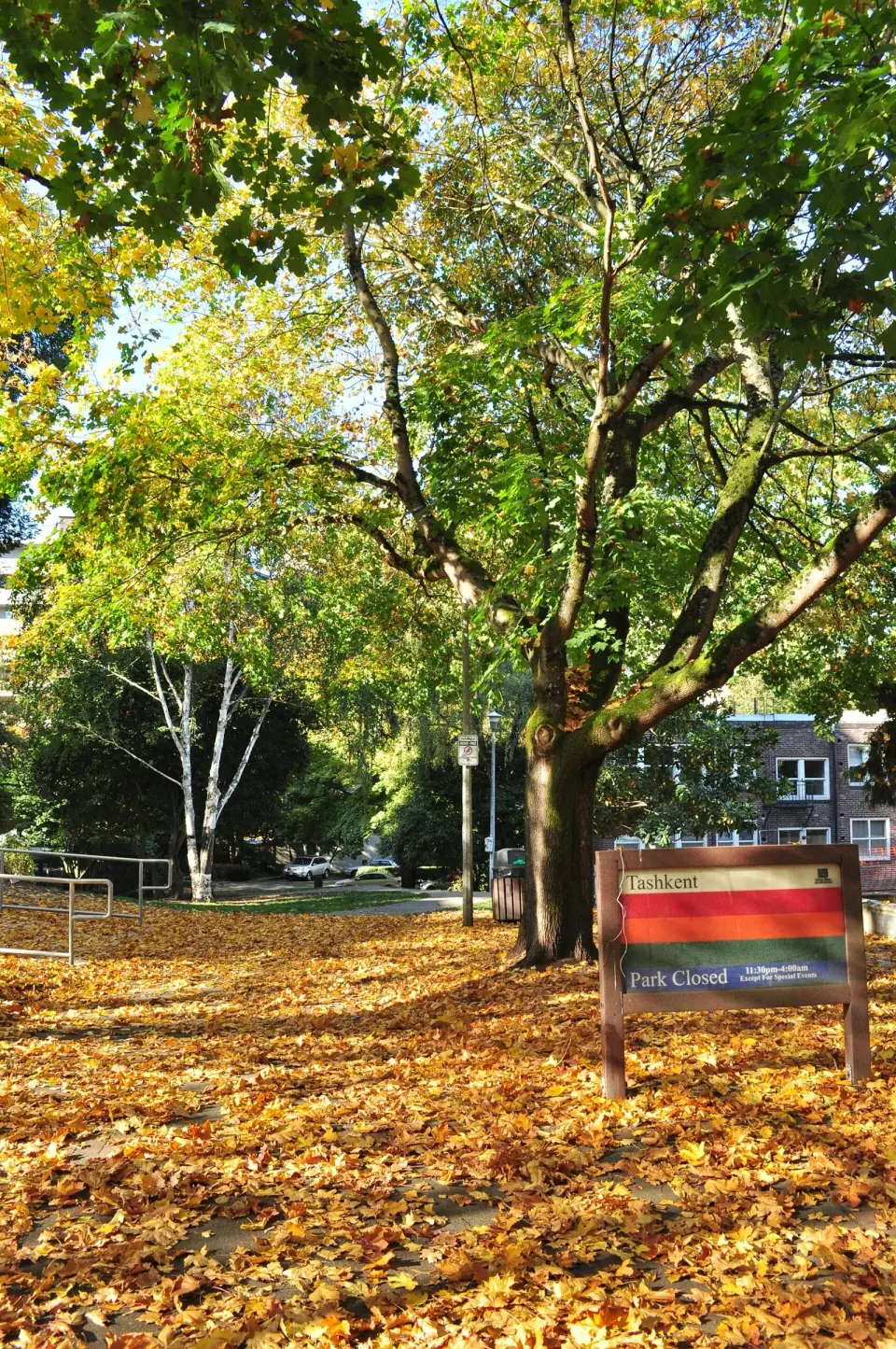
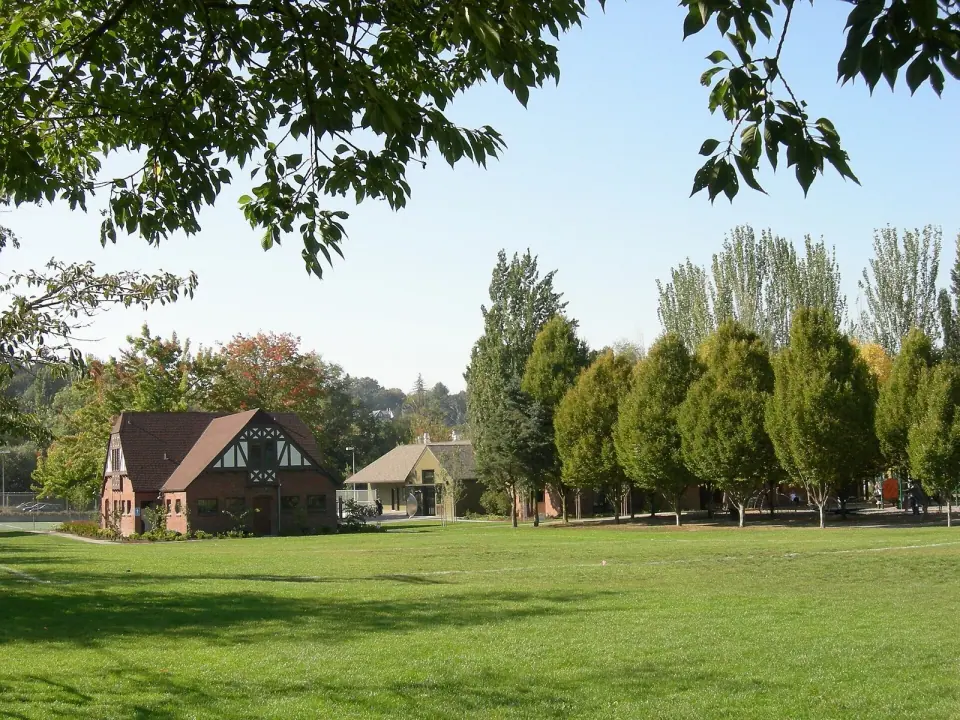
- Tashkent Park, dedicated in 1974 and named for the capital of Uzbekistan, cuts through an apartment block and invites you to linger with shade, a lawn and plenty of seating.
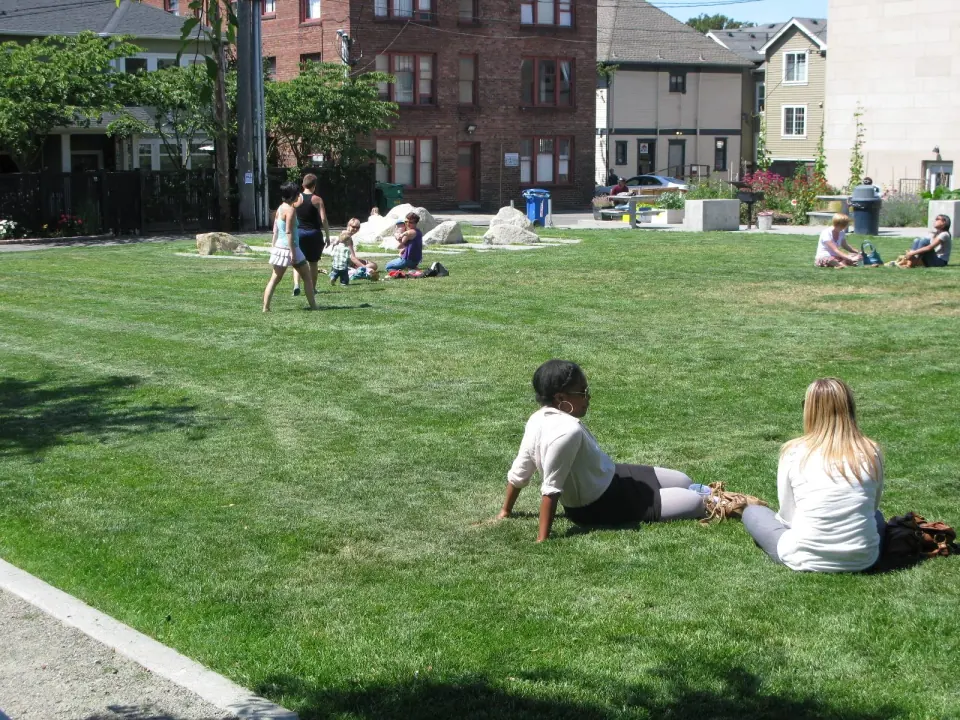
- Seven Hills Park at 16th and Howell uses seven boulders to represent the city's seven hills. It was fenced in September 2025, so check its status first.
A Neighborhood Shaped by History
In the early 1900s, locals called the area Broadway Hill, after its main street. The origin of today's name is debated: developer James A. Moore may have hoped the state capitol would relocate from Olympia, or he may have been honoring the Denver neighborhood where his wife grew up. Until the 1980s, many people also called it Catholic Hill because of its large Catholic population.
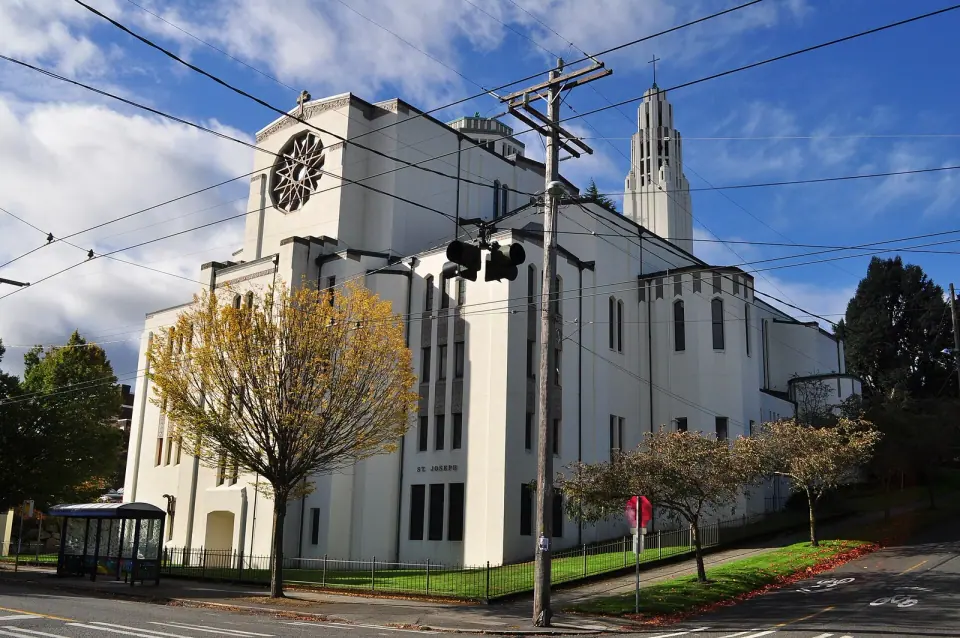
Visit St. Joseph's Church on 18th Avenue East to see that heritage in place. The Jesuit parish worships in a 1930 building that is Seattle landmark number 67.
Mansions and apartment houses
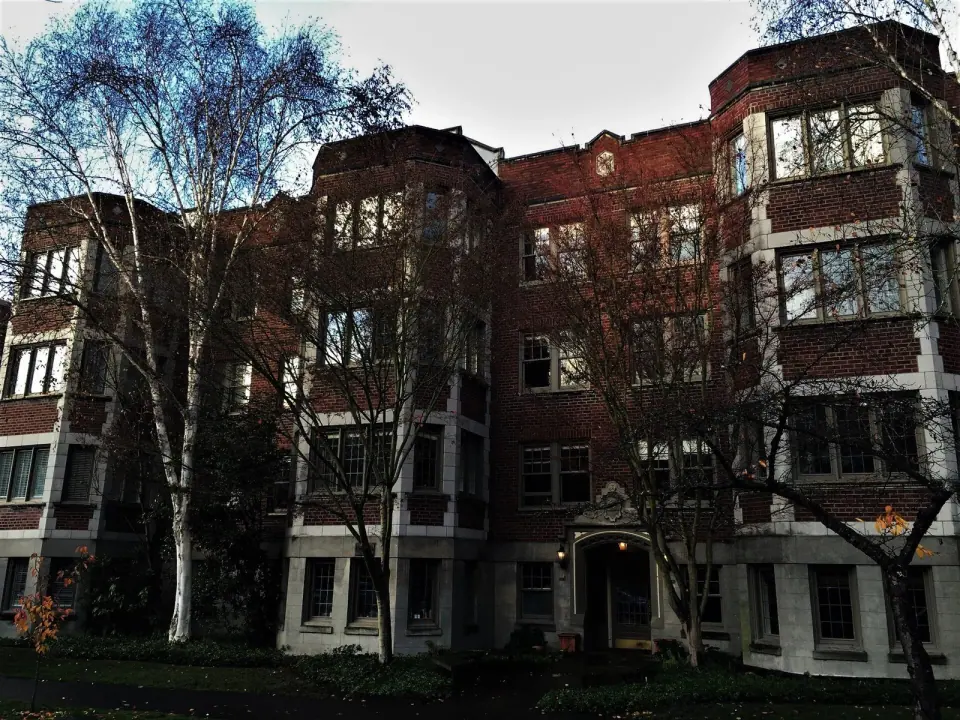
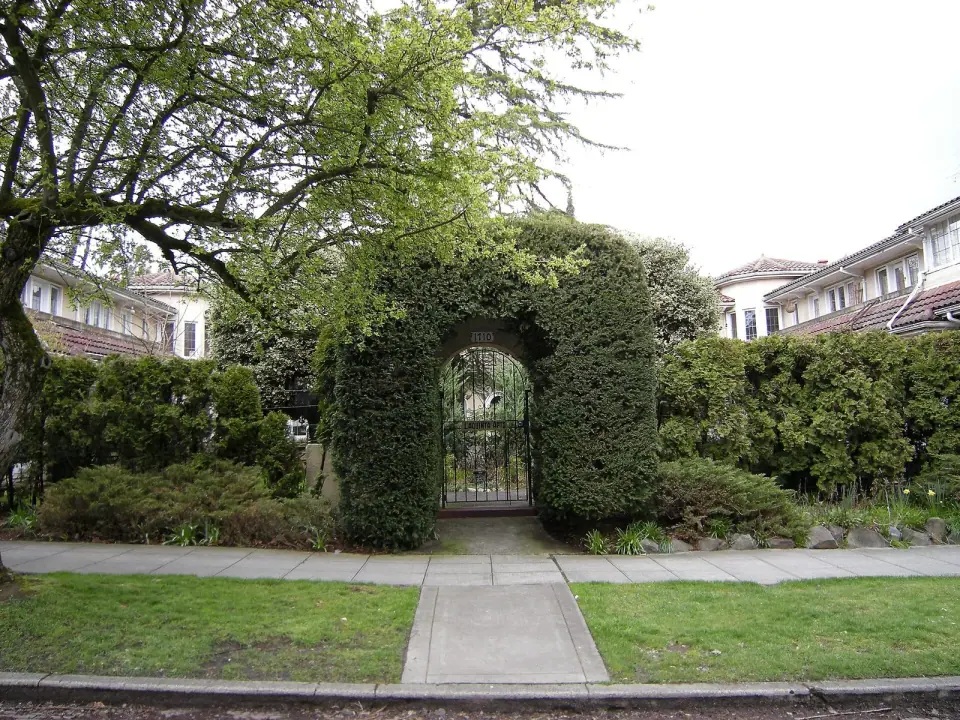
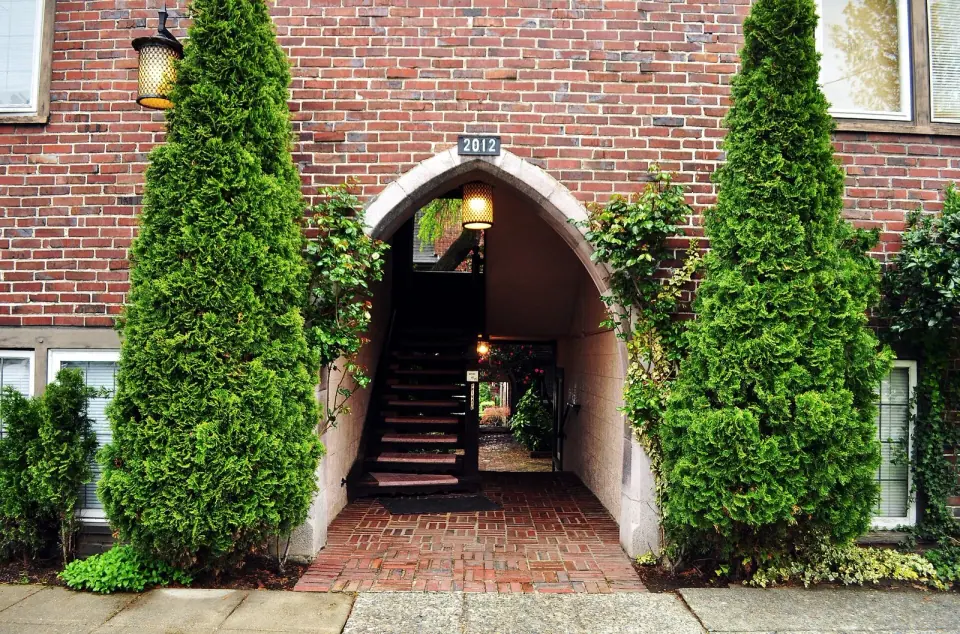
Wander some of Seattle's wealthiest streets here. "Millionaire's Row" runs along 14th Avenue E. south of Volunteer Park, and the Harvard-Belmont Landmark District holds more grand homes. The hill is also known for handsome apartment buildings, including several by Fred Anhalt, and modest studio buildings often stand right next to historic mansions, giving every walk a richly mixed texture.
Seattle's gayborhood
During the 1970s, the center of Seattle's LGBTQ community moved from Pioneer Square, briefly to Renton Hill and then to Capitol Hill, which has remained the city's gayborhood ever since. In 2020, protesters occupied Cal Anderson Park and nearby blocks along Pike and Pine during the George Floyd protests, declaring the area the Capitol Hill Autonomous Zone.