Waterfront Days and Wide Views
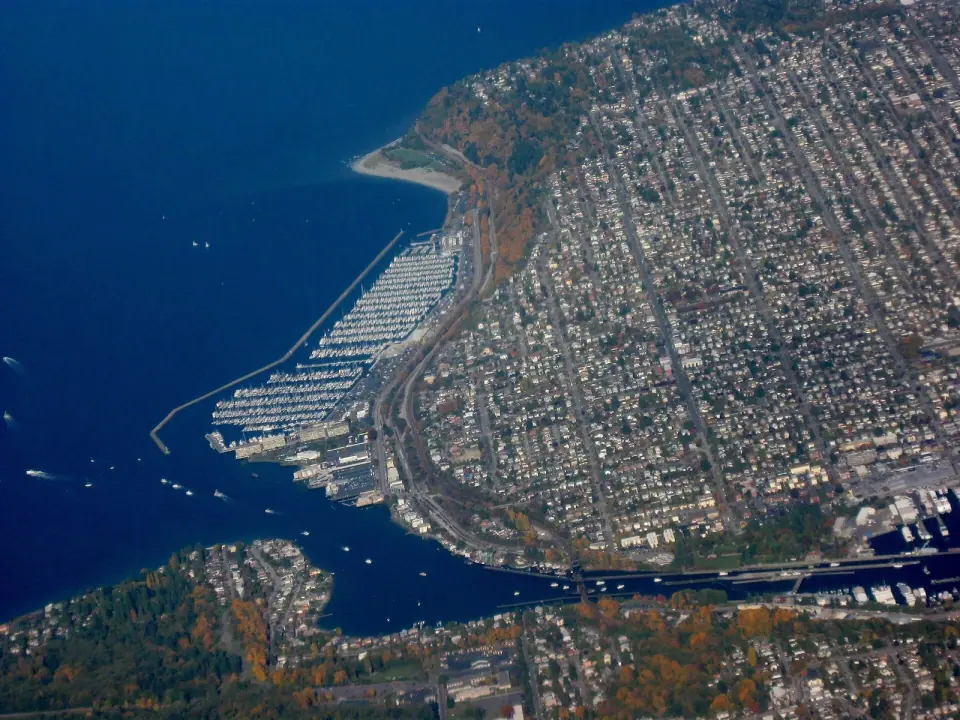
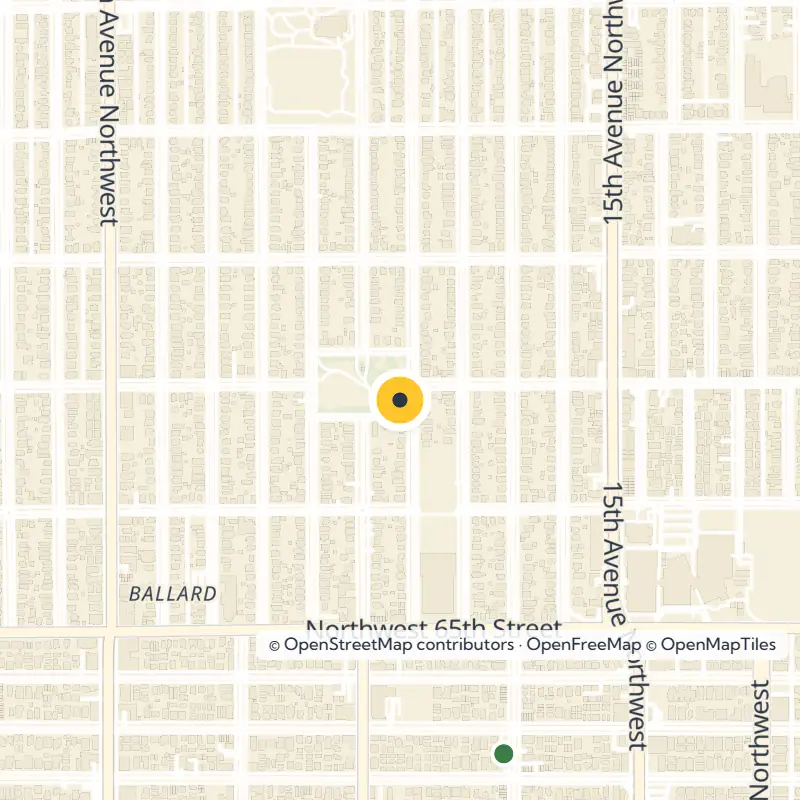
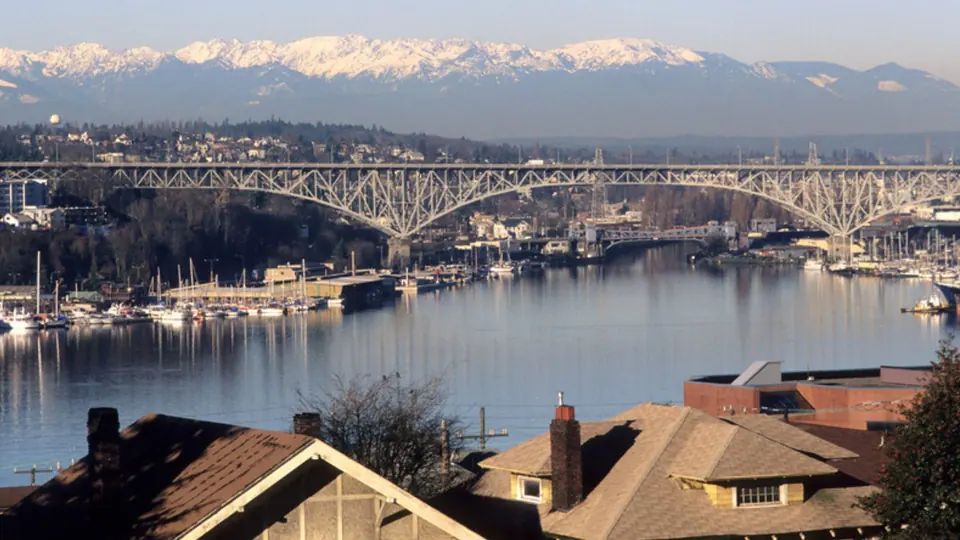
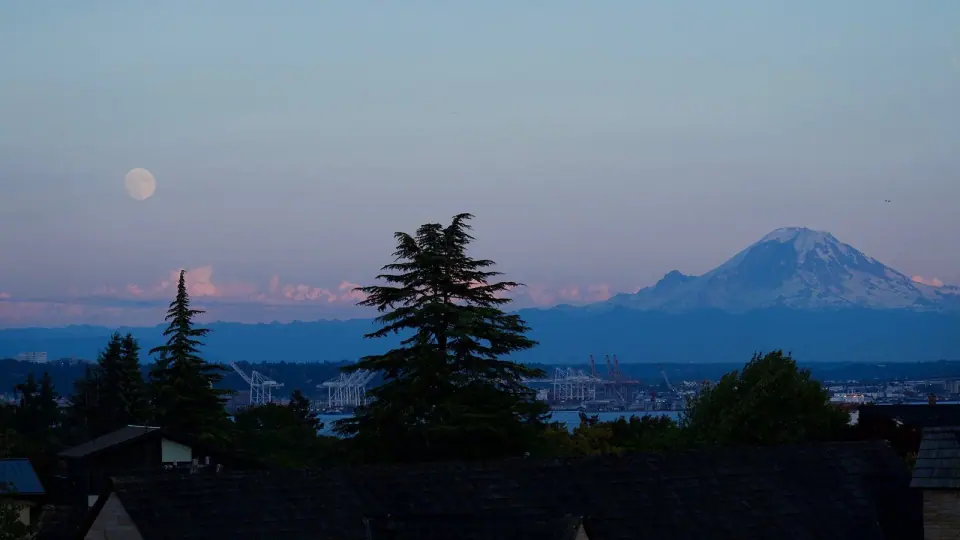
Head west when you want open water, because that edge of Ballard is its biggest draw. The neighborhood gazes straight out over Shilshole Bay, and on clear days the Olympic Mountains fill the horizon. Much of this shoreline is lined by Shilshole Bay Marina, one of the area's recognized landmarks.
Golden Gardens Park
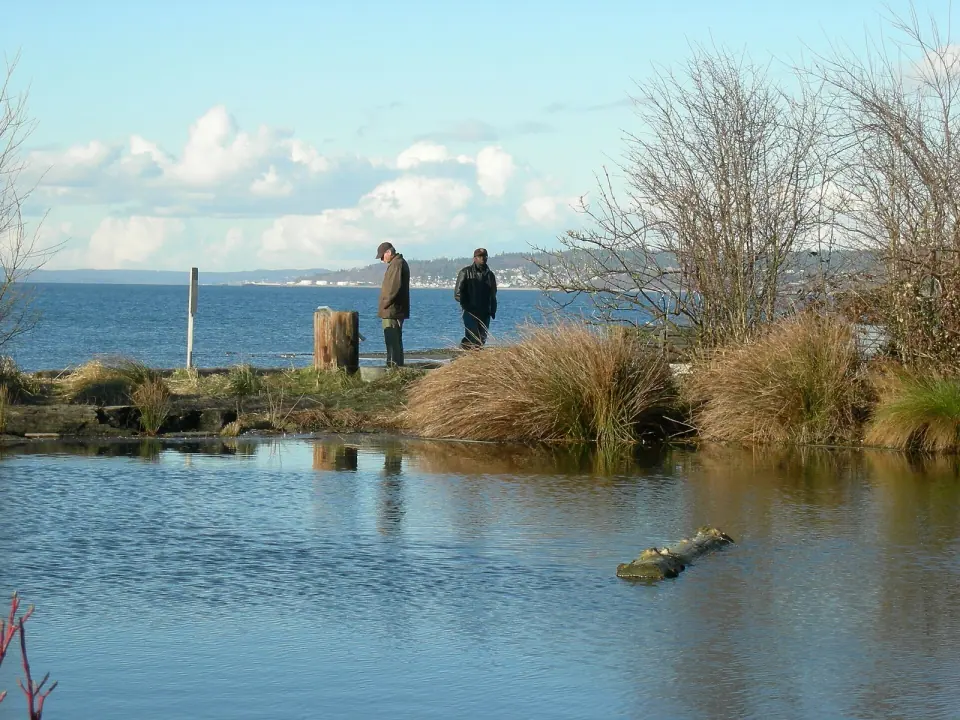
Picture a Ballard beach day and you are probably picturing Golden Gardens Park. Spread out a blanket on the sandy Puget Sound shoreline, then stroll over to the wetland ponds, where plenty of birds gather. The city lists an off-leash dog area here too, which makes the park a favorite with pet owners, and a historic bath house stands near the shore.
Plan to arrive late in the day if you can. The park faces west, so the light over the water and the mountains is often at its finest toward evening.
Sunset Hill Park
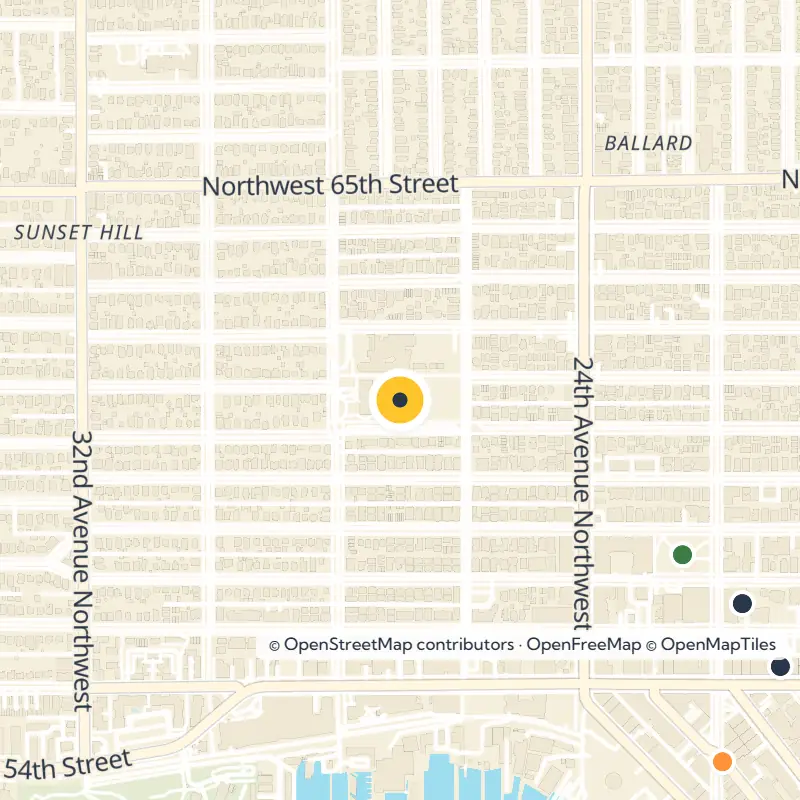
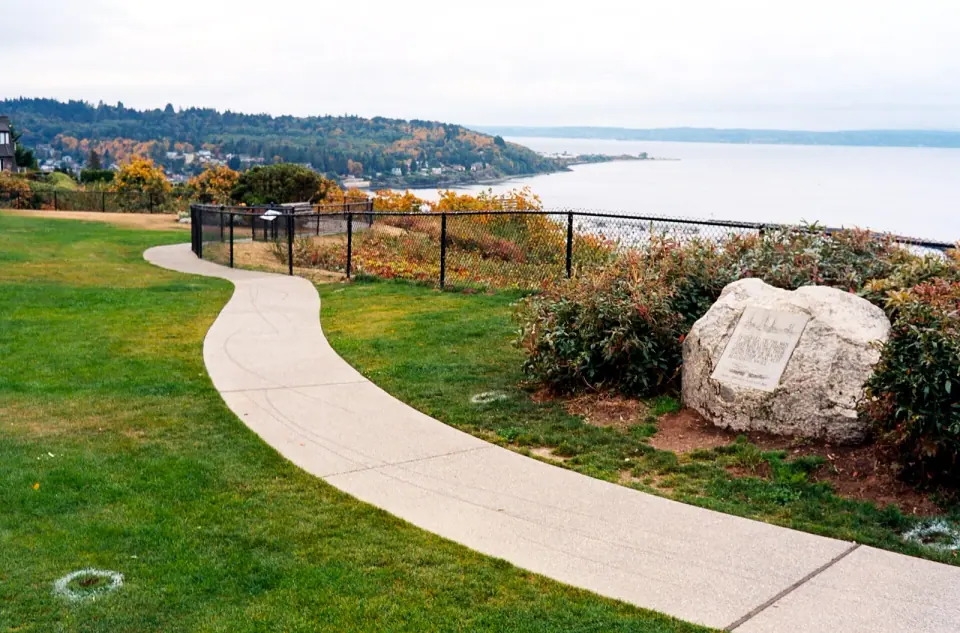
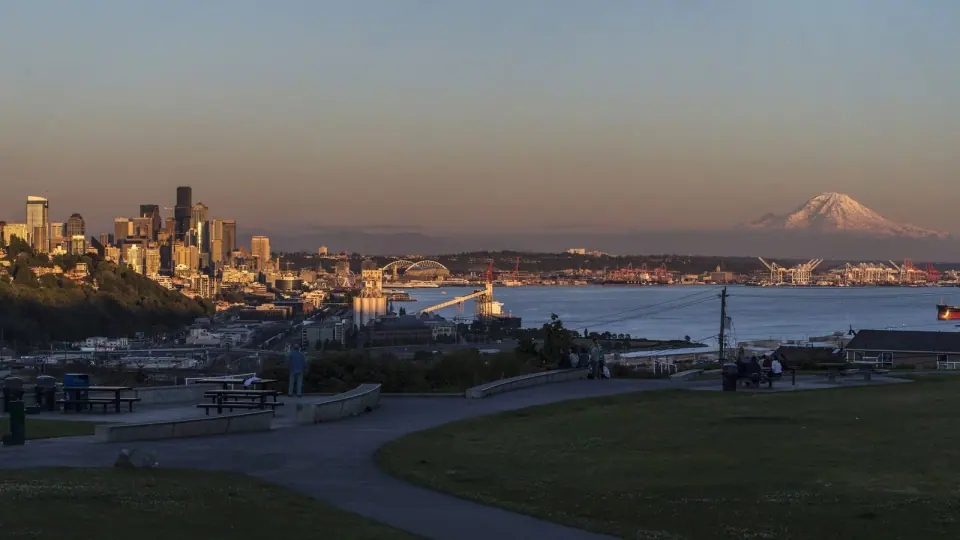
For a calmer outlook, climb the bluff to Sunset Hill Park on 34th Avenue NW. This small viewpoint park looks over both Shilshole and Elliott bays, with the Olympics rising in the distance. Bring a coffee and treat it as a short, peaceful stop rather than a long afternoon.
Sundays at the Ballard Farmers Market
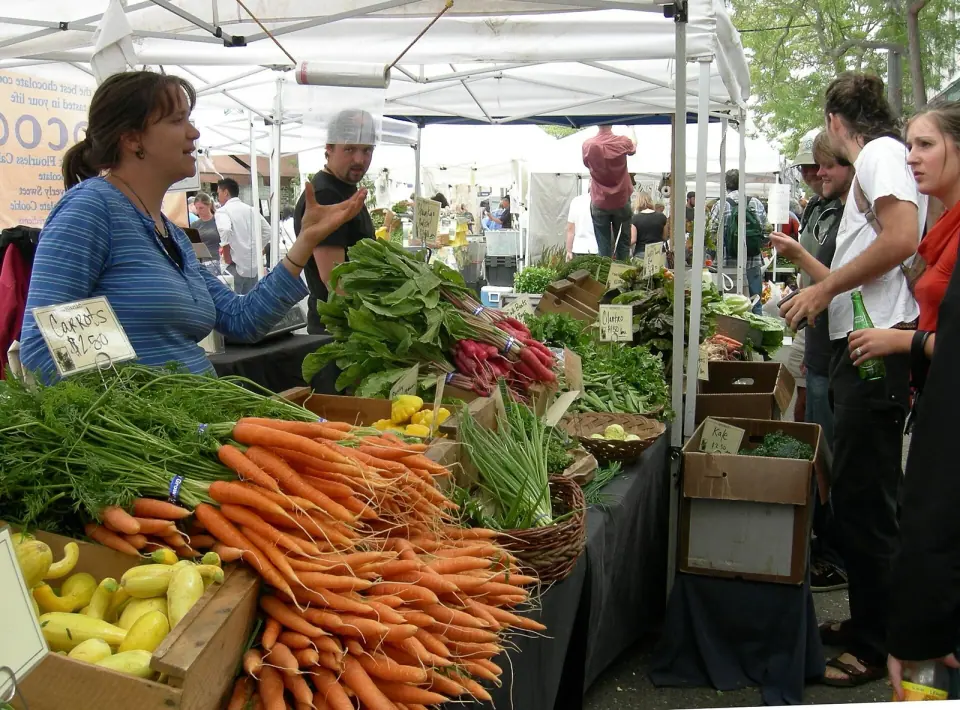
Spend a Sunday morning at the Ballard Farmers Market, the neighborhood's weekly gathering point. It sets up every Sunday all year, generally from 9 am to 2 pm, where 22nd Avenue NW meets Ballard Avenue NW in the heart of the historic center.
Since it runs in every season, the market makes a dependable plan even in the gray months. Hours can change, so check the official market listing before you head out. Arrive on the early side for an easier stroll before the midday crowd builds.
More to Explore Beyond the Beach
Lace up comfortable shoes, because Ballard rewards a full day on foot. Several of its best stops cluster near the old downtown, making it easy to link them together on a walk.
The Locks and the Nordic Museum
Catch the Ballard Locks, formally named for Hiram M. Chittenden, along the Ship Canal at the neighborhood's southern edge; they rank among Ballard's best known landmarks. Then visit the National Nordic Museum, another major landmark and a fitting one for a neighborhood shaped so strongly by Scandinavian settlers. Check each site's official page for current hours and visiting details.
Parks and the Library Near Market Street
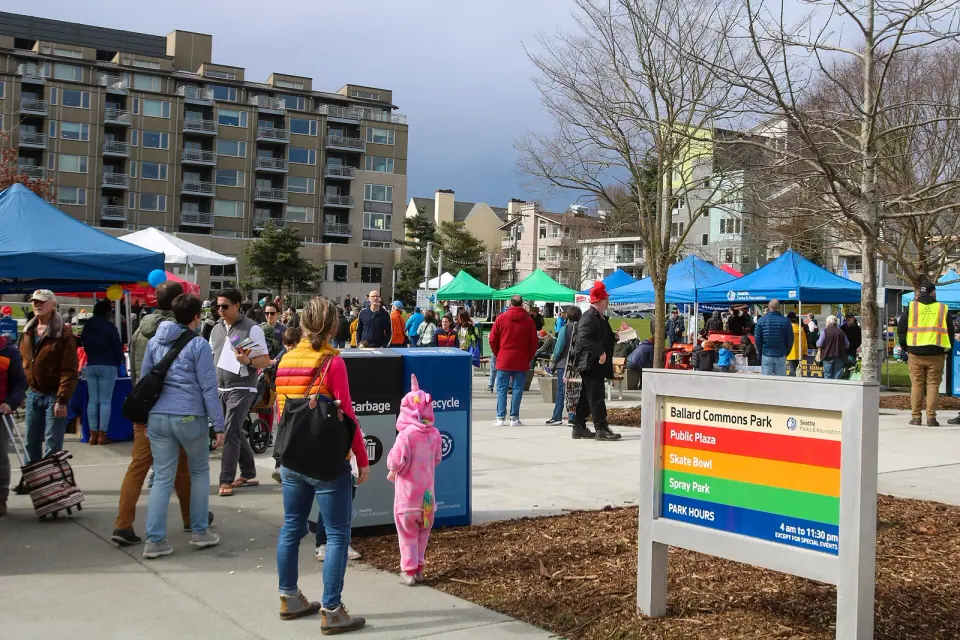
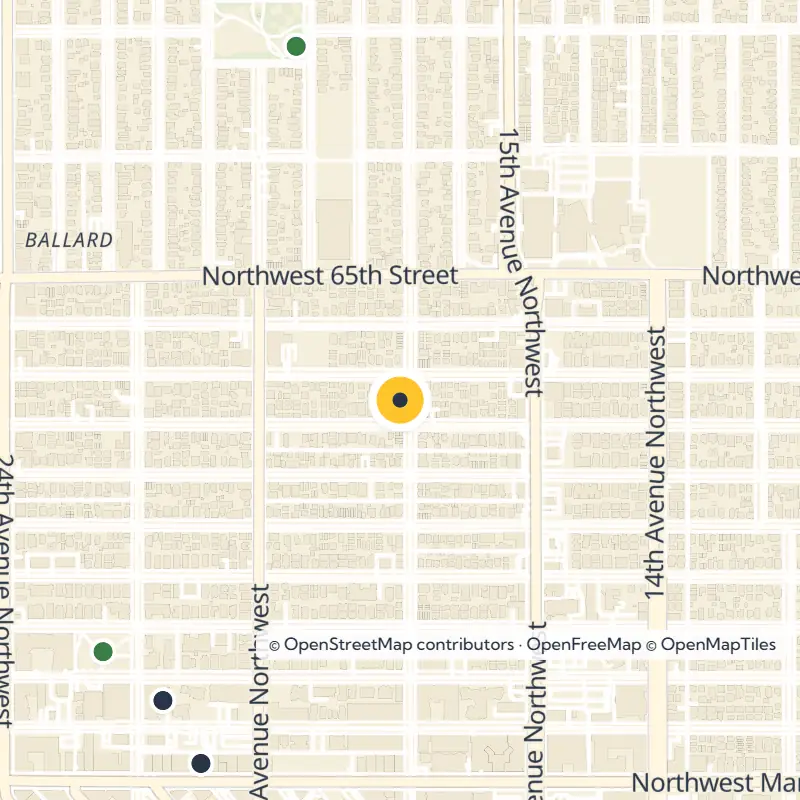
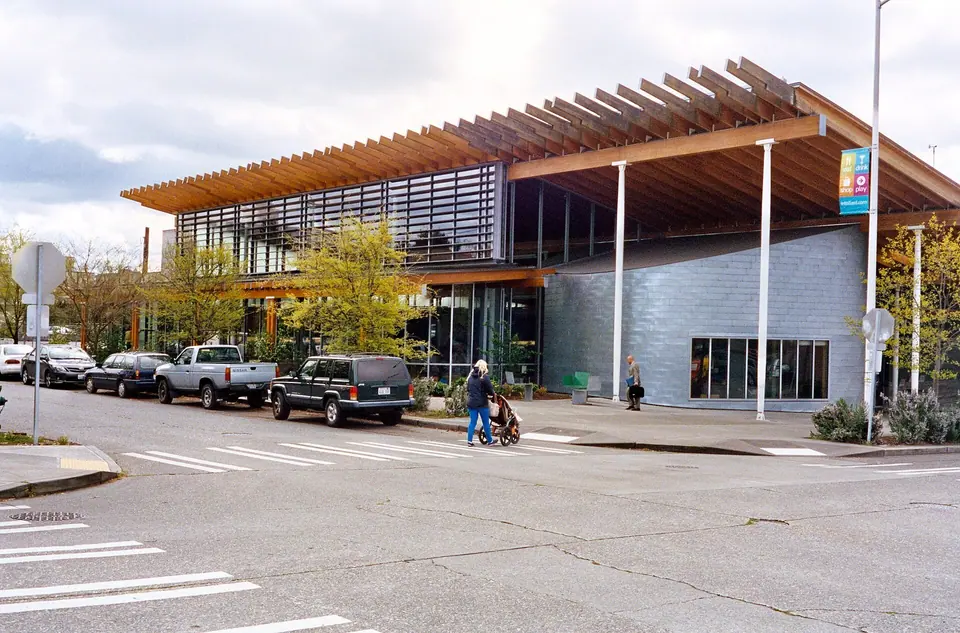
Meet up with friends at Ballard Commons Park, which reopened in March 2023 and works well as a central gathering spot. Just across the way, the Ballard Branch of The Seattle Public Library is handy for a restroom break or a rainy hour indoors. Both sit a short walk from the Sunday market.
Farther north, Salmon Bay Park serves the Loyal Heights area. Smaller spaces such as Ballard Playground, Ballard Corners Park and Thyme Patch Park are tucked among the residential blocks, giving families several places to play within walking distance of one another.
Historic Buildings to Seek Out
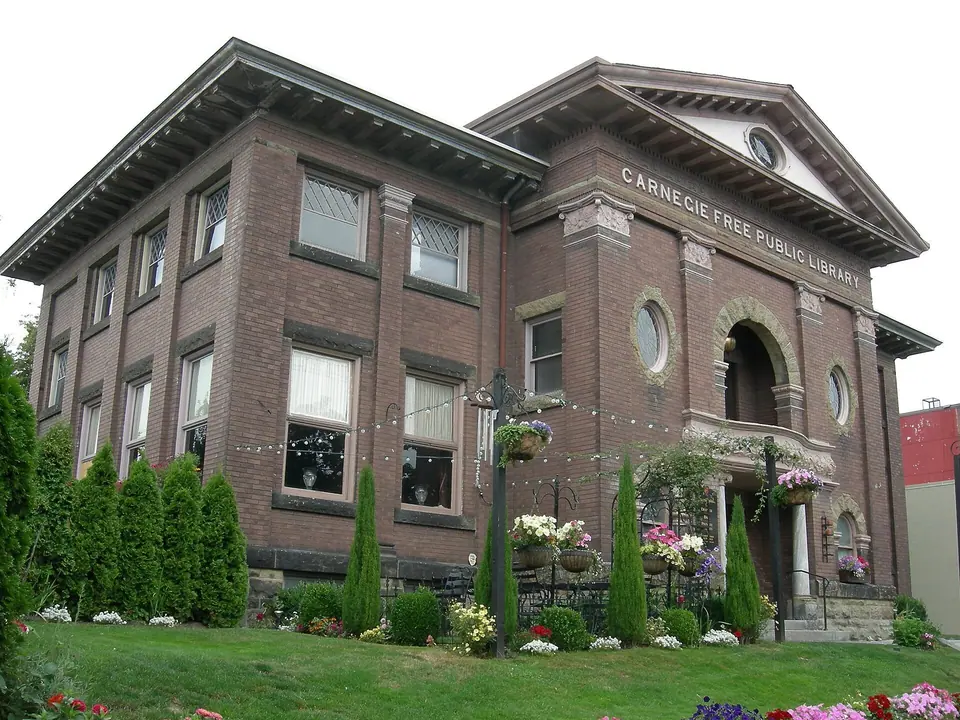
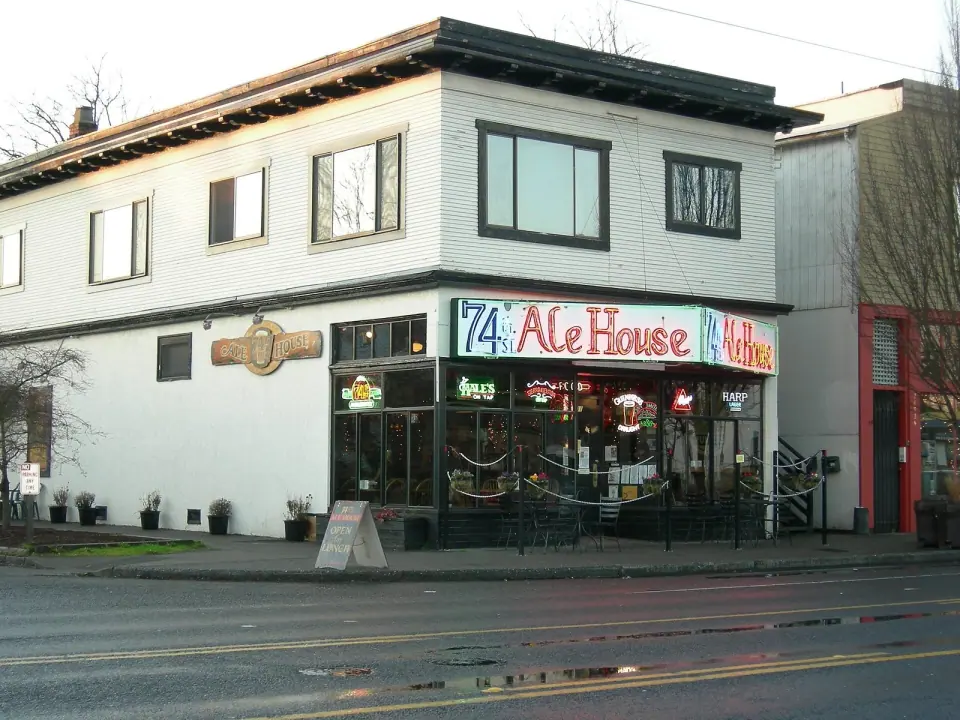
Stop by the Ballard Carnegie Library on NW Market Street, which opened in 1904 and lent books for nearly six decades until 1963. Now an official City of Seattle landmark, the building is home to a pub, a fine example of how Ballard gives its older structures new life.
Keep walking to find more historic sites, including Old Fire Station #18, the Sunset Hill Community Hall and Bergen Place, a small public space whose name nods to Norway. Passing them, you get a feel for the town Ballard was before it joined Seattle.
From Shilshole Village to Shingletown
Long before any city rose here, the Duwamish people lived around Shilshole and Salmon bays, drawn by abundant salmon and clams. A village known as šilšul stood near the water and was later excavated by archaeologists, and its artifacts are now held by the Burke Museum in the University District.
During the nineteenth century, American settlers pushed out the last remaining families. The village's final resident, Hwelchteed, widely called Salmon Bay Charlie, was forced to leave in 1914, and his removal cleared the way for building the locks that draw so many visitors today.
A Coin Toss and a Mill Town
The neighborhood carries the name of Captain William Rankin Ballard. When a development partnership divided its holdings in 1887, nobody wanted the Salmon Bay land, so a coin was flipped. Ballard lost and ended up with the 160 acres his partners had turned down.
That unwanted land proved valuable. A railroad line ended at Salmon Bay, giving local mills a way to ship goods out and bring supplies in, and Western red cedar made excellent shingles. Ballard became known as the Shingle Capital of America, and Scandinavian immigrants arrived in large numbers during this era, leaving a lasting cultural mark.
A City That Joined Seattle
Residents voted to incorporate on November 4, 1889, just before Washington became a state. By 1907 the city had about 17,000 people, second only to Seattle in King County, yet it could not supply safe drinking water or proper sewers.
After years of struggle, voters chose annexation, and Ballard became part of Seattle on May 29, 1907. Many residents were far from thrilled, and that day they hung black crepe on city hall and lowered the flag to half-mast.
Ballard Today
Through much of the twentieth century, shipbuilding, fisheries and canneries kept the local economy humming, and the Ballard Shipbuilding Company even built vessels for the US Navy during World War II. Look for the Ballard Terminal Railroad, a short freight line that still runs about three miles along Salmon Bay.
Since the late 1990s, the neighborhood has seen heavy new construction, as a citywide plan under former Mayor Norm Rice steered dense growth toward Ballard to limit suburban sprawl. Today you can stroll past new apartments, old brick storefronts and a working waterfront, all within a short walk.