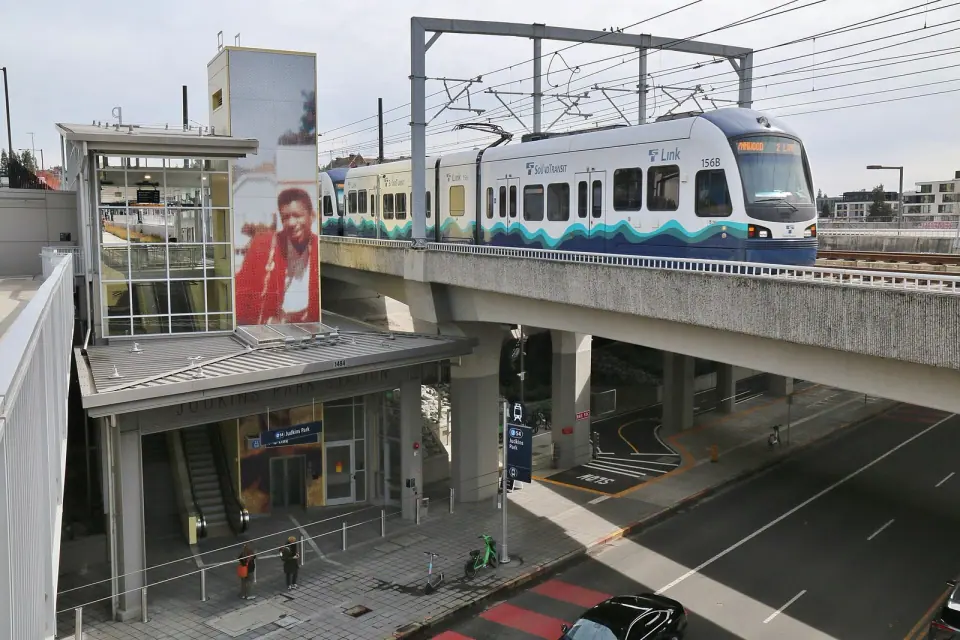
Step off the train and you are in Rainier Vista, once a postwar public housing project. It has been rebuilt as a mixed-income community of more than 900 homes, with some subsidized, some rented and some owner-occupied.
Stroll the Historic Business District
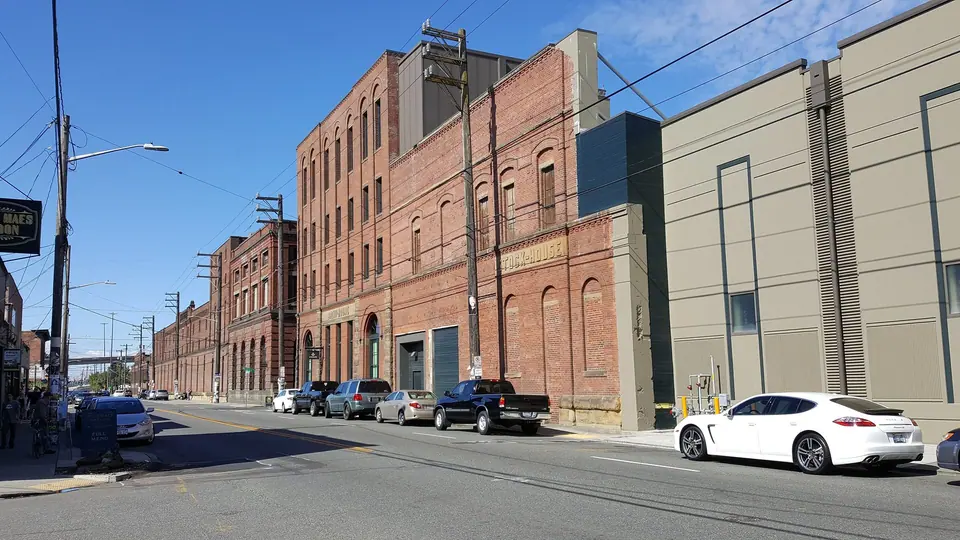
Spend your time on the pedestrian stretch of Rainier Avenue S, the heart of Columbia City in Seattle. These blocks joined the National Register of Historic Places in 1980 as the Columbia City Historic District, and the protected area runs north to S Alaska Street, south to where 39th Ave S meets Rainier Ave S, east to 39th Ave S, and west to the alley just east of 35th Ave S.
Wander those few blocks and you will pass six bars, a grocery store, plenty of restaurants, bakeries and coffee shops, and a range of small retailers. Browse an art gallery, catch a film at the movie theater, or look in on the fitness studios, a clubhouse and several live music venues. Hours vary widely from business to business, so check with each one directly before you go.
Arts spaces around Columbia Park
Look for the two community venues that frame Columbia Park, the Rainier Arts Center and Southside Commons, both home to arts and cultural events. The SouthEast Economic Development organization backs the arts here, including the Rainier Arts Center and Columbia City Gallery, and it also runs affordable housing in the district.
Parks, Gardens and Green Space
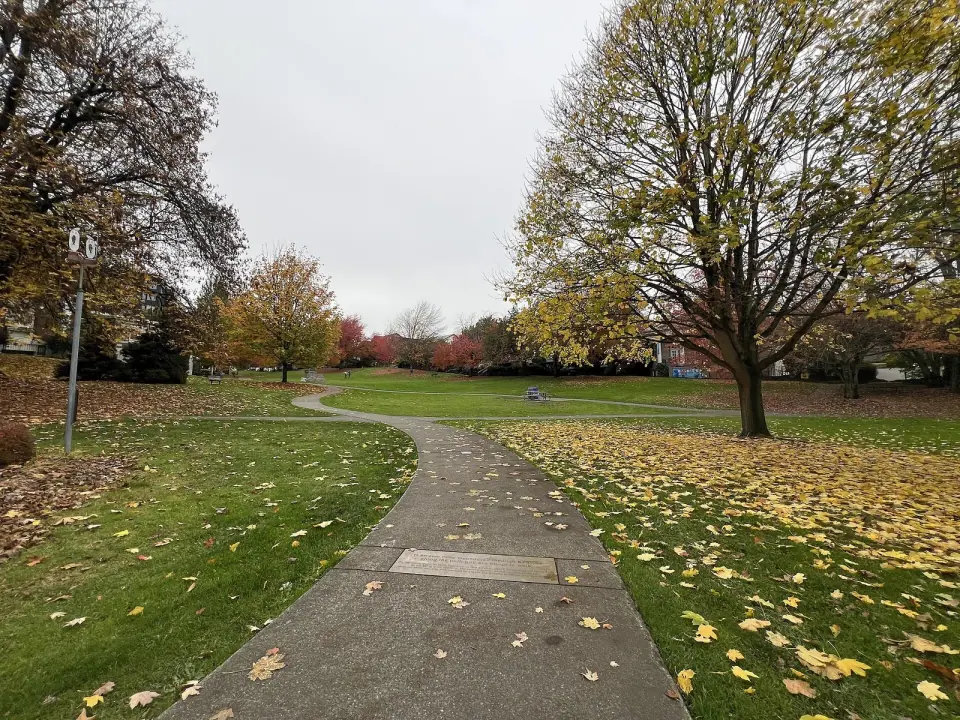
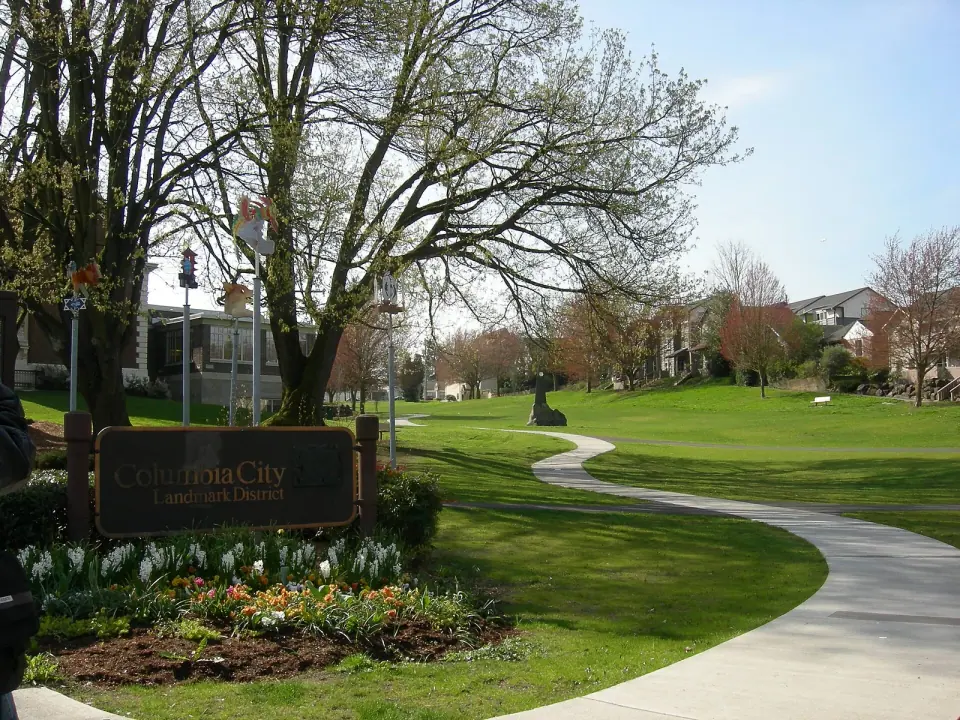
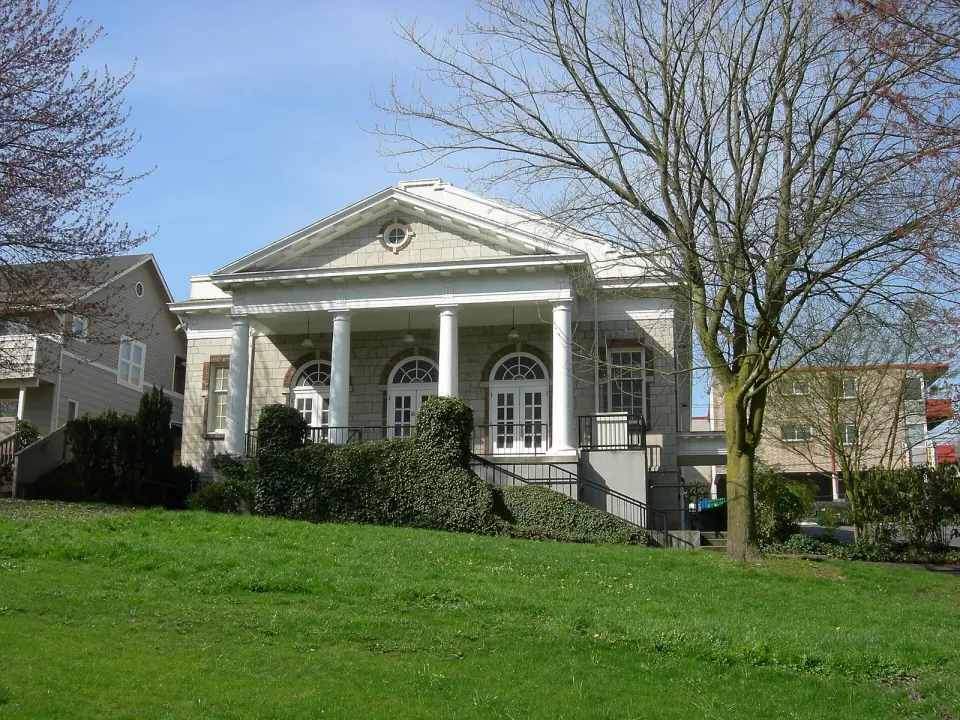
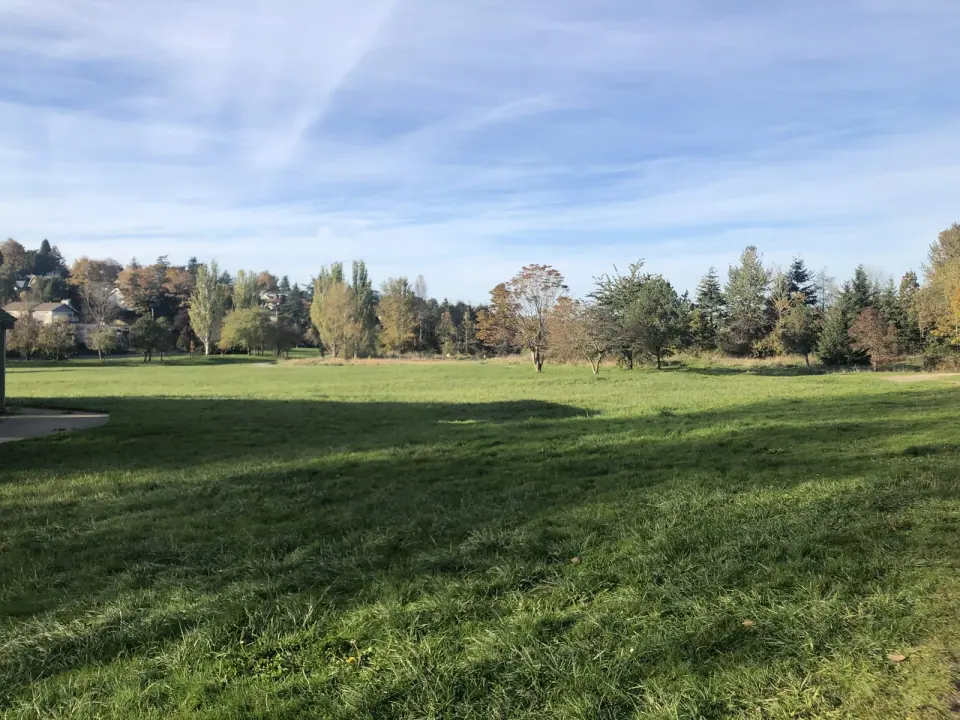
Head to Columbia Park, the neighborhood's historic green, at 4721 Rainier Ave S, right beside the Columbia Branch of the Seattle Public Library. It is small, yet this is where the neighborhood comes together for summer events, festival music and market-day dinners on the grass.
For more room to roam, make for Genesee Park and Playfield, the area's large open space and home to the Rainier Valley Community Center. Its past is unusual: when the Lake Washington Ship Canal was finished in 1917, the lake dropped nine feet and Wetmore Slough dried out, and the old slough served as a dump from 1941 to 1963 before it became the park.
Community gardens and smaller parks
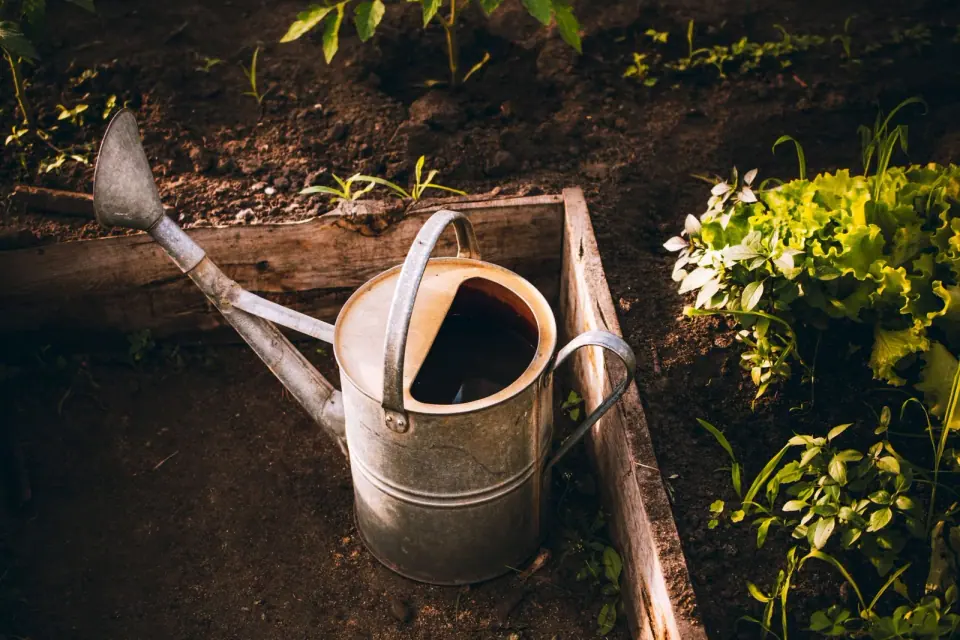
Visit the Hillman City P-Patch community garden at S Lucile St and 46th Ave S, where 43 plots have been part of Seattle's P-Patch program since 1994. The Rainier Vista area holds several more garden sites, and the Brandon Street Orchard adds another growing space nearby.
Other green spots in and around the neighborhood include York Park, Rainier Playfield, Brighton Playfield, Lake People Park (Xacua'bs) and Cheasty Boulevard. Keep Hitt's Hill Park in mind too, since its backstory, told below, is one of the neighborhood's best.
Markets, Music and Summer Festivals
Plan your trip for summer, when the neighborhood is at its liveliest. Shop the Columbia City Farmers Market on Wednesday afternoons at 37th Ave S and S Edmunds St, generally from spring into fall. Recent seasons have run from 3 to 7 pm, though dates and hours can change, so confirm with the market before you build a day around it. Then do as many shoppers do and carry your dinner over to Columbia Park for a picnic.
Annual events worth planning around
- HONK! Fest West: a free-spirited community festival of street bands playing in public spaces, held the first weekend of June.
- Beatwalk: a live music series on the sidewalks and inside businesses of the historic district, on the second Sunday of each month from June through September.
- Rainier Valley Heritage Parade and Summer Streets Party: an August celebration of the wider valley.
Schedules shift from year to year, so check each event's official channels for current dates.
How Columbia City Grew
Picture thick conifer forest, home mainly to Coast Salish peoples, before settlers arrived. In 1891 the Rainier Valley Electric Railway came out from downtown, and its owners bought forty acres, built a lumber mill, cleared land and marketed a new town called Columbia, named for Christopher Columbus. Lots were sold from a canvas tent under a slogan urging buyers to watch the town grow.
As you walk, notice the street names that keep the explorer theme alive: Ferdinand for Magellan, Hudson for Henry Hudson and Americus for Amerigo Vespucci. The town incorporated as Columbia City in January 1893. Residents later petitioned for a vote on joining Seattle, approved annexation 109 to 3 on March 5, 1907, and became part of the city that May.
Fireworks, streetcars and a lost seaport dream
The land now called Hitt's Hill Park was home to the Hitt Fireworks Company from 1905 into the 1960s, a major employer with 200 workers in the 1930s. It supplied displays for world's fairs and Fourth of July shows, made smoke screens and parachute flares in World War II, and created effects for films including Gone with the Wind.
The streetcar line reached Renton in 1905, went bankrupt in 1912 and made its final run just after midnight on January 1, 1937. Hopes of becoming a port faded when the ship canal lowered Lake Washington.
Decline, revival and change
Many African Americans settled here during the wartime industrial boom. From the 1960s, redlining and racism took a toll, and by the 1970s poverty was widespread and many Rainier Avenue storefronts stood empty. Beginning in the late 1980s, artists, professionals of color, gay and lesbian couples and others arrived for older homes at low prices, and by the late 1990s the area was known as one of Seattle's most creative neighborhoods.
Property values have since climbed sharply, bringing restored craftsman bungalows, new condos and townhomes, and real gentrification pressure. Through it all, the neighborhood has stood out for its mix of incomes and ethnicities, with public housing and expensive view homes side by side.
Get to know Bike Works, a local charity where kids earn bikes by learning to fix them, and the Boys and Girls Club, which runs a regional facility here. For a deeper look at the past, turn to the Rainier Valley Historical Society, which documents and interprets the story of the whole district.