Check the boundaries before you book
Officially, downtown runs from Denny Way in the north to S Dearborn Street in the south, and from Interstate 5 west to Elliott Bay. A listing that calls itself "downtown" may actually sit just outside those lines. Cross Denny Way and you reach Lower Queen Anne, Seattle Center and South Lake Union, while Capitol Hill and the Central District lie east of the freeway.
Landing just past the edge can work nicely. Neighborhoods like Queen Anne sit close to Seattle Center. Just pull up a map first so you know how far you will be walking each day.
Find Your Downtown Neighborhood
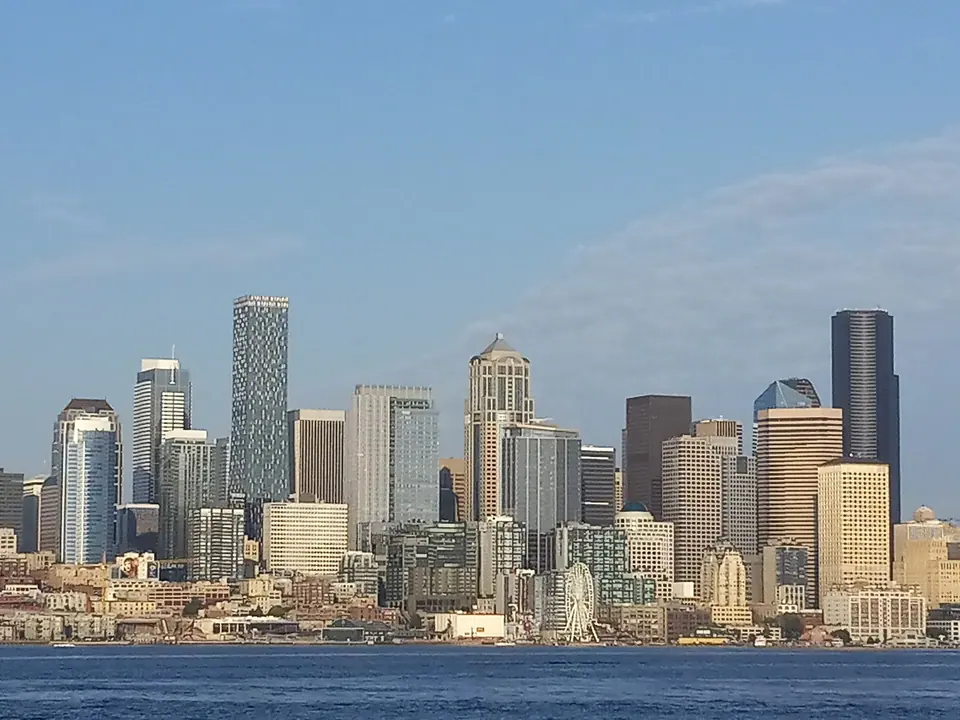
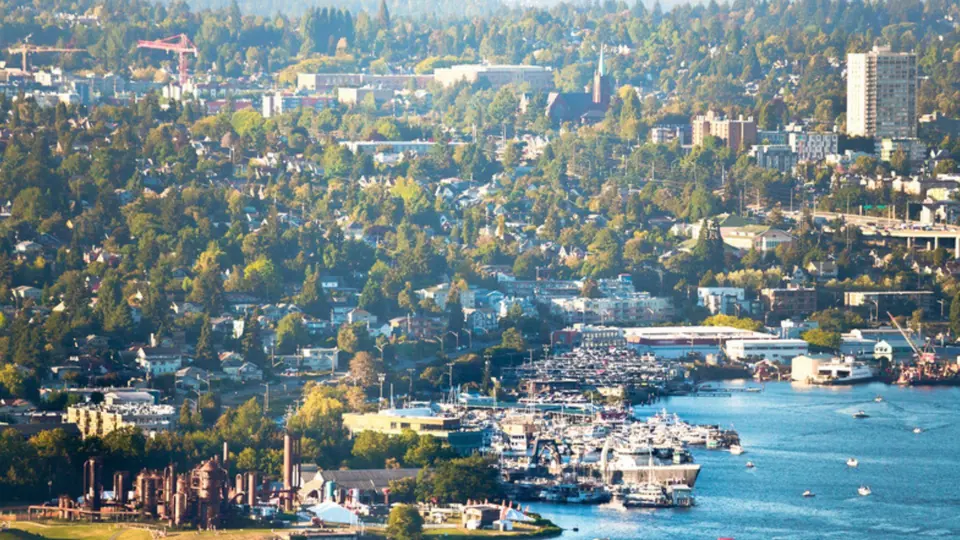
Downtown is really a cluster of smaller districts: Belltown, the Denny Triangle, the retail district, the West Edge, the financial and government districts, Pioneer Square, Chinatown, Japantown, Little Saigon and the western side of First Hill. Each one gives your stay a slightly different feel.
The retail core and West Edge
Head here for the busiest shopping and nightlife in the city, anchored by Westlake Center, Pacific Place and the flagship Nordstrom store. You are also steps from Pike Place Market, the oldest continually operating farmers market in the country and the natural heart of downtown activity.
Belltown and the waterfront
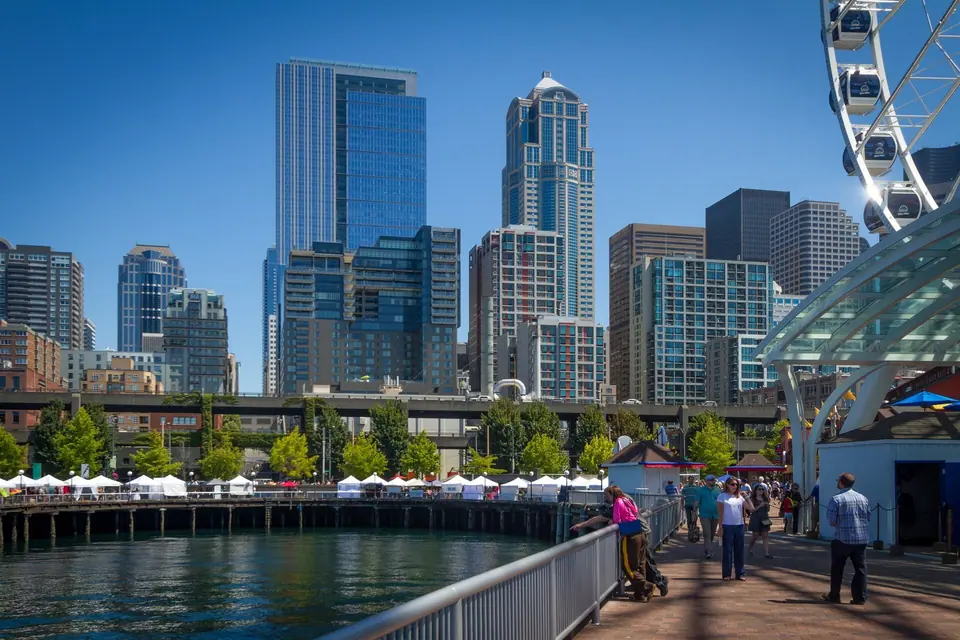
Belltown stretches north along the bay toward Denny Way, and its waterfront is home to the Olympic Sculpture Park, open since January 2007. Choose it if you want water views and an easy stroll to both the market and Seattle Center.
Pioneer Square and the International District
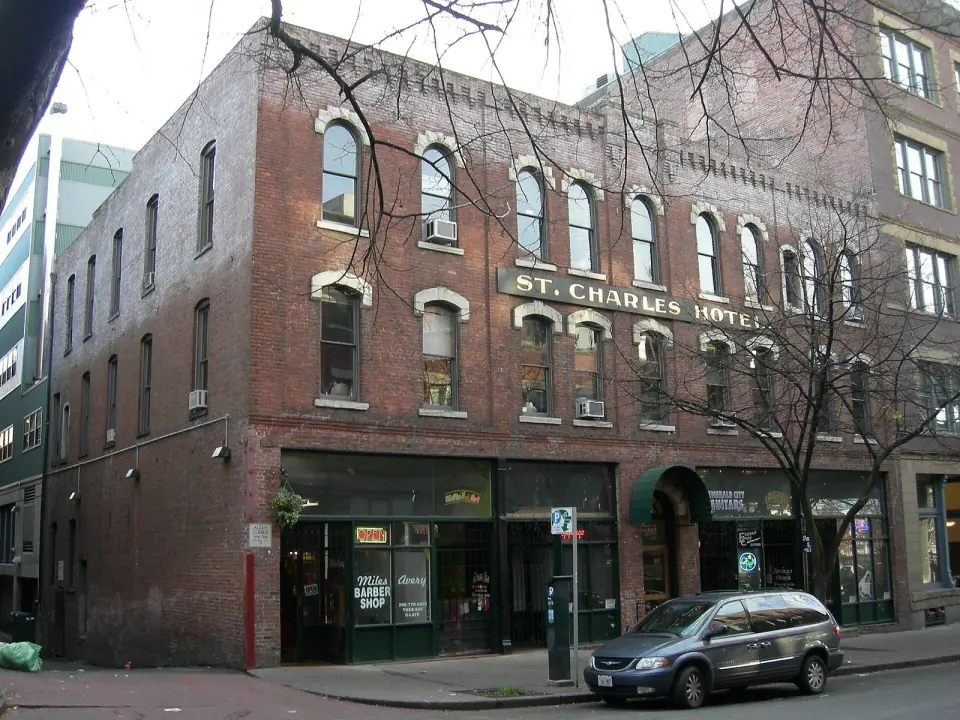
Stay where Seattle began, near today's Pioneer Square, where settlers landed in 1852. Look up at the historic Smith Tower, which once held the title of tallest building west of the Mississippi. Chinatown, Japantown and Little Saigon are close by, and so are the stadiums.
The Denny Triangle and financial district
These are downtown's office-heavy districts. The Denny Triangle has added tens of thousands of jobs since 2010, and the financial district is home to the 76-floor Columbia Center. Evenings here are quieter than in the retail core, yet everything else stays within quick reach.
Getting Around Without a Car
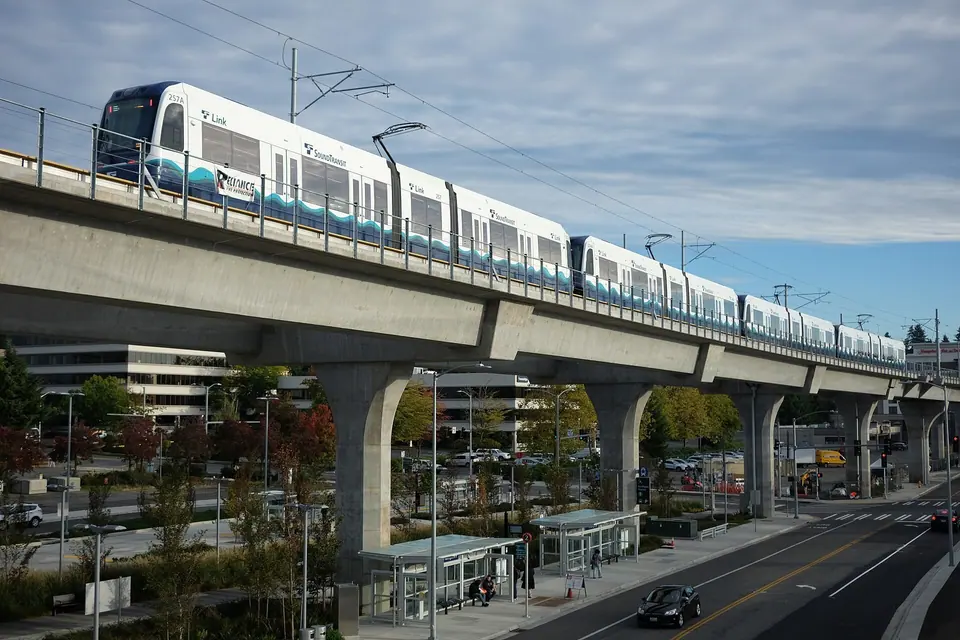
Downtown is the hub of the regional transit network. Catch Link light rail trains through the Downtown Seattle Transit Tunnel between Westlake and the Chinatown-International District, or hop the Seattle Center Monorail from Westlake Center straight to Seattle Center.
Many bus lines cross downtown too, including suburban routes run by Sound Transit Express and Community Transit. If you are returning after a while, note that the old Ride Free Area, where Metro buses downtown cost nothing, no longer exists. Check with the transit agencies for current fares before you ride.
What You Can Walk to From Your Room
Much of the value of staying central lies in how much sits within a short stroll, and the performing arts are a strong draw.
- Benaroya Hall is home to the Seattle Symphony and is known for its acoustics.
- The 5th Avenue Theatre stages musicals, with good sight lines throughout.
- The Triple Door pairs dinner with shows such as burlesque.
- The Seattle Central Library, designed by Rem Koolhaas, is a landmark worth seeing in its own right.
- The Seattle Art Museum keeps its main building downtown, with a facade by Robert Venturi.
When you want some breathing room, wander Westlake Park, Freeway Park or Victor Steinbrueck Park, or head to the sculpture park in Belltown. Along the way, watch for the four street clocks that remain downtown, survivors of dozens that once advertised local businesses.
Eating well on a budget
You do not need a big restaurant bill every night. Grab-and-go food is easy to find around the market, so pick up the mac and cheese at Beecher's Handmade Cheese or the lentil soup at Turkish Delight. Coffee is everywhere, and Monorail Espresso has a devoted following and several downtown locations.
For souvenirs with a local story, browse Eighth Generation, owned by the Snoqualmie Tribe, for Native-designed goods such as wool blankets. The Handmade Showroom in Pacific Place gathers Seattle-made gifts in one spot.
Booking Tips for a Busy Downtown
Plenty of travelers share your plan. Nearly 10 million domestic visitors came in 2024, and downtown hotels sold more than 4 million room nights that year, the most since 2019. With demand that strong, booking early is a smart way to keep your options open.
Match your base to your plans, too: pick Belltown or the retail core for the market and waterfront, and Pioneer Square for ballgames and history. Rates and policies can change, so always confirm them directly with any property.