How It Grew to Seven Stages
Humble beginnings
The party started small, launched by Jen Gapay in 1997 as a modest one day gathering with a single stage, five bands, a couple of DJs and free entry. Gapay ran it through 2000, when David Meinert and Marcus Charles took the reins.
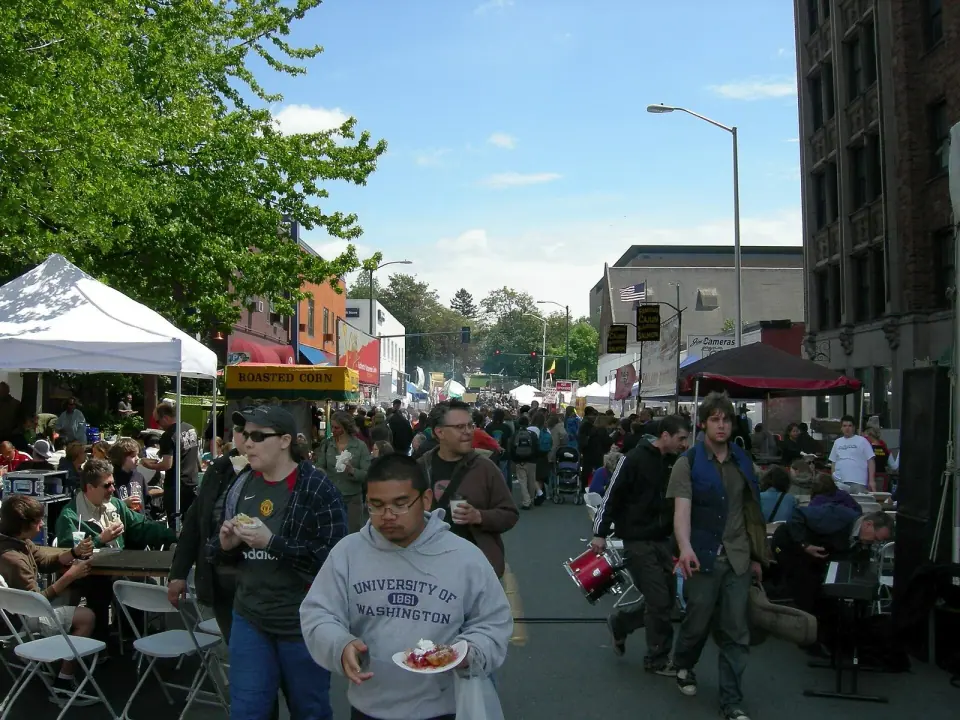
The new producers added a second stage, then a second day in 2001, and began promoting the party as a true event. They landed a sponsorship from The Stranger and started charging admission. That two day edition brought more than 20 bands and around 3,000 people to the street.
Bigger crowds, local spotlight
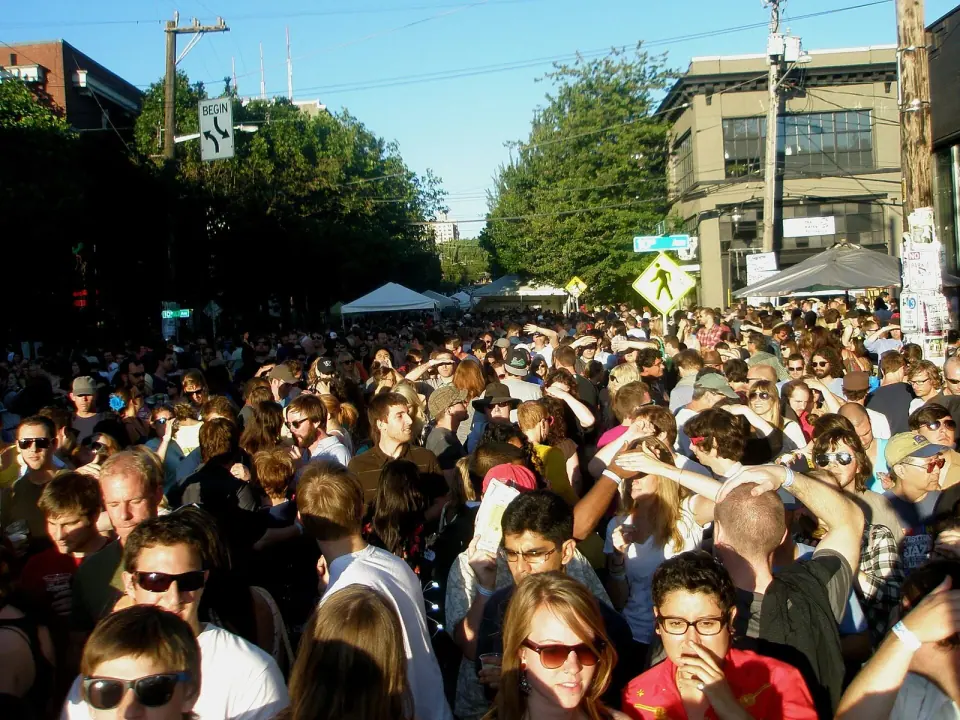
The city's special events office first allowed a third day on a trial basis, and the festival has stretched across three days since 2010, when an estimated 30,000 people turned out. In 2011, talent buyer Jason Lajeunesse took ownership through his local company, Daydream State.
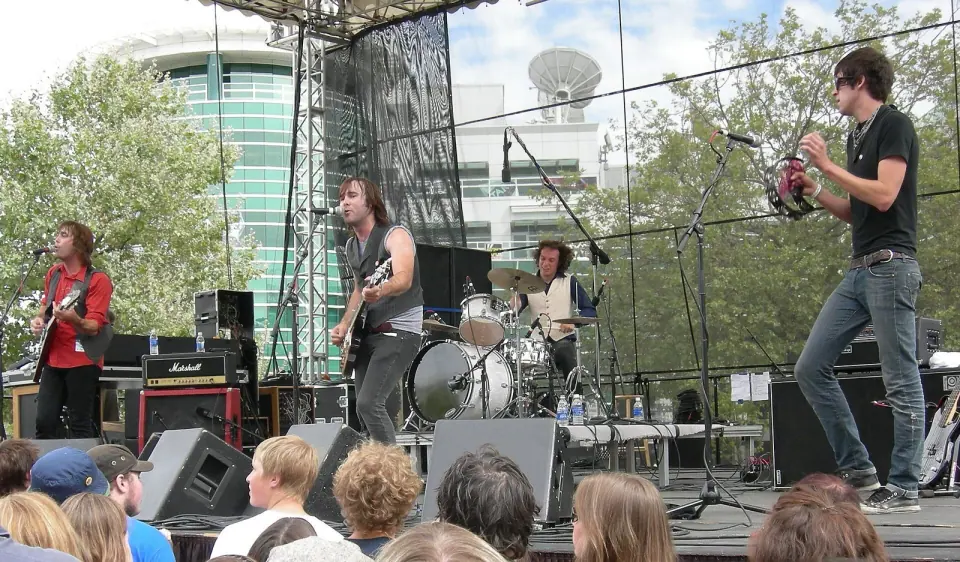
Under Lajeunesse, the festival keeps booking headliners while reserving roughly 65 to 70 percent of the lineup for local artists. That means you can catch smaller Seattle bands playing to crowds they would rarely reach otherwise. At its largest, the event has showcased more than 120 acts across seven stages.
A pause, then a fresh start
COVID-19 social distancing rules kept the festival from happening in 2020 or 2021. Once it returned, its profile kept rising. The 2025 edition was trimmed to two days and limited to guests 21 and over.
Tickets, Passes and the 21+ Rule
Head to the festival's own website for official tickets, and use it to check current dates, the lineup and availability. Every ticket type currently listed there is marked 21 and over, so plan accordingly if anyone in your group is younger.
Choosing your pass
The festival now advertises all inclusive pricing, so fees are already folded into the price you see. At the time of writing, passes were posted at these levels, which can change:
- Single day: general admission for Friday, Saturday or Sunday at $159.65, or VIP at $210.47.
- Two day: any two days of the weekend for $232.56 general admission, or $320.95 VIP.
- Three day: the full weekend for $312.11 general admission, or $461.28 VIP.
GovX members have a separate ticket option too. Check the official site before you buy, since prices and offerings shift from year to year.
Why go VIP
With VIP, you get your own check-in line and entry to two VIP lounges stocked with private bars, restrooms and seating. Phone charging stations and snacks round out the package, a welcome comfort on a long, hot festival day.
How prices have climbed
The cost of getting in has risen steadily as the festival has grown. Admission was $8 in 2001, a single day ran $23 and a three day pass $60 by 2010, and in 2019 a single day cost $70 while three day passes started at $160.
Free Fun Beyond the Stages
Music is the main draw, but the block party has also spread free programming into Cal Anderson Park. Past years have brought yoga sessions and a skate competition. Check the official schedule each year to see which free events are on the calendar.
The festival has a charitable side as well. In 2013, ticket buyers could donate to the 12th Avenue Arts project, with matches up to $5,000. In 2019, the same matching program returned for Jubilee Women's Center, The Vera Project, Artists for Progress and Lifelong.
Crowds, Noise and the Neighbors
A festival this size in a dense neighborhood brings real friction. Many businesses inside the festival boundaries report lower sales during the weekend, and in a 2019 Capitol Hill special events assessment, 39 percent of surveyed businesses said the event hurt their business despite the extra foot traffic.
Shop owners have also raised concerns about vandalism, litter, parking and traffic, and some have dealt with people cutting through their property to sneak in. Nearby residents often complain that late night noise keeps them awake.
Crowd safety has become a bigger topic as attendance grows, with Chappell Roan's 2024 set the best known example of a crowd that raised alarms. Temporary fencing has also drawn criticism for blocking sightlines to local storefronts and adding to safety worries.
Plan Your Festival Weekend
Tips before you go
- Bring ID: recent editions are strictly 21 and over.
- Skip the car: parking and traffic are a known headache around Pike and Pine during the festival.
- Plan for crowds: popular sets fill quickly, so arrive early for the acts you most want to see.
- Support the neighborhood: local businesses inside and around the fences often see a dip, so spending your money there helps.
Quieter breaks nearby
When you need a pause from the stages, Capitol Hill has plenty of calmer spots. Stroll a short way north to Volunteer Park for Olmsted-designed grounds, a 1906 water tower and city views. Inside the park, step into the Volunteer Park Conservatory, a 1912 Victorian glasshouse with five display houses.
Closer to the festival's Pike Street edge, Plymouth Pillars Park displays four church columns saved after the 1965 earthquake. On festival Sunday, browse the Capitol Hill Farmers Market near Broadway and Denny, a block from Cal Anderson Park. For more ideas, explore our guide to Seattle neighborhoods.