Reading the Street Grid
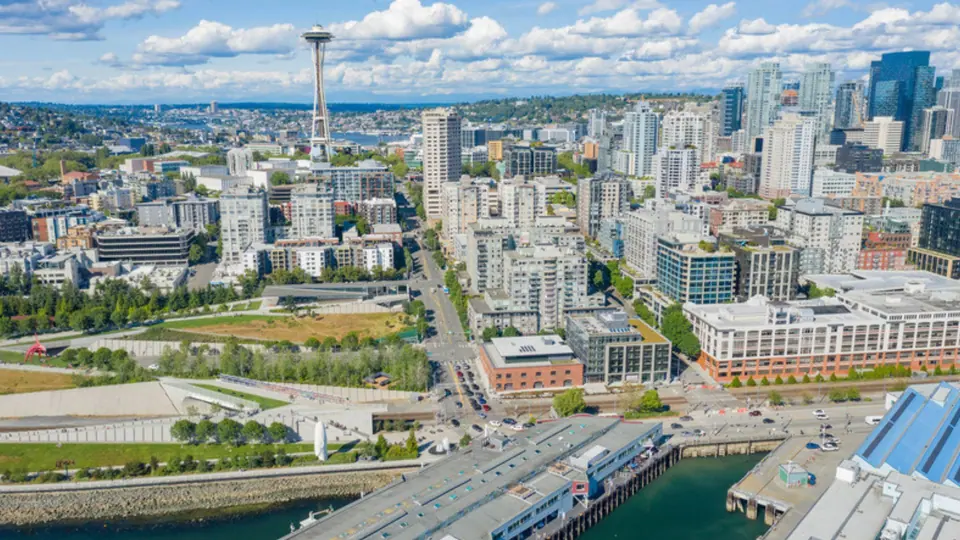
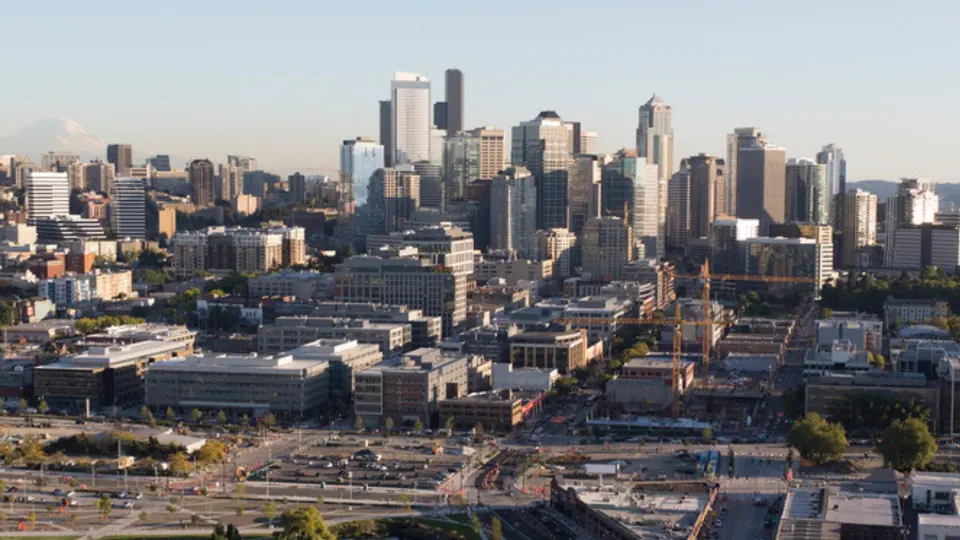
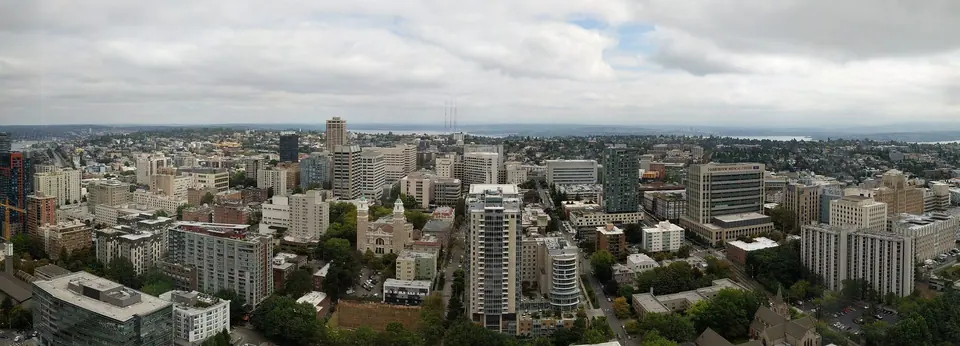
Follow the long avenues and you will be running parallel to the water: Alaskan Way, Elliott, Western, and First through Fourth Avenues are all busy through routes. Broad, Wall and Battery Streets carry most of the cross traffic toward the bay. Beneath your feet, the State Route 99 tunnel runs under several blocks, linking the waterfront highway to Aurora Avenue North.
How Belltown Got Its Shape
The neighborhood takes its name from William Nathaniel Bell, whose land claim became Belltown. As you stroll, keep in mind that the ground is not the original terrain, since the city's regrading work leveled the hills here to make building and travel easier.
For much of the twentieth century, low rents drew artists and light industry. In recent decades that character has given way to high-rise apartments, dining and nightlife, though warehouses and galleries still hold their ground between the towers. Alaska Airlines once kept its headquarters here, a reminder of how commercial the district used to be.
Parks, Gardens and Public Art
Instead of big lawns, Belltown offers its green space in small, surprising pieces. Each one reveals a different side of the neighborhood's past, so plan to visit more than one.
Olympic Sculpture Park
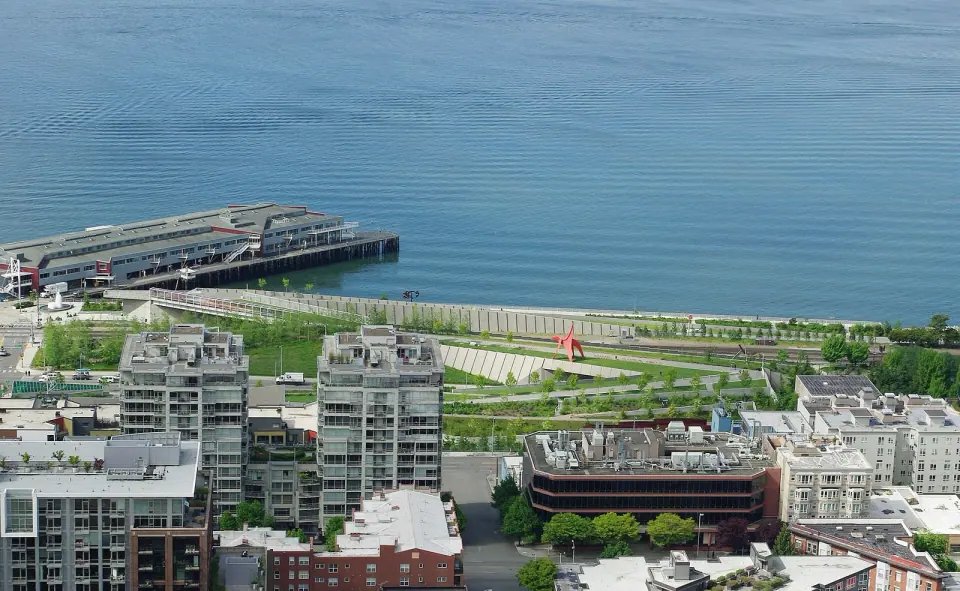
Start at the neighborhood's anchor, the Olympic Sculpture Park on the Belltown waterfront. Run by the Seattle Art Museum, this 9-acre site sits on former industrial land next to Myrtle Edwards Park, where large contemporary sculptures share the grounds with native Pacific Northwest plantings, a restored beach and a rebuilt seawall.
Two things make it special. Admission is free, and with no walls or gates you can wander in from the street or the shoreline path whenever you like. Private donations paid for its construction entirely.
Bell Street Park and Tilikum Place
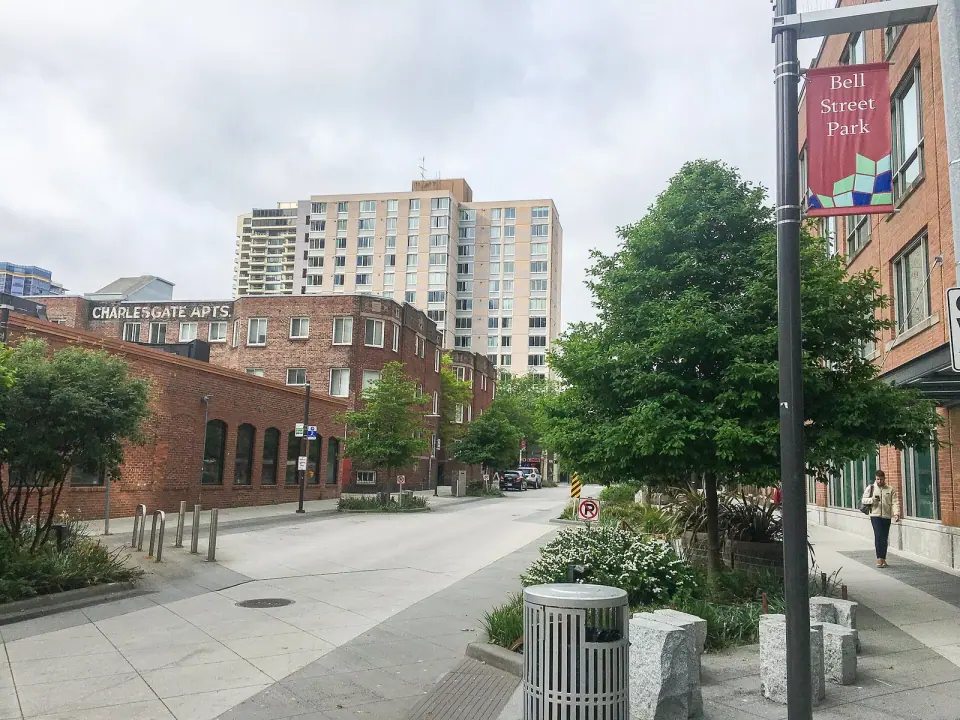
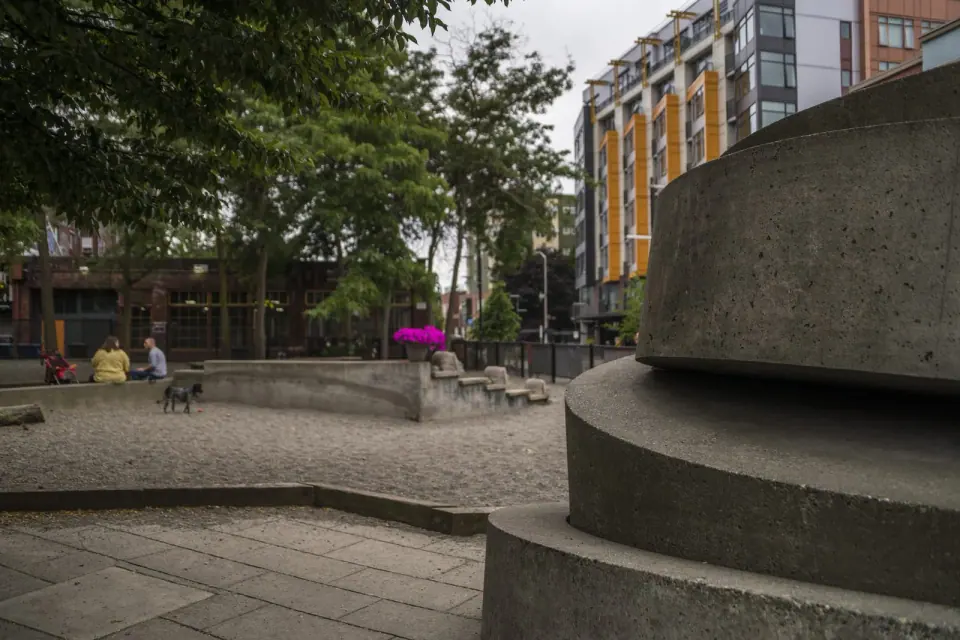
For a different kind of park, walk Bell Street Park. Opened in 2014, it turned a stretch of Bell Street into a curbless shared space of about 1.33 acres, where walkers and drivers use the same surface, and it makes a pleasant route across the neighborhood on foot.
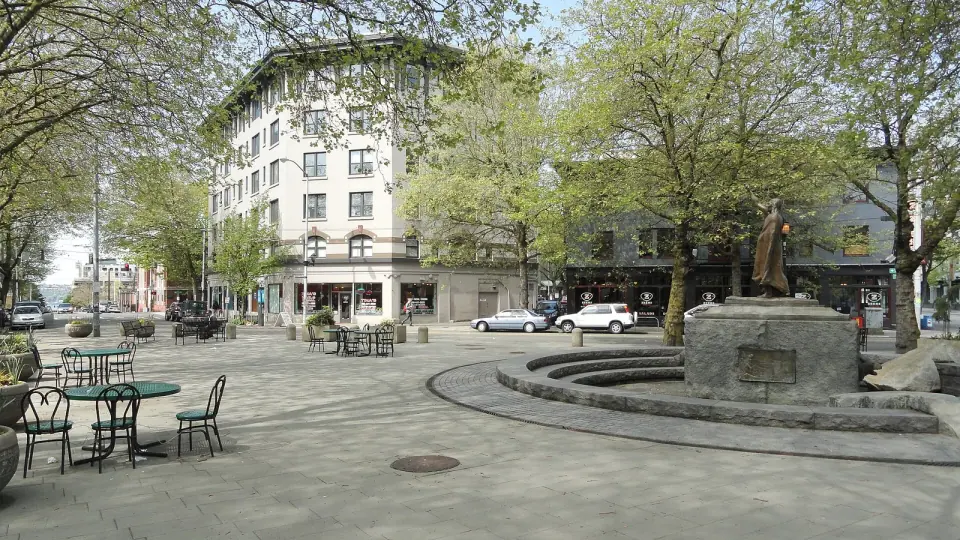
Near the Space Needle end of Belltown, pause at Tilikum Place, a small triangular plaza built around James Wehn's life-size statue of Chief Seattle. The statue itself is a designated landmark, and the plaza is a handy meeting point before you head on toward Seattle Center.
The Cottages and the P-Patch
Up at Western Avenue and Vine Street, look for a cluster of modest wood houses that seem almost out of place among the towers. Built in 1916, these cottages are the last of eleven that once filled the quarter block. They are the only remaining wood-framed homes in downtown Seattle, and they mark where the shoreline ran in the 1850s.
Right next door, the Belltown P-Patch community garden has been part of the City of Seattle P-Patch program since 1995. Its 35 plots give apartment dwellers a place to grow food, so enjoy it as a working garden and respect the gardeners' plots.
Walking Old Film Row
Few people realize that Belltown was once the hub of the region's movie business. Because nitrate film was highly flammable, zoning pushed film exchanges into this single district, and during the silent era distributors here supplied roughly 470 theaters across Washington, Oregon, Idaho and Montana.
The first purpose-built film structure, the Pathe Building on Third Avenue, opened in 1922 and was torn down in 2016. By the late 1920s the action had shifted to Second Avenue, where an art deco Film Exchange Building trimmed in terra cotta took up a whole block between Battery and Wall Streets. Universal Pictures became the last studio to leave in 1980, and the building closed in 1991 before coming down a year later.
What You Can Still See
Head to the block of Second Avenue just south of Battery Street to find traces of the era. The Rendezvous bar keeps the Jewel Box theater, the last screening room left in the neighborhood, and on the corner the former MGM Building now houses a bar and restaurant.
A few doors down, the old William Tell Hotel was once the film crowd's favorite place to stay, later became low-income housing and now operates as a hostel. Over on First Avenue, Paramount's former exchange has hosted the Catholic Seaman's Club upstairs since 1955, with a restaurant and lounge at street level.
A Landmark Walk Through the Avenues
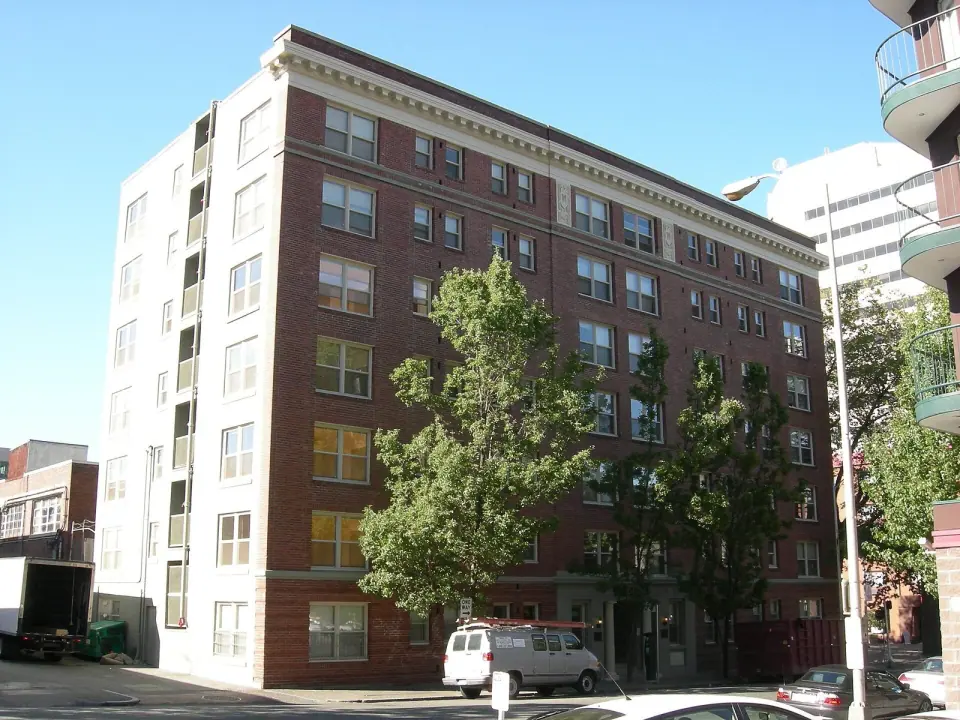
Belltown packs a striking number of City of Seattle landmarks into a few blocks. Many are early apartment buildings, so take a slow walk up and down the avenues and you will cover a lot of history in a short distance.
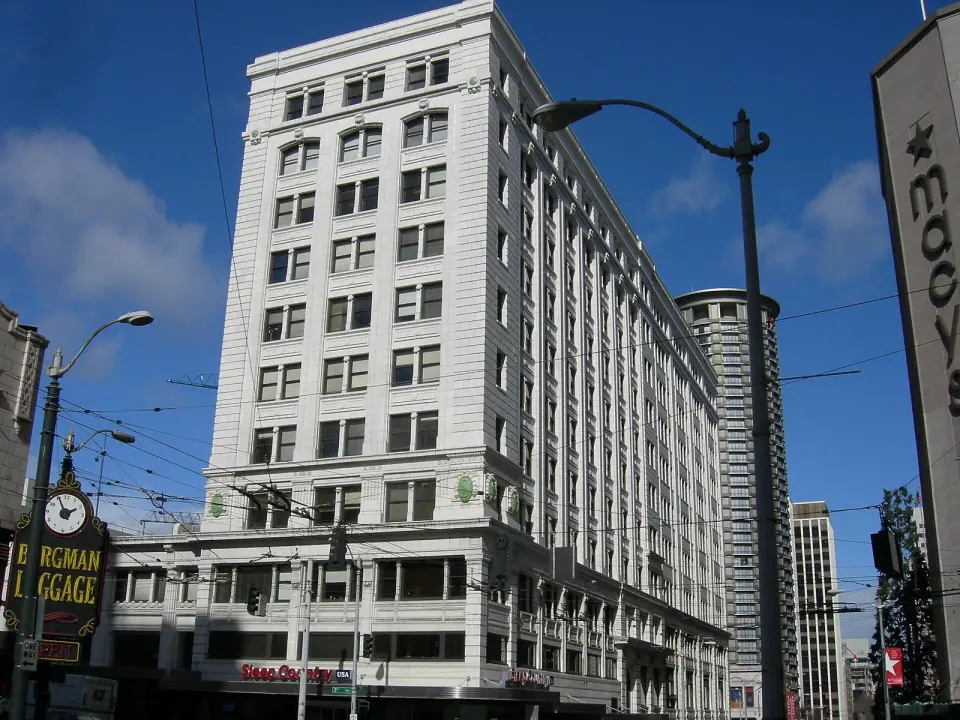
- Securities Building: Begin with the Securities Building on Third Avenue, which earned landmark status in 2010 and sits among a tight group of other protected buildings.
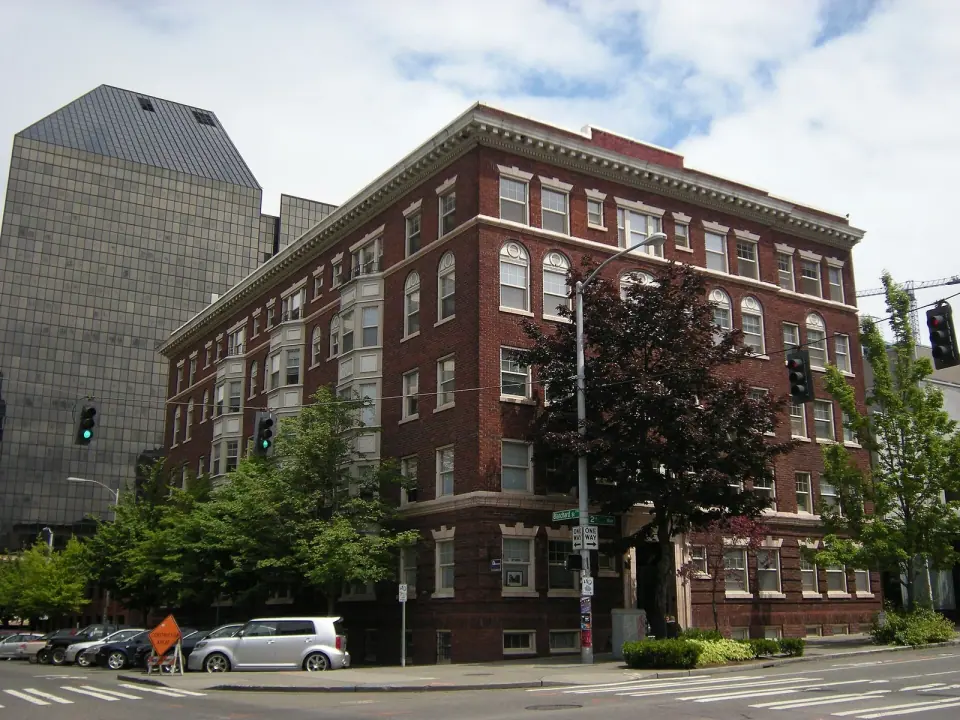
- Windham Apartments: On Blanchard Street, the Windham Apartments became city landmark No. 297 in 2008.
- Sheridan Apartments: This Fifth Avenue building joined the landmark list in 2017, one of the more recent additions.
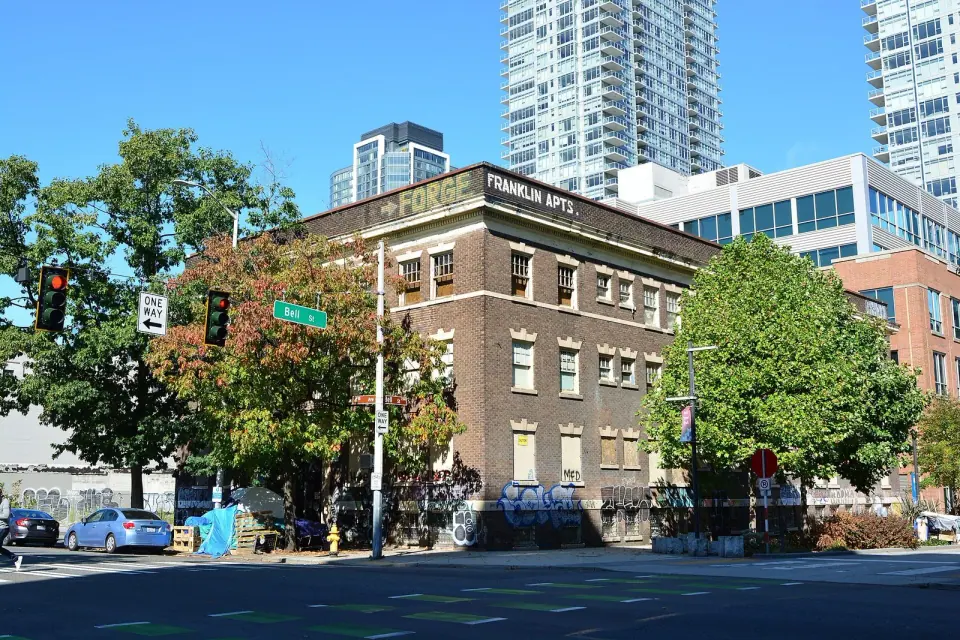
- Castle and Franklin Apartments: Find these on Second and Fourth Avenues, both designated landmarks with other protected buildings and small parks close by.
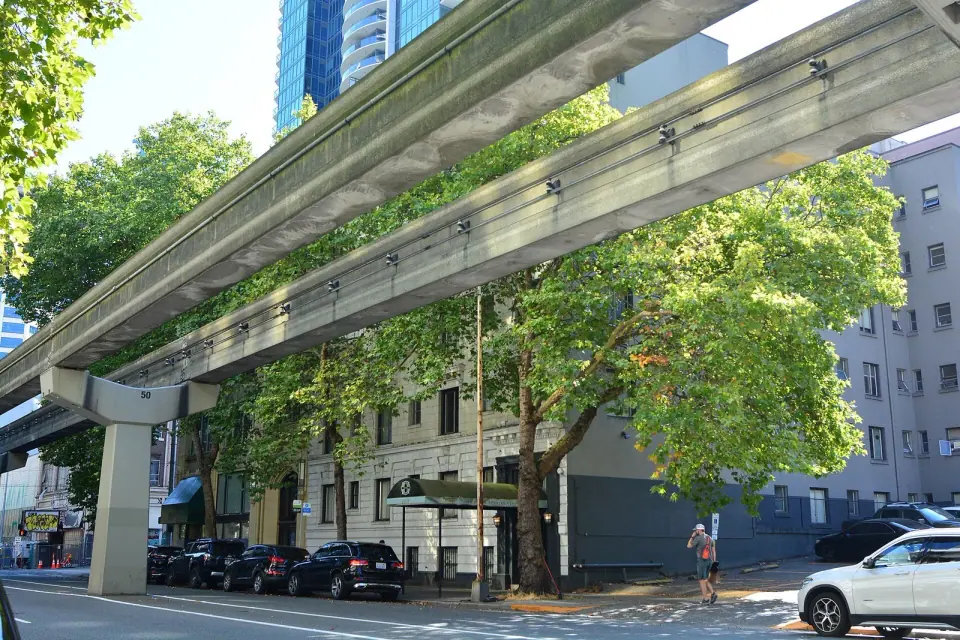
Keep an eye out for other protected sites in and around the neighborhood, including the Moore Theatre and Hotel Building, Fire Station #2, the Seattle Labor Temple, the Ainsworth and Dunn Warehouse, the American Can Company Factory and the Seattle Monorail. Together they show Belltown's working past as clearly as any museum.
Nights Out in Belltown
New restaurants and bars open here constantly, yet a handful of long-running spots still draw loyal regulars. Spend an evening at classic old Seattle nightspots such as The Crocodile Cafe, The Rendezvous, Shorty's, The Lava Lounge and Ohana, and seek out The Rendezvous as much for its Film Row screening room as for its bar.
Hours and offerings change, so check each venue's official site before you go, especially for live music or events.
Getting to Belltown and Getting Around
Leave the car behind, because Belltown is easy to reach without one. Several frequent King County Metro routes cross the neighborhood, including RapidRide bus service, and the RapidRide E Line, which runs from North Seattle along Aurora Avenue through Belltown to downtown, had the highest ridership in Metro's system as of 2022.
If you prefer light rail, ride Sound Transit's 1 Line to Westlake Station, just south of the neighborhood, and most of Belltown is a short walk away. Check King County Metro and Sound Transit for current schedules and fares.