The Neighborhoods Within
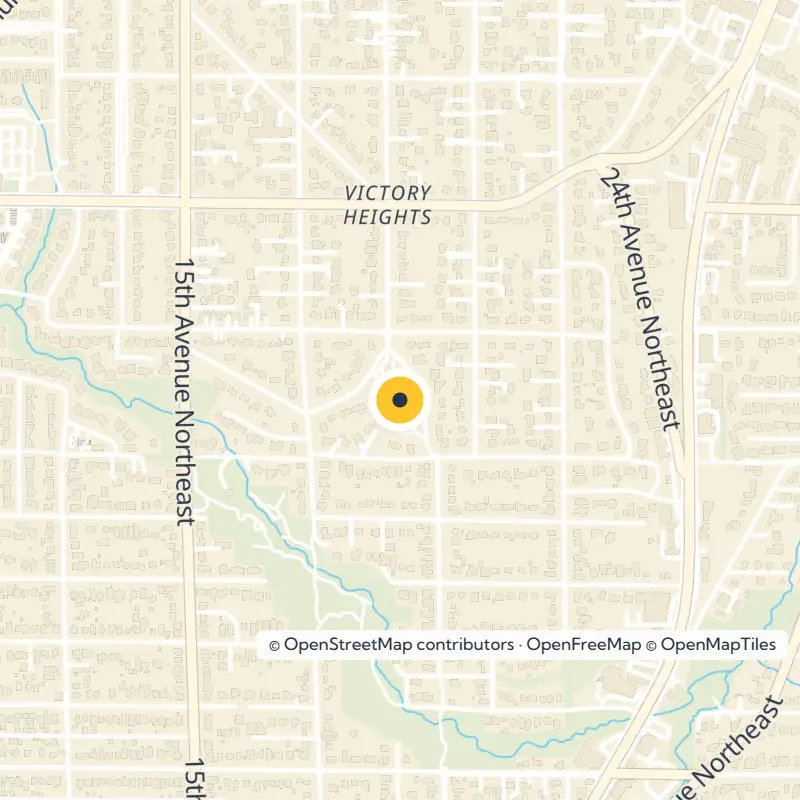
Lake City takes in Cedar Park, Matthews Beach, Meadowbrook, Olympic Hills and Victory Heights. Each brings its own parks and character, from the lakeside streets near Matthews Beach to the residential blocks of Victory Heights. Ask a local where they live, and you will often hear the smaller area named first.
Things to Do in Lake City, Seattle
Plan your visit around time outdoors and a wander through the neighborhood core. The highlights below fill a relaxed half day, or stretch into a full day once you add a swim.
Swim at Matthews Beach Park
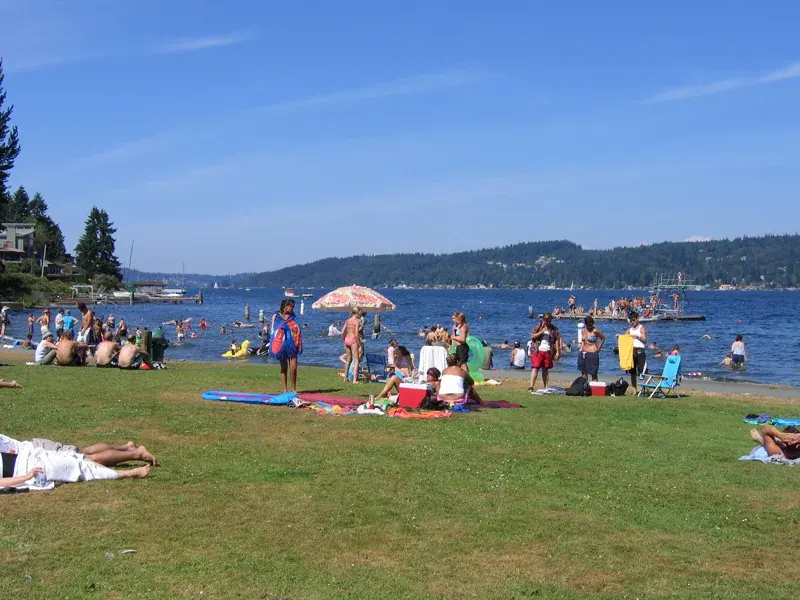
Spread out across 22 acres at Matthews Beach Park, where Thornton Creek flows into Lake Washington. In summer, families flock to its lifeguarded swim beach and the offshore diving platform. Feeling bold? The park also hosts a New Year's Day plunge for anyone ready to start the year in cold water.
Browse the Lake City Farmers Market
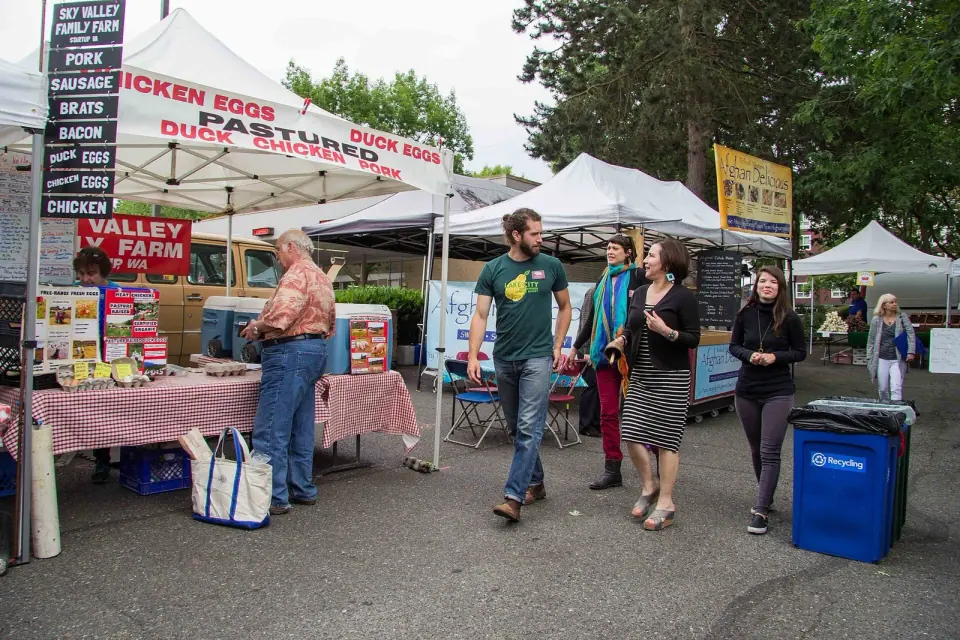
Stroll over to the Lake City Farmers Market, which sets up near NE 125th Street and 28th Avenue NE. It runs on Thursdays and Saturdays in season. Market days and times can shift from year to year, so confirm the current schedule before you go.
Stop by the Library and Its Neighbors
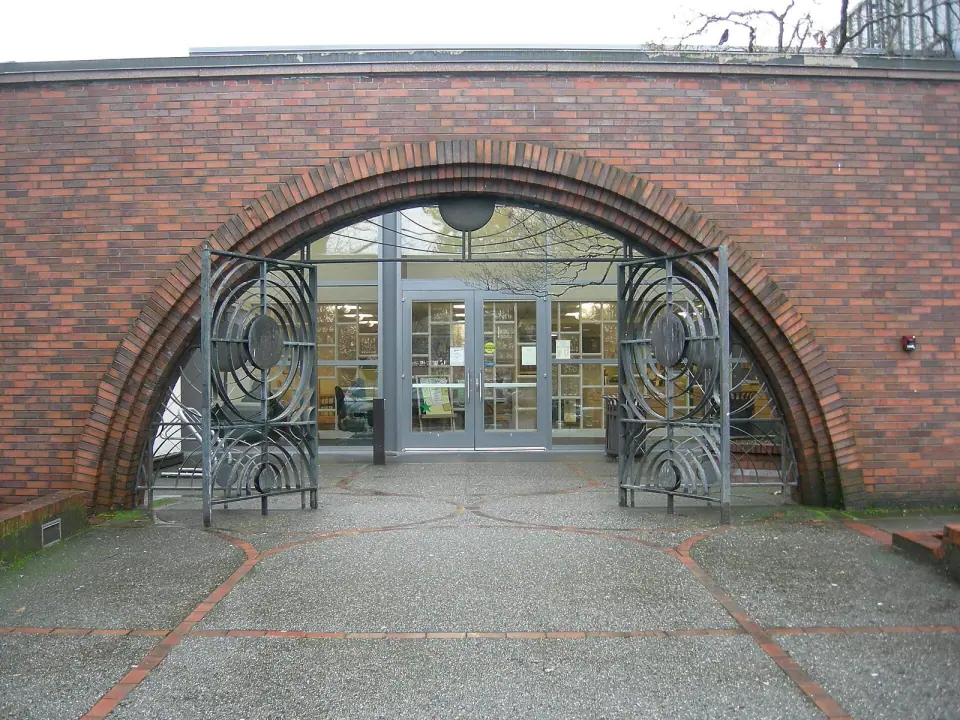
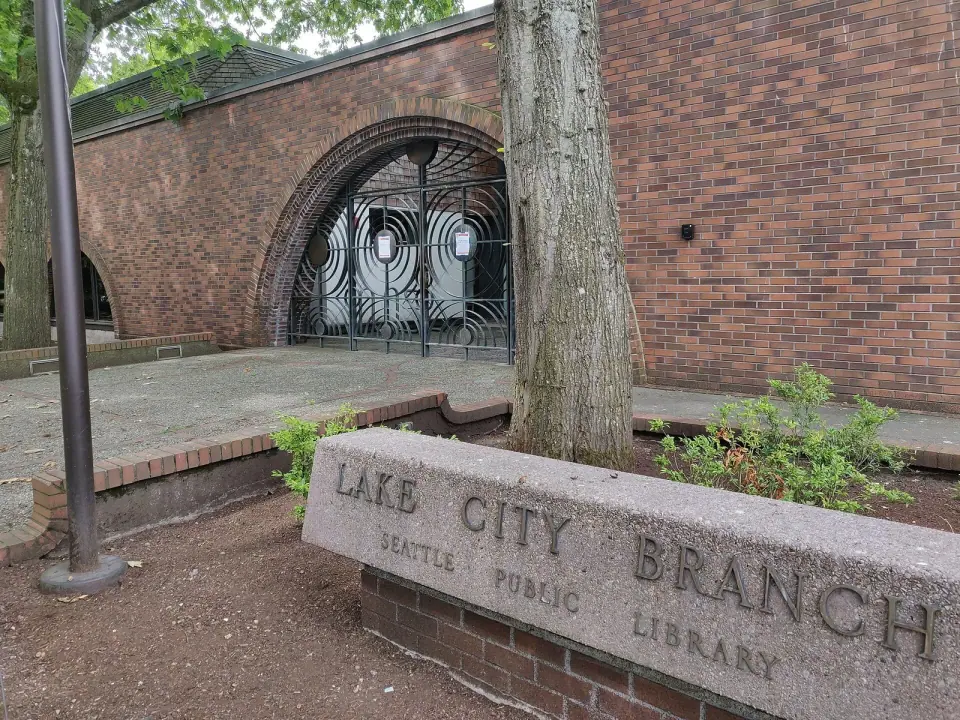
The Lake City Branch of The Seattle Public Library stands at 12501 28th Ave NE. Drop in for practical needs, then use it as your anchor for a walkable cluster that includes parks and the market. Check the library's official page for current hours and programs.
Find a Neighborhood Park
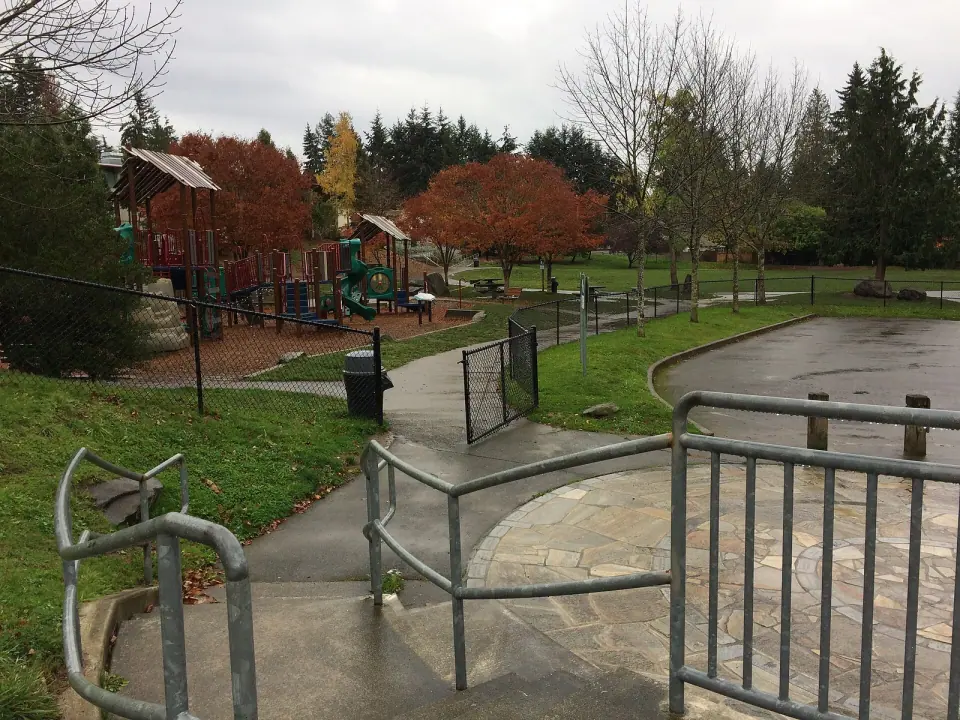
Smaller parks are scattered all through the area. Let little ones loose at Cedar Park, a compact playground on the former schoolyard of Cedar Park Elementary. Victory Heights Playground sits close to a string of small green spaces named for Thornton Creek. When you want more room to roam, try Meadowbrook Playfield, Nathan Hale Playfield or the LaVilla Meadows Natural Area on Thornton Creek.
Following Thornton Creek
Much of Lake City drains into the Thornton Creek watershed. For years, residents and staff from Seattle Public Utilities have worked to restore the creek and improve its surroundings, which is why so many local parks carry its name.
Trace the creek and the whole area starts to make sense. It links the inland green spaces around Victory Heights to the beach at Matthews Beach Park, where it finally meets the lake.
The Story of Lake City
The First People of the Lake
People have lived here since the end of the last glacial period, around 10,000 years ago. The hah-chu-ahbsh, or Lake People, now part of the Duwamish tribe, made their settlements along the Lake Washington shore. Extended families shared large cedar longhouses through the winter and spread out in summer. They lost their rights to the land in 1854.
Logging, Rail and a New Name
Between 1850 and about 1900, the area was logged and its wetlands drained. Around 1886 a railway arrived along the route you can now follow as the Burke-Gilman Trail, with a passenger stop called simply "Lake" near today's NE 115th Street. Back in the 1870s, German immigrant farmers had formed a small Little Germany community near the site of present-day Nathan Hale High School.
The name Lake City arrived in 1906, when D.H. and R.H. Lee bought and platted the land. The road north was paved in brick in 1918 and in asphalt in 1928. Because cars came as the community grew, Lake City spread out along roads rather than around streetcar stops, and you can still see that linear shape as you travel through it today.
A Difficult Chapter in Victory Heights
In 1923, the Goodwin Company placed racial restrictions on three tracts it was developing in Victory Heights, the first-known racial restrictive covenants in the Seattle area. Such covenants became a common way to keep people of color out of neighborhoods after a 1917 U.S. Supreme Court ruling barred segregation through city ordinances.
From Township to Seattle Neighborhood
Lake City got its own school district in 1912, and its first permanent school went up at 28th Avenue NE and NE 125th Street. The library began there in 1935 as a few shelves of books in part of a room at Lake City School, backed by the Pacific Improvement Club. Postwar families poured in, and by 1949 Lake City had become a township with more than 40,000 residents.
Seattle annexed the area in 1954, moving the city limits north from 85th Street to 145th Street. A year later, Scout Troop 240 and other volunteers carried thousands of books into a new library building.
Why the Library Is a Landmark
The Lake City Library was named an official City of Seattle landmark in 2003, and a rebuilt branch reopened in 2006. Nearby Lake City School also holds landmark status, so linger at this corner, where so much of the neighborhood's civic story comes together.
How Highways Shaped the Business District
Lake City has long leaned on retail, and its fortunes have followed regional road building. Business dipped when Aurora Avenue North was extended to Everett in the 1920s, then bounced back once NE 130th Street was paved. The opening of Northgate Mall in 1950 drew shoppers away, and Interstate 5 dealt another blow in the 1960s.
In the late 1970s, a renovation of the core along Lake City Way NE near NE 125th Street helped revive the local economy. That stretch is still the heart of the neighborhood, and it is the natural place to begin your visit.