Skip to content
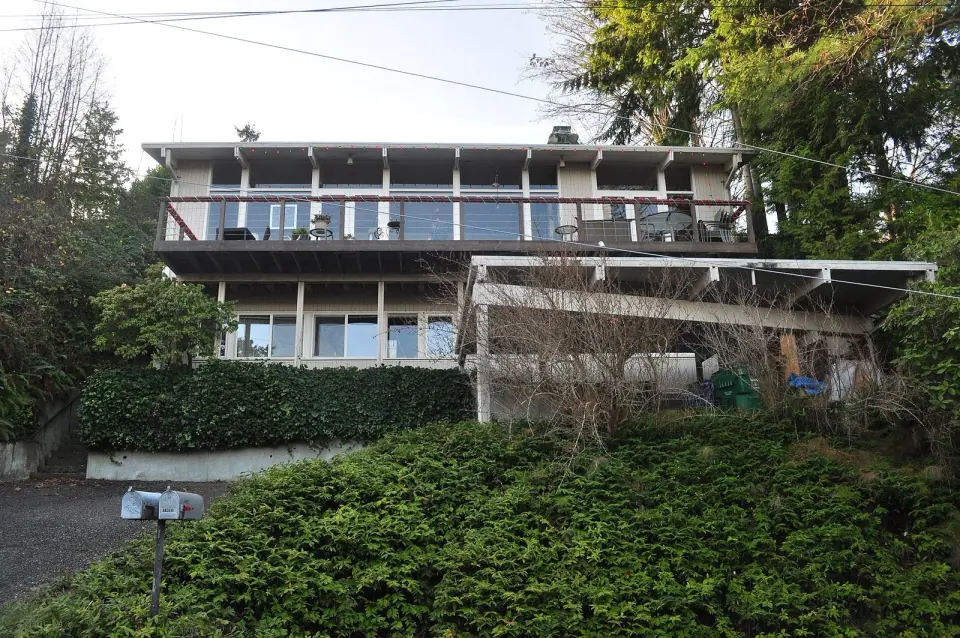
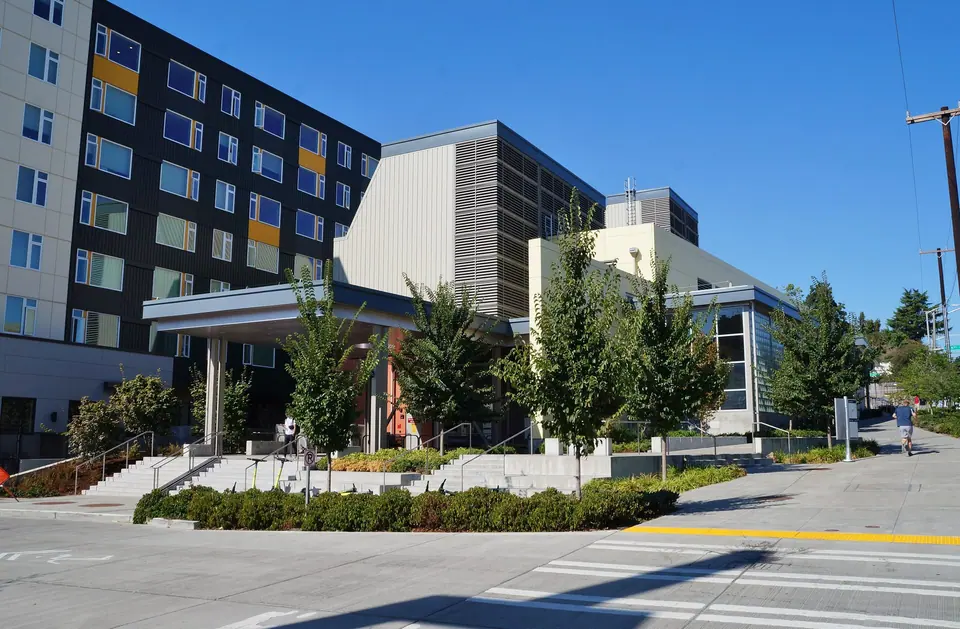
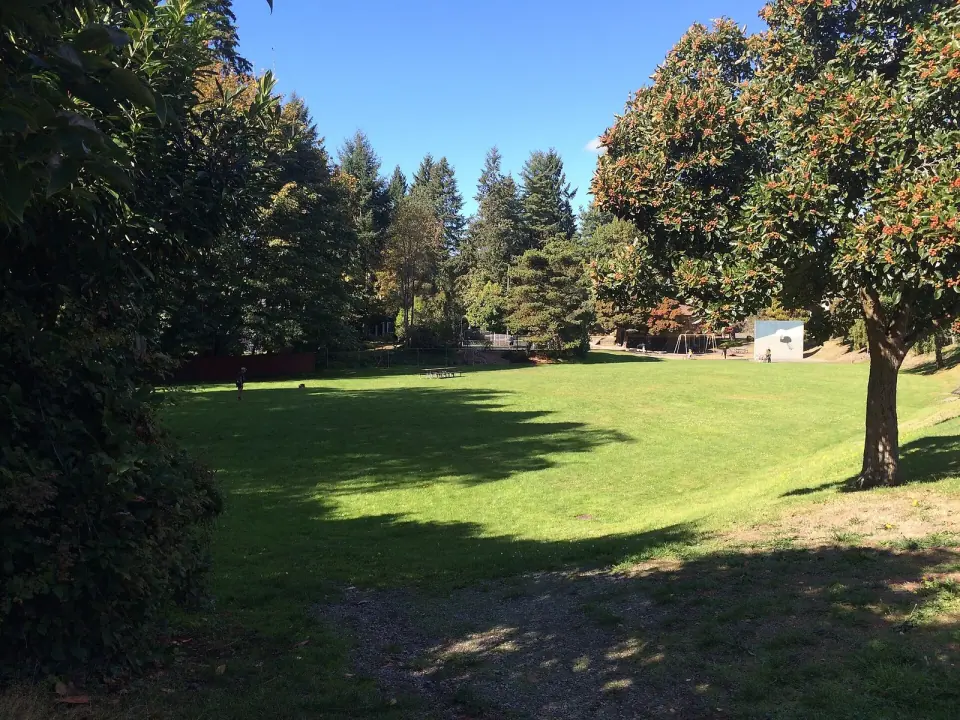
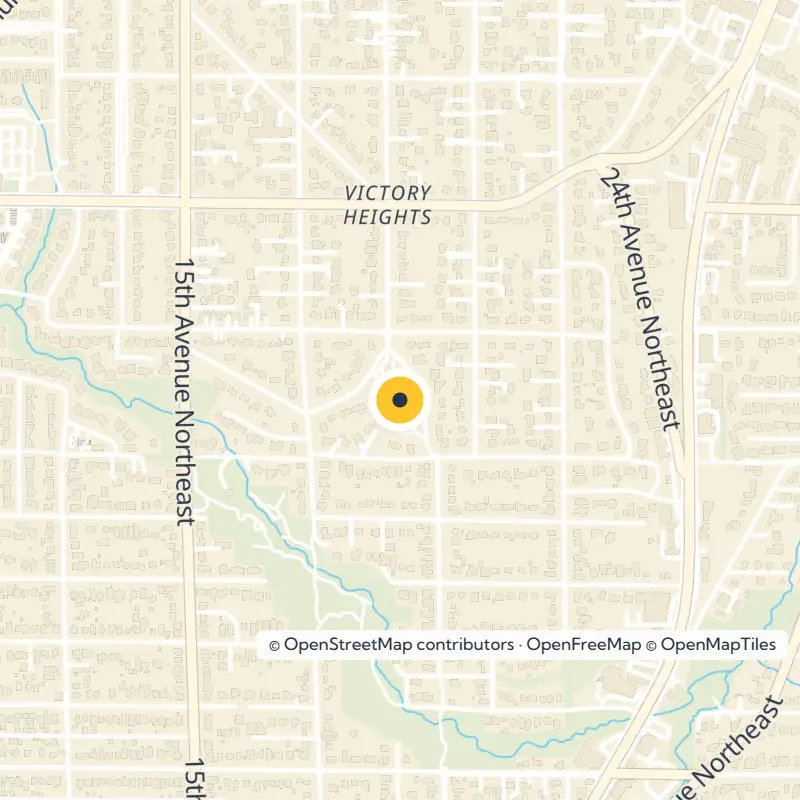
The Victory Heights neighborhood in North Seattle, near Victory Heights play area

Victory Heights

Spend a slow afternoon in Victory Heights, a quiet residential corner of Seattle's Lake City district with a road-named past, a sobering housing history, a neighborhood playground and a seasonal farmers market close by.

Part ofLake CitySeattle neighborhoods

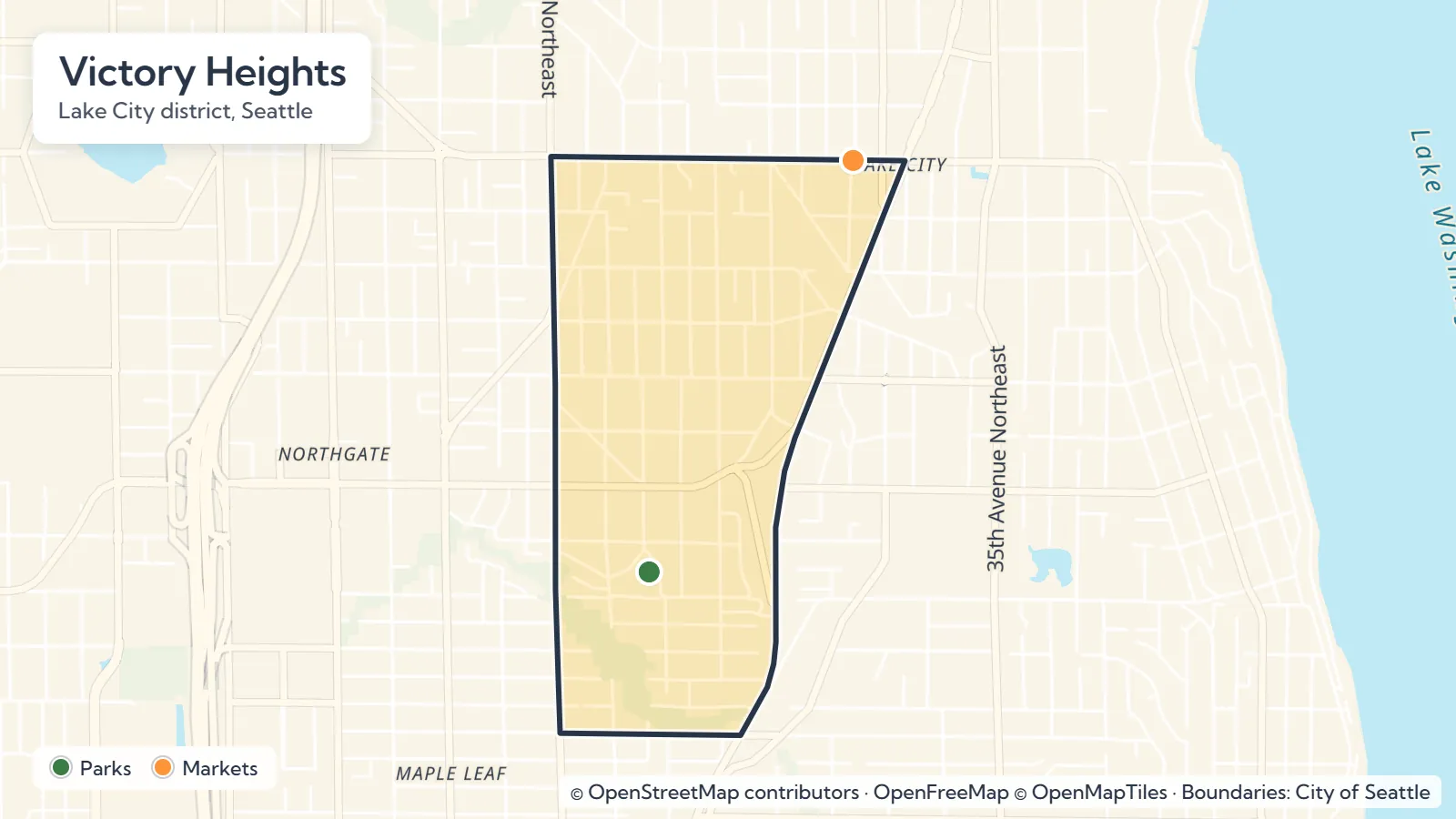
Map of Victory Heights in Seattle showing 2 places we cover
Map of Victory Heights Explore the interactive map
Parks, landmarks and markets

Places to go in Victory Heights

Open in OpenStreetMap
Filter places by type

Frequently asked questions

Victory Heights is a neighborhood in the Lake City district in north Seattle. Its historic eastern border was the road now called Lake City Way NE.

It was named after the Victory Highway, which formed its eastern edge. That road carried the Victory Highway name starting in 1924 and is now Lake City Way NE.

The neighborhood was annexed to the city of Seattle in 1954, along with other areas in Lake City.

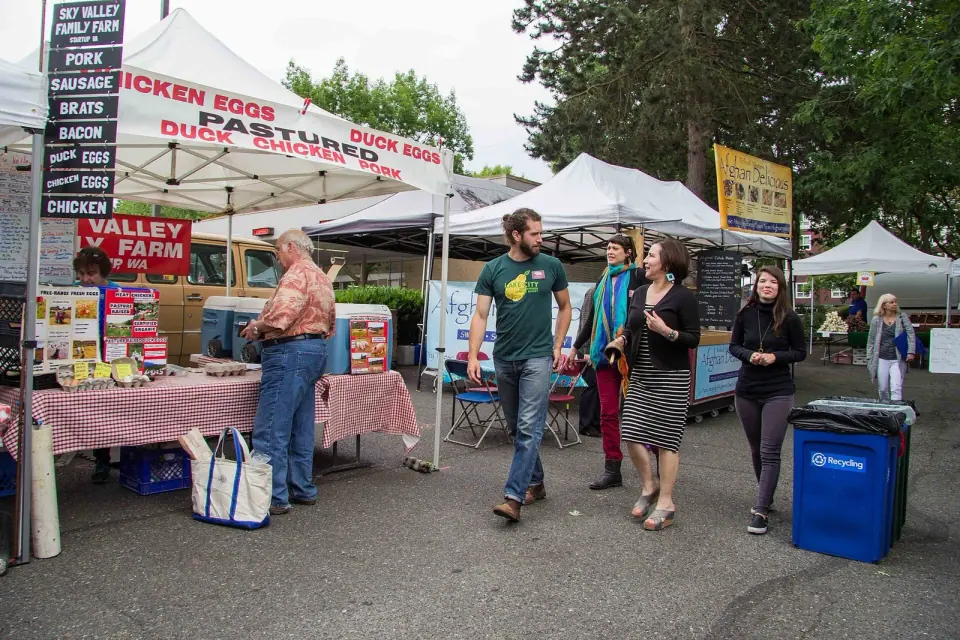
Yes. The Lake City Farmers Market sets up near NE 125th St and 28th Ave NE on Thursdays and Saturdays in season. Check the market for current hours.

About Victory Heights

Quiet residential streets, a neighborhood playground and a string of small parks tied to Thornton Creek set the easygoing tone of Victory Heights. You will find this corner in Seattle's Lake City district, in the north end of the city, and it has only been part of Seattle since 1954. Spending time in Victory Heights, Seattle, means pairing playground time with a farmers market that runs Thursdays and Saturdays in season, and pausing to understand a history worth knowing.

Where the Name Comes From

Picture the road that once marked the eastern edge of the area: the Victory Highway, which gave the neighborhood its name. Today you know that same route as Lake City Way NE, and it still traces the old boundary.

The road wore several names before it settled down. It started as the Gerhart Erickson Road, honoring the man who sponsored Good Roads legislation in 1903, then became Bothell Road, took the Victory Highway name in 1924, and reverted to Bothell Road before finally becoming the street you drive today.
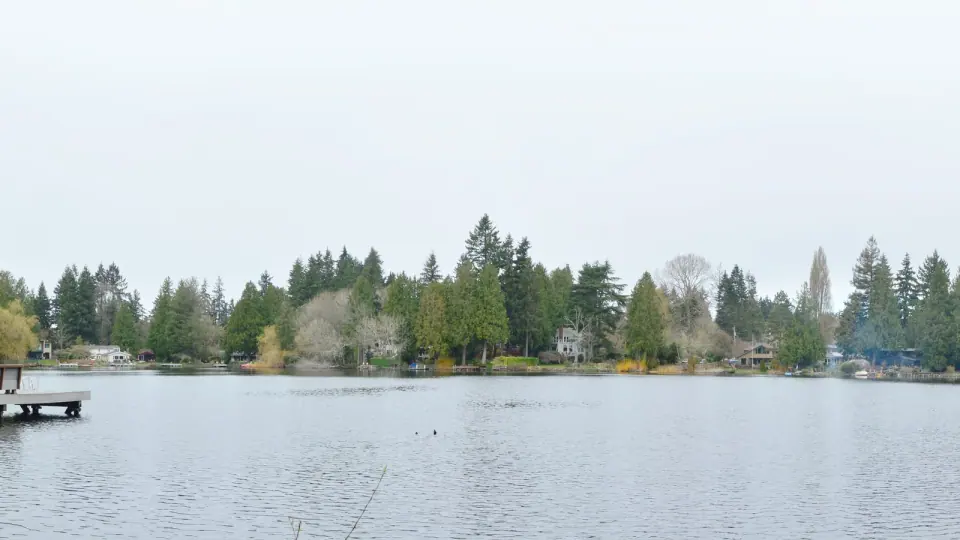
Read the full Victory Heights guide

A Difficult Chapter in Housing History

Take a moment with one of the neighborhood's more uncomfortable stories. Here in Victory Heights, in 1923, the first known racial restrictive covenants in the modern Seattle area were written, deed clauses used to keep neighborhoods limited to white residents.

Developers turned to these covenants after a 1917 Supreme Court ruling barred cities from using ordinances to segregate neighborhoods. The Goodwin Company, which developed real estate in Victory Heights, first attached covenants to three of its tracts. As you explore, notice Goodwin Way NE, a local street that still carries the company's name.

Joining the City

Until 1954, Victory Heights sat outside the city limits. That year it was annexed to Seattle along with other parts of Lake City.

Parks and Green Space

Head first to Victory Heights Playground, the neighborhood's anchor park, a city park at 1737 NE 106th St. It makes an easy stop for families who live nearby and want a quick outing close to home.

From the playground, you are close to a chain of small green spaces named for Thornton Creek. Wander a little wider and you can find pocket-sized spots such as Virgil Flaim Park and Pinehurst Pocket Park. Check with Seattle Parks and Recreation for current amenities before you set out.

Market Days at the Lake City Farmers Market

Fresh produce is never far away. Stop by the Lake City Farmers Market, which sets up near NE 125th St and 28th Ave NE, with market days on Thursdays and Saturdays.

Because it is a seasonal market, days, hours and vendors can change. Confirm the current schedule with the market before you plan your trip.

Planning Your Visit

Give Victory Heights a slow afternoon rather than a packed itinerary. Start with a playground stop, add a market run, then drive or walk along Lake City Way NE, the old highway that gave the neighborhood its name.

A little farther

More neighborhoods nearby