Wander Native Forest and Wetlands
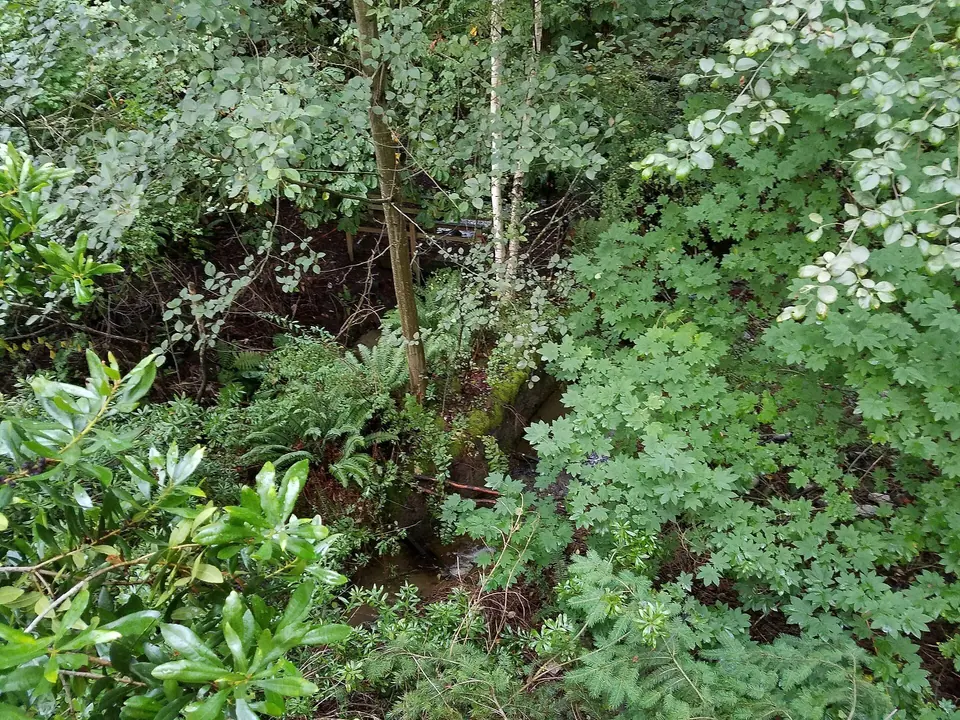
Plenty of Seattle parks were shaped by landscaping, but here you step into mostly native habitat. The woods are a forest remnant going through natural succession, which means the plant communities around you keep changing and maturing over time with little human design.
Here is roughly how the acreage breaks down:
- Hardwood and riparian forest: 18 acres, the largest share of the park
- Conifer and mixed forest: about 10 acres
- Wetlands: approximately 5 acres
Together, those streamside trees, evergreens and wet ground give birds and other wildlife a range of places to feed and shelter, all without leaving city limits.
Find Where Fauntleroy Creek Starts
Fauntleroy Creek has its headwaters right inside the park, and the stream historically supported fish. Cutthroat trout once lived in its waters, though you will no longer find them there.
Local schoolchildren have worked to restore habitat along the stream and have stocked it with coho salmon. The creek keeps flowing beyond the park, and nearby Fauntleroy Creek Ravine, about half a mile away, protects more of the same watershed.
How to Spend Your Visit
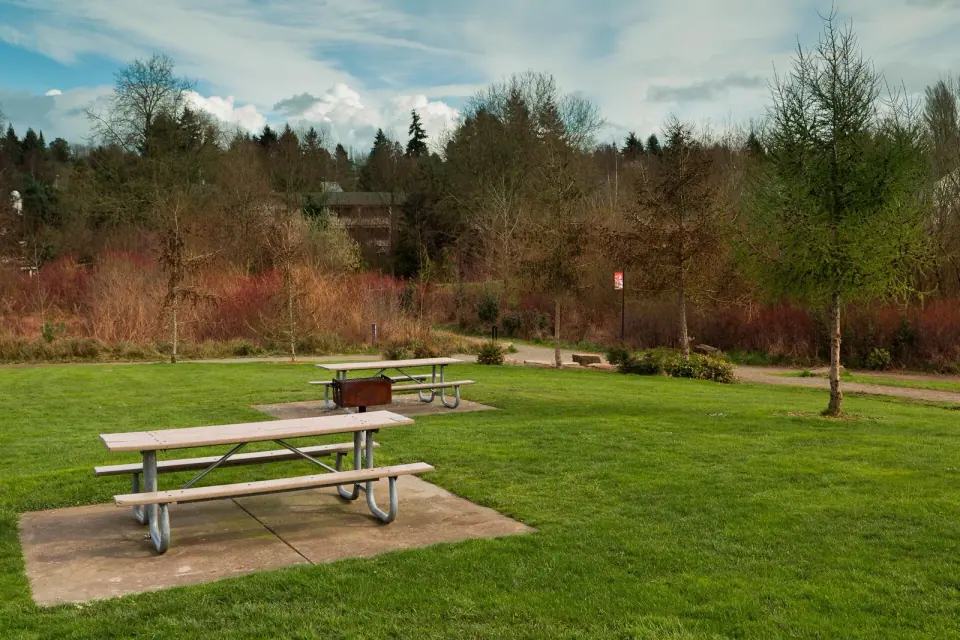
Fauntleroy Park is managed as a natural green space and wildlife habitat rather than a typical urban park, so plan on an unhurried, low-key outing built around a few simple pleasures:
- Walking the wooded paths
- Birdwatching
- Observing plants, the creek and other wildlife
Before you head out, keep in mind that the park is not meant for heavy trail use such as mountain biking, and it has no facilities for organized sports. Leave the bike and the soccer ball at home and pack binoculars instead. For current rules and details, check with Seattle Parks and Recreation.
Meet the Neighbors Who Care for It
A dedicated volunteer community looks after Fauntleroy Park. Volunteers have been pulling non-native weeds here since 1996, the same year the Friends of Fauntleroy Park formed, and that group focuses on preserving and restoring the park as a natural area, on public education and use, and on stewardship.
Two more groups tend the wider watershed that begins in the park:
- Friends of Fauntleroy Creek, established in 1989
- Fauntleroy Creek Watershed Council, established in 2001
Not to Be Confused with Lincoln Park
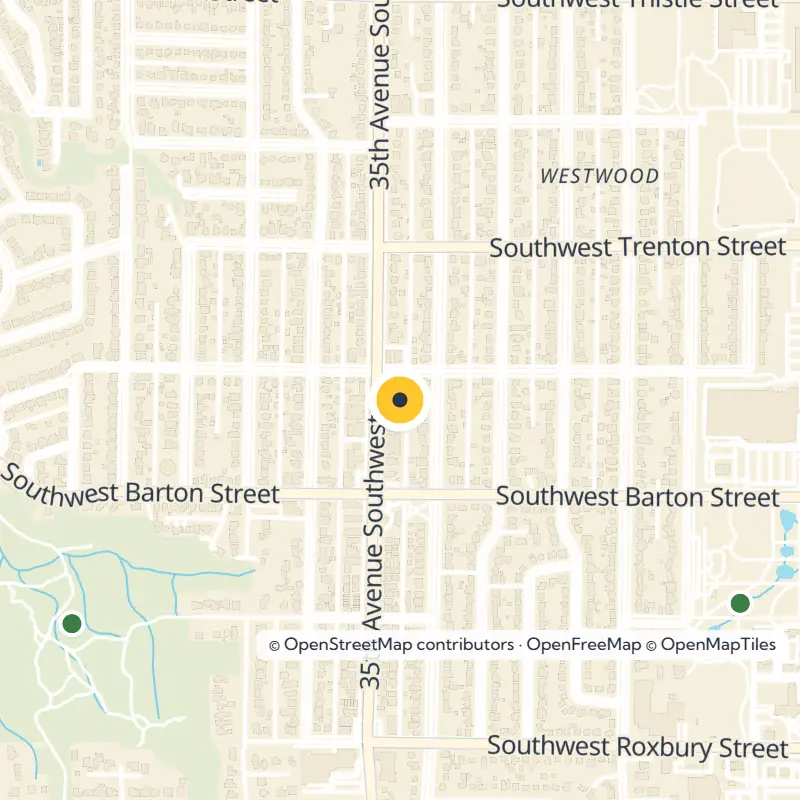
If you come across older maps and records, a little care helps. Nearby Lincoln Park, the larger waterfront park in West Seattle, went by the name Fauntleroy Park until 1922, and today the name belongs to this wooded ravine on SW Barton St.
Nearby Landmarks and Green Spaces
Just next door, about 0.2 miles away, stands the Fauntleroy Community Church and YMCA, a United Church of Christ congregation and a designated Seattle landmark. Several other parks and community spots sit within an easy walk:
- Kilbourne Park, 0.3 miles
- Barton Street community garden, 0.4 miles
- Southwest Branch library, 0.4 miles
- Fauntleroy Creek Ravine, 0.5 miles
- Ercolini Park, 0.6 miles
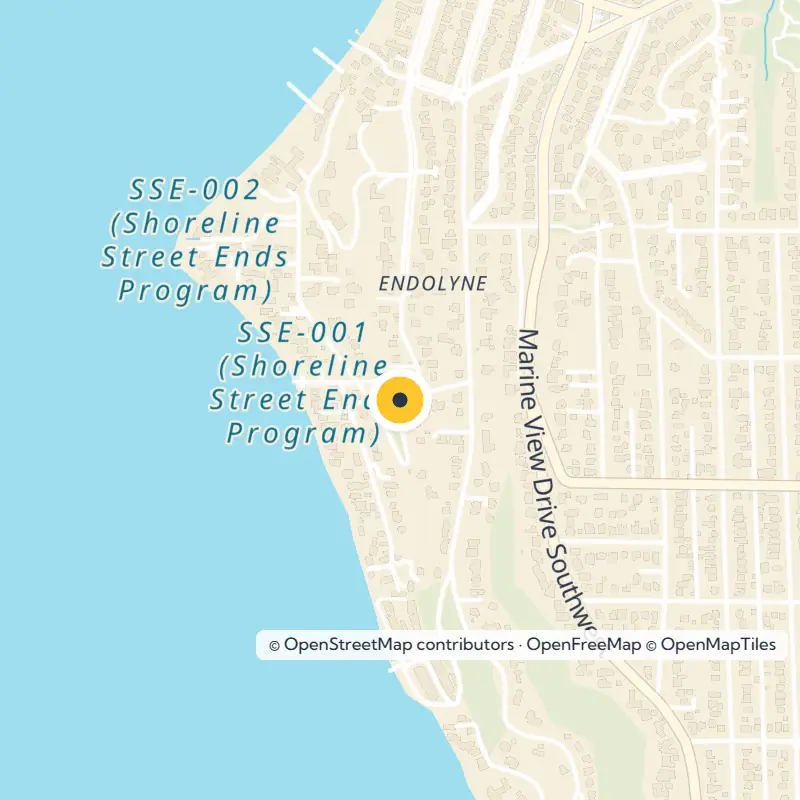
- Endolyne Park, 0.6 miles
- Roxhill Park, 0.7 miles
These distances are straight-line measurements, so your walking route may run a bit longer. To build a fuller day nearby, explore our guide to the Fauntleroy neighborhood, or browse all of Seattle's parks to discover more green spaces across the city.