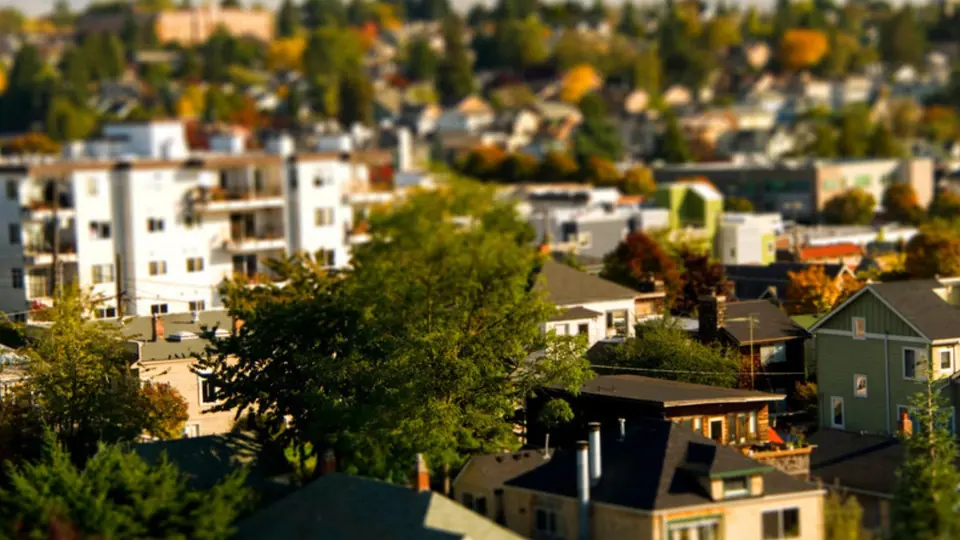
Where First Hill Begins and Ends
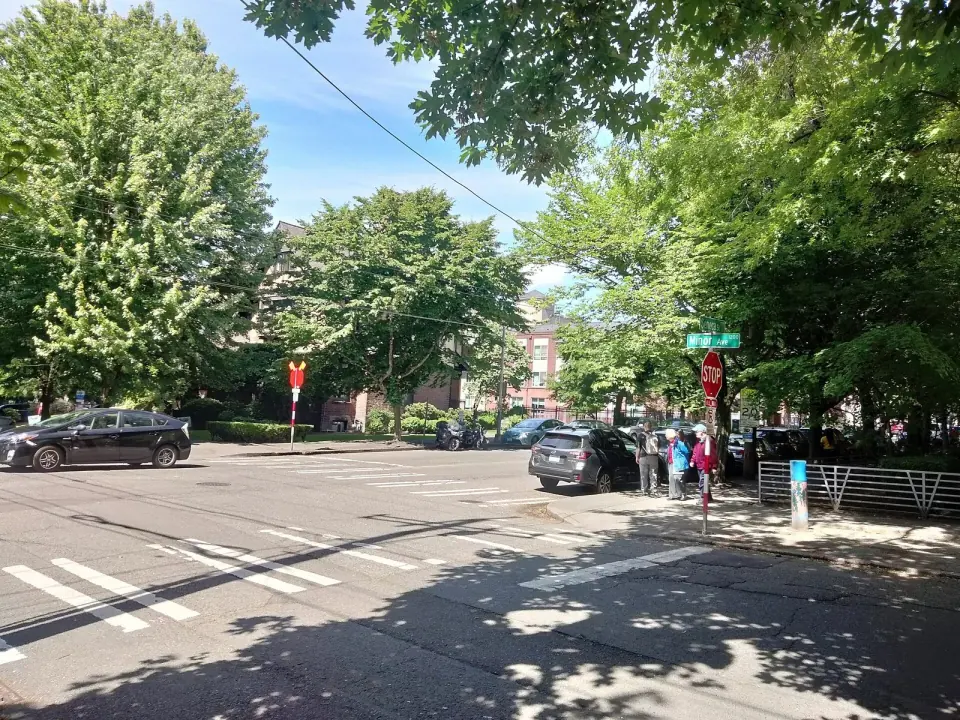
Learn the borders before you trust a listing's First Hill address. Interstate 5 marks the western edge, and Yesler Way draws the southern line, with the International District just beyond. To the north, E. Pike and E. Madison Streets separate the hill from Capitol Hill.
The eastern boundary is looser. Some City of Seattle descriptions stop at Broadway and Boren Avenue, while others stretch the neighborhood out to 12th Avenue, close to Cherry Hill and the Central District. If that distinction matters to you, ask exactly where a building sits.
To see how First Hill stacks up against its neighbors, browse our guide to Seattle neighborhoods.
Getting Around Without a Light Rail Stop
Ride the First Hill Streetcar
A Link light rail station was once planned for the hill but was dropped over geotechnical risks. In its place, the First Hill Streetcar has run along Broadway and Jackson Street since January 2016, carrying you to the International District / Chinatown and Capitol Hill light rail stations.
If transit shapes your days, living within a short walk of Broadway can make every trip much easier. Check the transit agency's official schedules for current service.
Main Streets and Steep Grades
Madison, James, Cherry and Spring Streets, along with Yesler Way, carry most of the east and west traffic. For north and south trips, head to 9th Avenue, Boren Avenue and Broadway. Many of these streets are genuinely steep, especially on the walk up from downtown.
That climb has a colorful past. King County built its first official courthouse at 7th Avenue and Alder Street in 1889 and 1890, and lawyers trudging up from downtown offices grumbled so loudly that the area earned the nickname Profanity Hill. The courthouse moved off the hill in 1916.
Life Next Door to Pill Hill
First Hill's other nickname comes from its many medical buildings. Harborview Medical Center, Swedish Medical Center's First Hill campus and Virginia Mason Medical Center all operate here, as does the Puget Sound Blood Center. If you work in one of them, your commute could simply be a walk.
Medicine has deep roots on the hill. The Maynard, Seattle General and Doctors Hospitals once stood here before merging into Swedish, and Cabrini Hospital also called First Hill home. Plan on the steady activity that comes with a major medical district.
Parks and Landmarks Close to Home
Green Space on a Dense Hill
Start with Freeway Park, the standout. Built as a 5.2-acre lid over Interstate 5, it opened in 1976 and is now a designated Seattle Landmark. It ties First Hill to downtown and the Seattle Convention Center, and its plantings soften the uphill walk.
Smaller parks fill in the gaps. Stop by First Hill Park at 1201 University St, which opened in 1987 and was renovated in 2021, or find Boylston Place at 815 Broadway, a few blocks from several landmarks. Discover more options in our Seattle parks guide.
A Neighborhood Made for Walking
Stroll the hill and you will pass a dense cluster of city landmarks. St. James Cathedral, Trinity Parish Episcopal Church and Seattle First Baptist Church each anchor their corner of the neighborhood. Mansion-era homes such as the Stimson-Green House, the Dearborn House and the Phillips House recall the 1890s, when wealthy families including William Boeing and Charles Frye lived here.
Town Hall Seattle now fills the former Fourth Church of Christ, Scientist. Round out an easy evening stroll with Old Fire Station #25, the U.S. Assay Office (later German House) and the 1909 Sorrento Hotel on Madison Street. Check each organization's official site for public access and programs.
Seattle Rules Every First Hill Renter Should Know
The Renter's Handbook
When you sign an initial rental agreement, Seattle requires your landlord to hand you a printed copy of the city's Renter's Handbook. A digital version is allowed for renewals, for month-to-month tenants each year and whenever the city updates it. Translated editions come in many languages, including Spanish, Chinese, Vietnamese, Somali and Russian.
New Limits on Rental Fees
The City Council passed a rental fee ordinance on August 11, 2026, covering rental agreements entered into or renewed after July 1, 2027. Listings and applications will have to show you the monthly rent, mandatory and optional fees, utilities, any concessions and an estimated average total monthly cost.
Under the ordinance, any fee not explicitly permitted is banned. Caps include:
- Security deposit plus move-in fees of no more than one month's rent
- Pet damage deposits of no more than 25% of one month's rent
- Late fees of no more than $10 per month
Optional services and landlord-offered renters' insurance will require your written opt-in, along with a way to cancel. Rules can change, so confirm the details with the city before you rely on them.
Algorithmic Rent Setting Is Banned
Since July 31, 2025, Seattle has prohibited landlords from using software that recommends rents based on data from other, unaffiliated rental properties. The city adopted the rule over concerns that such tools push housing costs up.
Before You Sign a Lease
Rents and availability shift constantly, so compare current listings directly. Walk the route from a building to your workplace or the streetcar yourself, since grades change block by block. For the full set of tenant rights and help with common problems, visit the City of Seattle's Renting in Seattle resource.