The Design Behind Freeway Park
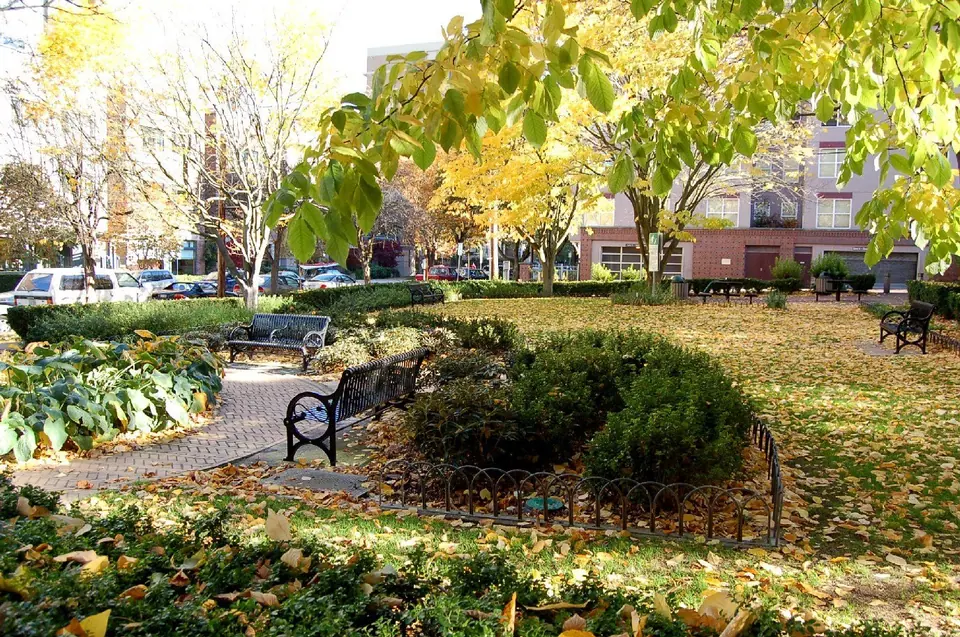
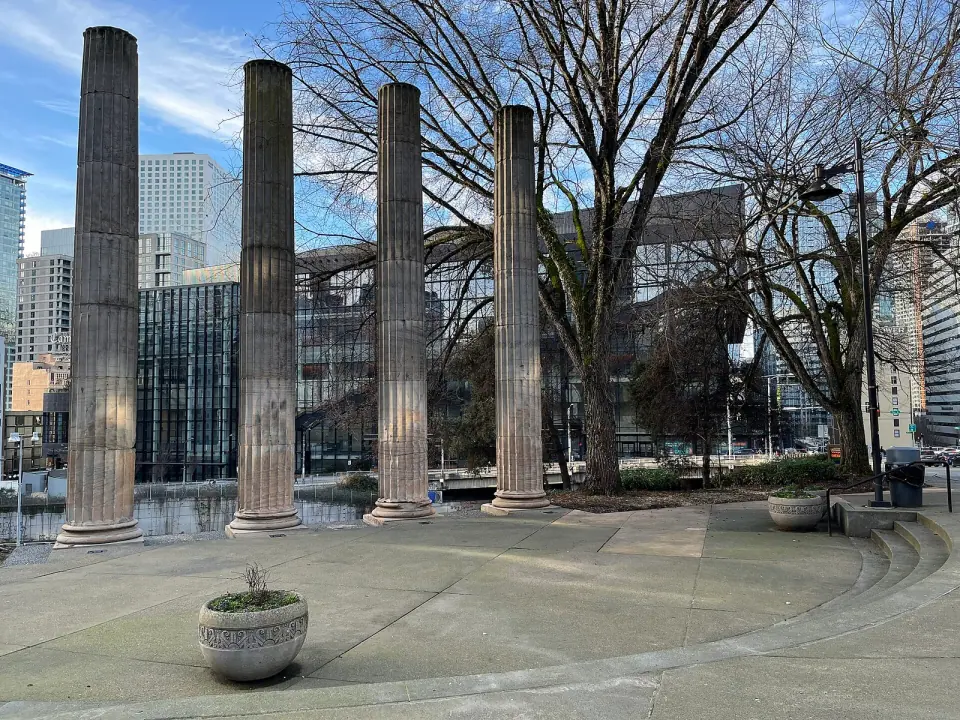
The design came from the office of landscape architect Lawrence Halprin, with Angela Danadjieva supervising the work. The result pairs heavy, angular brutalist concrete with plenty of greenery, an unusual combination for a city park. Walls, terraces and planted areas shift in level as the park steps over the freeway below.
Freeway Park is considered a precedent-setting cultural landscape. It helped establish a new kind of land use for American cities: the park built on top of transportation infrastructure. Visitors interested in mid-century design will find it one of the most distinctive public spaces in Seattle.
Three Layers of Historic Recognition
Freeway Park has been recognized at the state, national and city levels within a few years.
- Washington Heritage Register: added by a unanimous vote on October 25, 2019.
- National Register of Historic Places: listed on December 19, 2019.
- Seattle Landmark: designated by the Seattle Landmarks Preservation Board in a unanimous vote on May 18, 2022. The city lists it as landmark number 873.
Freeway Park sits alongside many other protected sites in the city. Browse the full list of Seattle landmarks to plan a broader architecture walk.
From Hard Years to a Busier Park
Freeway Park went through a difficult stretch in the early 2000s. A series of crimes, including a murder on January 18, 2002, gave the park a reputation for danger and prompted calls for a sweeping redesign. Many people blamed the layout itself.
A neighborhood group, the Freeway Park Neighborhood Association, worked with Seattle Parks and Recreation on a plan to bring the park back to life. Their 2005 report, "A New Vision for Freeway Park," argued that many small fixes would work better than a rebuild. The recommendations included more security patrols, better lighting, cutting back some plantings and, most of all, drawing more people in through organized events and convention center visitors.
The approach showed results even before it was fully in place. The association reported that crime in the park had fallen about 90 percent from 2002 levels. The park was renovated in 2008 and renamed in honor of civic leader Jim Ellis.
A Famous Spot for Parkour
Freeway Park's concrete ledges, walls and level changes have made it well known among parkour and freerunning enthusiasts. An international freerunning and parkour federation once ranked it second on its list of the seven best parkour locations in the world. It is not unusual for the park's architecture to draw people who see it as a course as much as a garden.
Visiting Freeway Park
Freeway Park works well as a route on foot between downtown, the Seattle Convention Center and First Hill. The 1982 stairway and wheelchair ramp help with the uphill section toward First Hill. Because the park spreads over several blocks and multiple levels, give yourself time to wander rather than cutting straight through.
For current hours, events and any closures, check the official Freeway Park page from Seattle Parks and Recreation before you go.
Tips for a smoother visit
- Start downtown and walk uphill to see how the park climbs over the freeway toward First Hill.
- Look for the 8th Avenue bridge, which passes over the park itself.
- Pair a stop at the park with time at the convention center if you are in town for an event.
Around Freeway Park on First Hill
Freeway Park sits on the edge of First Hill, part of the Downtown district. Our First Hill neighborhood guide covers more places to see on the hill.
Two other city landmarks are a short walk away:
- Town Hall Seattle (Fourth Church of Christ, Scientist): under 0.1 mile from the park.
- Eagles Temple Building: about 0.1 mile away.