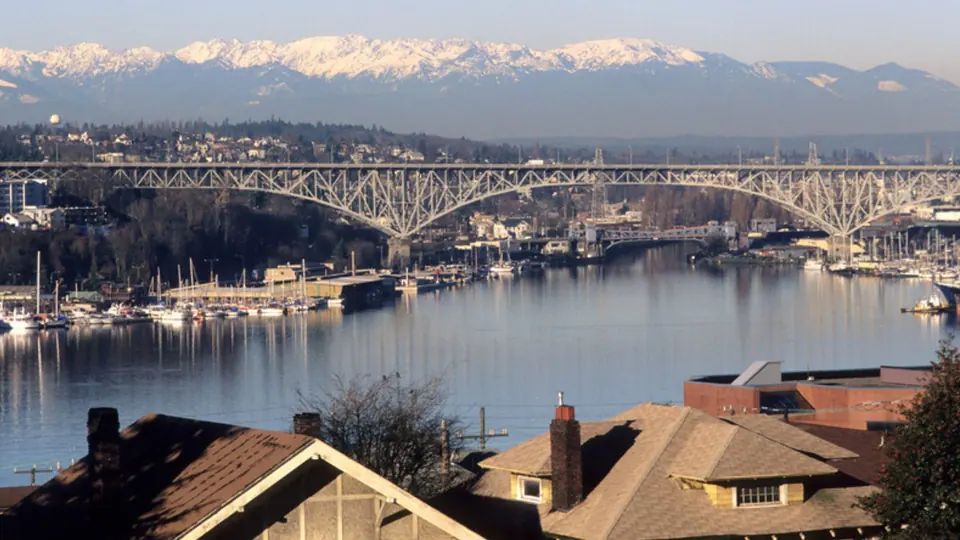
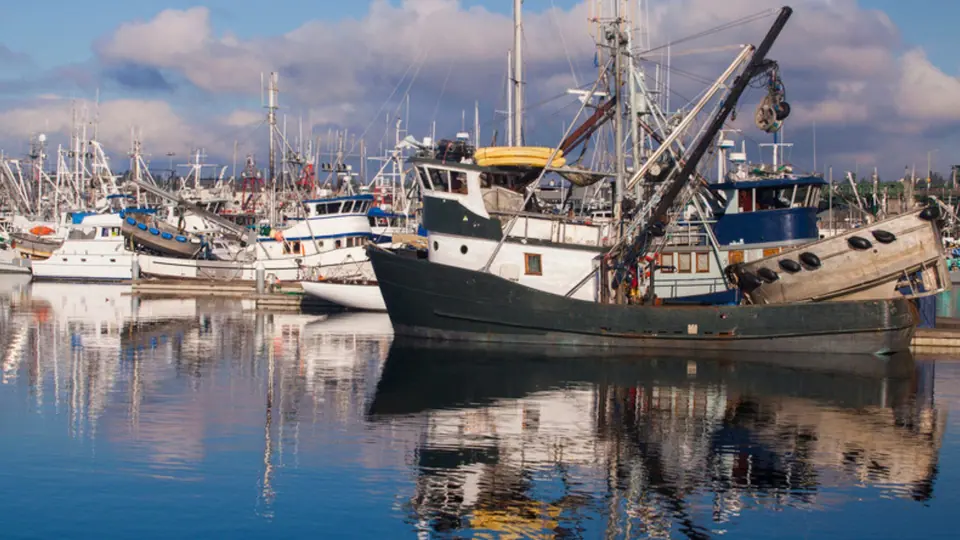
Two bridges frame your visit. The low Fremont Bridge carries Fremont Avenue across the canal, and high overhead the Aurora Bridge carries State Route 99 toward the top of Queen Anne Hill.
Meet the Troll and Fremont's Famous Oddities
Fremont has long called itself the Center of the Universe, and you will spot the claim on a large welcome sign. Its tongue-in-cheek mock Latin motto, De Libertas Quirkas, roughly means freedom to be peculiar, and the public art you find around every corner lives up to that spirit.
The Troll Under the Bridge
Start with the Fremont Troll, the neighborhood's most photographed resident. Crouching beneath the north end of the Aurora Bridge, this concrete figure stands about 18 feet tall and grips a real Volkswagen Beetle in its left hand.
The sculpture grew out of a 1989 Fremont Arts Council contest to find a use for the empty space under the bridge, and it was finished in 1990. Follow Troll Avenue N, the street beneath the bridge that was renamed in 2005, and it dead-ends right at the Troll.
Lenin, a Rocket and a Group Waiting for a Train
Next, stop by the statue of Vladimir Lenin, which still draws debate. It was salvaged from Slovakia after the fall of its Communist government in 1989 by a Washington art lover who had been teaching there, and he paid to move it to Fremont by mortgaging his house.
Nearby, the Fremont Rocket is a converted tail boom from a Fairchild C-119 aircraft, reshaped to look like a missile. Pause at the outdoor sculpture Waiting for the Interurban, another favorite, and keep an eye out for the playful signposts telling you to set your watch back five minutes, forward five minutes or simply throw it away.
Browse the Market, Vintage Finds and Local Shops
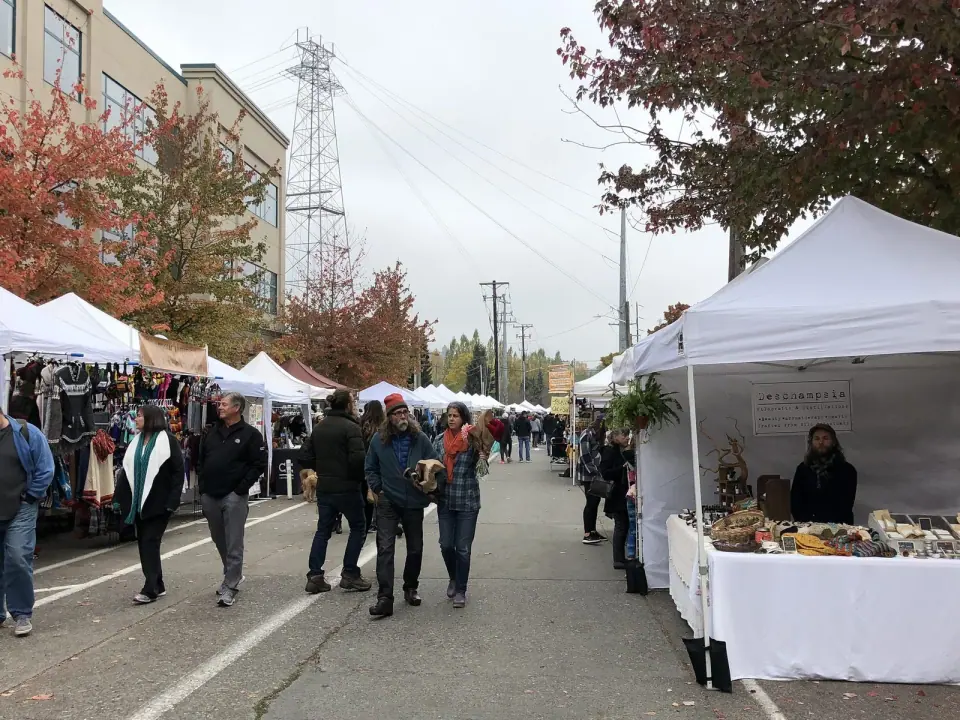
Spend a Sunday at the Fremont Sunday Market, which runs every week year-round in the heart of the neighborhood, at 3401 Evanston Ave N in spring and summer and 701 N Northlake Way in fall and winter, according to the market. Listed hours are 10 am to 4 pm, though schedules can change, so confirm before you go.
Vintage hunters can dig through the Fremont Vintage Mall, an underground shop that is one of several secondhand stores in the area. Book lovers should seek out Charlie's Queer Books, which opened in 2023 and is one of the few all-LGBTQ bookstores in the country.
Fremont is a working neighborhood, too. Brooks Sports, evo and Geocaching HQ are headquartered here, and a number of tech offices line the canal.
Wander the Parks, Gardens and Canal-Side Paths
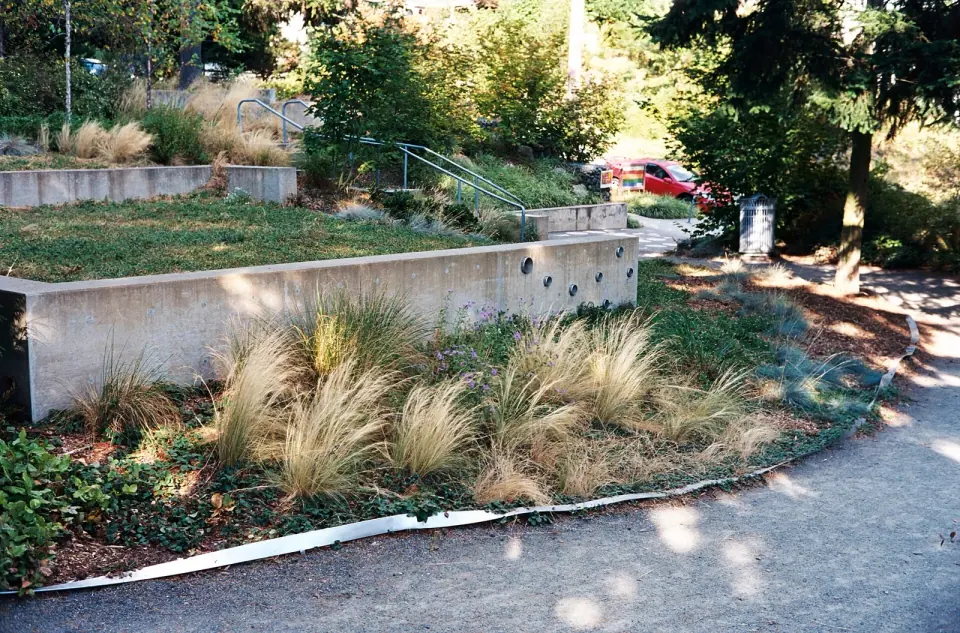
Fremont's green spaces are small but full of character. Take your time drifting between them as you move from the shops to the art.
Fremont Peak Park
Climb to Fremont Peak Park, about half an acre on a bluff just south of N 45th Street. Volunteers did much of the work to build it, and your reward at the top is broad views plus an art path inspired by the myth of the Minotaur and its labyrinth.
Neighborhood Parks and a Community Garden
A.B. Ernst Park sits beside the library and honors Ambrose Ernst, a Fremont resident known as the Father of City Playfields. He served on the Board of Park Commissioners from 1906 to 1913 and helped carry out Seattle's Olmsted parks plan. Ross Playground, at 3rd Avenue NW and NW 43rd Street, and the B.F. Day Playground on Linden Avenue N round out the local options.
For a quieter stop, stroll through the Fremont P-Patch, a 28-plot community garden at N 40th St and Woodland Park Ave N that has been part of the city's P-Patch program since 1995.
Burke-Gilman Trail and Gas Works Park
The Burke-Gilman Trail runs through Fremont just north of the Ship Canal, tracing the route of an 1888 railroad line. Walk or bike east and you soon reach Gas Works Park, a large park on the north shore of Lake Union.
Visit a Library With Deep Roots
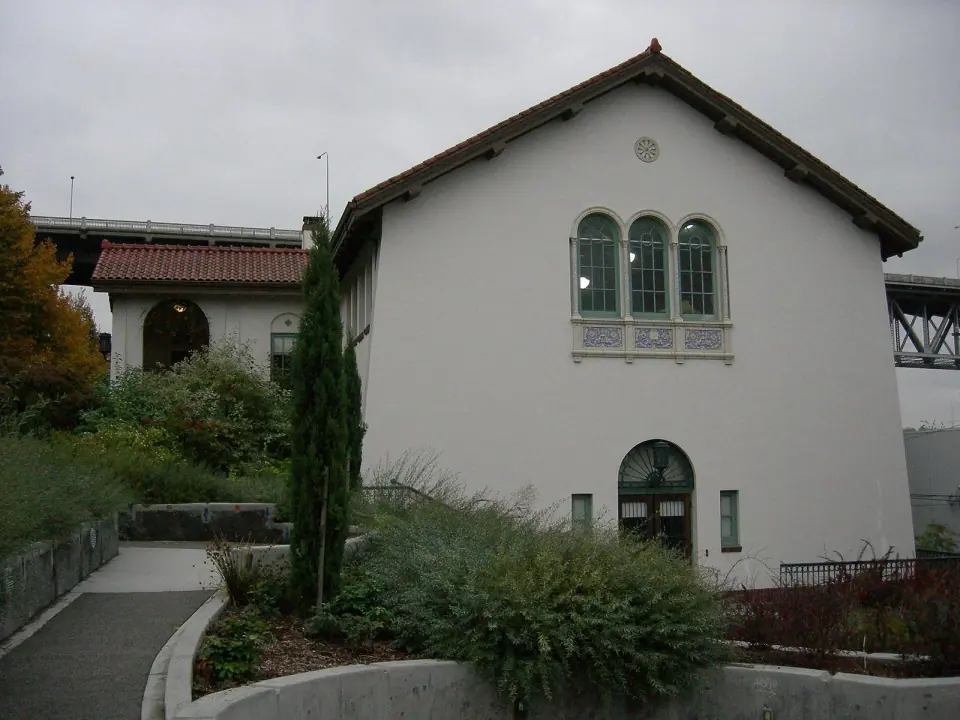
Drop in at the Fremont Library at 731 N 35th St, an official City of Seattle landmark designated in 2003. An informal library existed here before Fremont joined Seattle, and annexation made it the city's first branch library, with the current building dating to 1921.
B.F. Day Elementary, on the same Linden Avenue block as the playground, is another neighborhood institution. Founded in 1892, it is the longest continually operating school in the Seattle school district.
Breweries, Cider and an Active Afternoon
Wind down at one of Fremont's several breweries, with Fremont Brewing among the best known, or head to Schilling Cider House, which pours for the Auburn-based Schilling Cider Company. Brewing runs deep here, since the old Fremont Trolley Barn once housed the Red Hook Ale Brewery.
If you would rather climb than sip, Seattle Bouldering Project added a Fremont location in 2021.
Catch the Festivals That Put Fremont on the Map
The Fremont Arts Council organizes several well-attended annual events. The best known is the Summer Solstice Parade and Pageant, famous for its nude Solstice Cyclists, while Troll-a-ween is another local tradition and the Fremont Fair dates back to 1972. Check with the organizers for current dates, since schedules change from year to year.
How Fremont Became Fremont
Coast Salish people have lived in this area for thousands of years, and traditional fishing sites sat where Fremont stands today. The Fremont Cut began as a small salmon stream linking Lake Union to Salmon Bay, now piped beneath the neighborhood. Later settlers displaced many Native residents and restricted their treaty-protected fishing rights.
Digging on the Fremont Cut started in 1883. Dr. E. C. Kilbourne, Luther H. Griffith and Edward Blewett platted the town in 1888, and the last two named it after their hometown of Fremont, Nebraska. Lumber mills, shingle mills and an iron foundry lined the shore, and Fremont joined Seattle in 1891.
After the Aurora Bridge went up overhead in 1932 and rail and trolley service faded, the area lost favor. Lower rents drew artists and students in the 1960s, turning Fremont into a countercultural hub sometimes nicknamed the People's Republic of Fremont. Gentrification began in the 1990s, and tech firms followed, starting with Adobe in 1998.