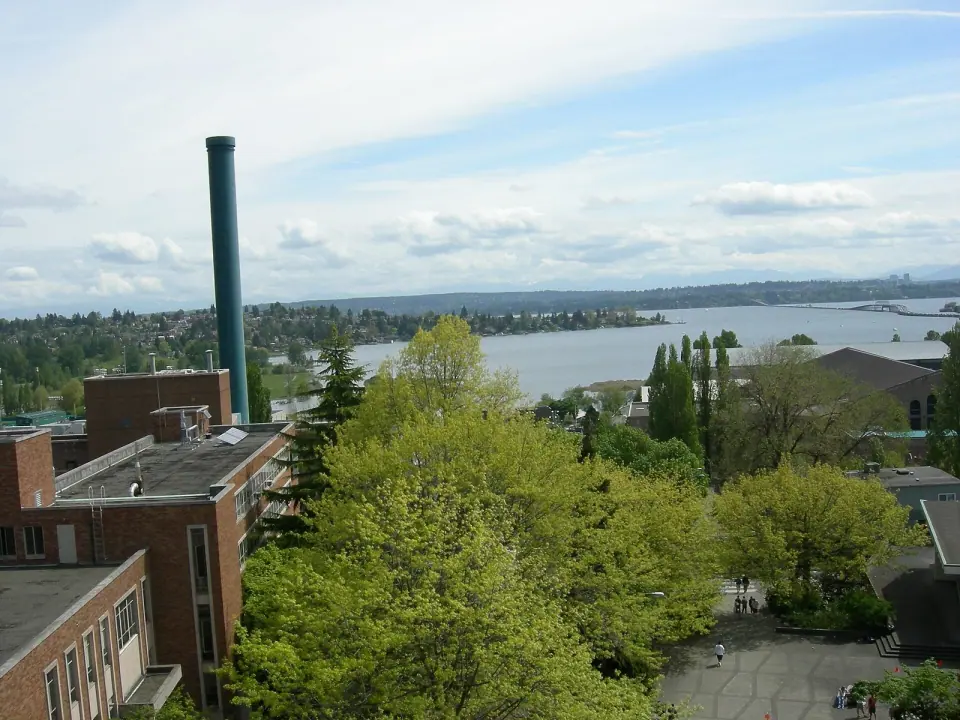
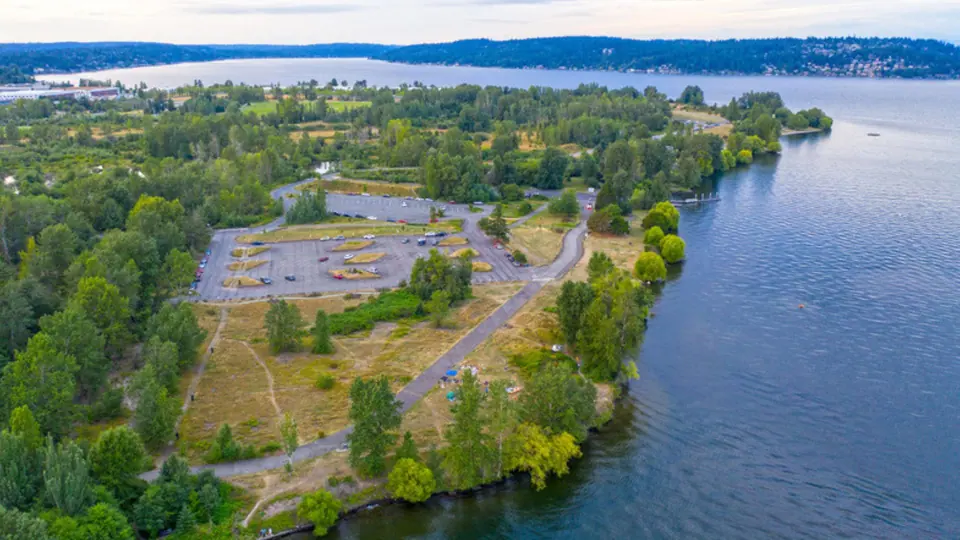
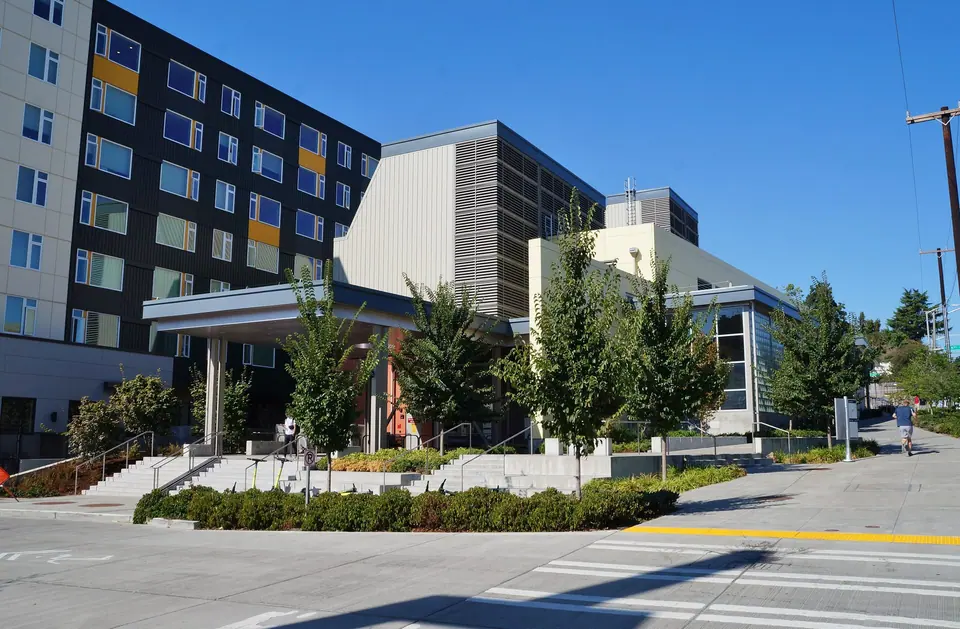
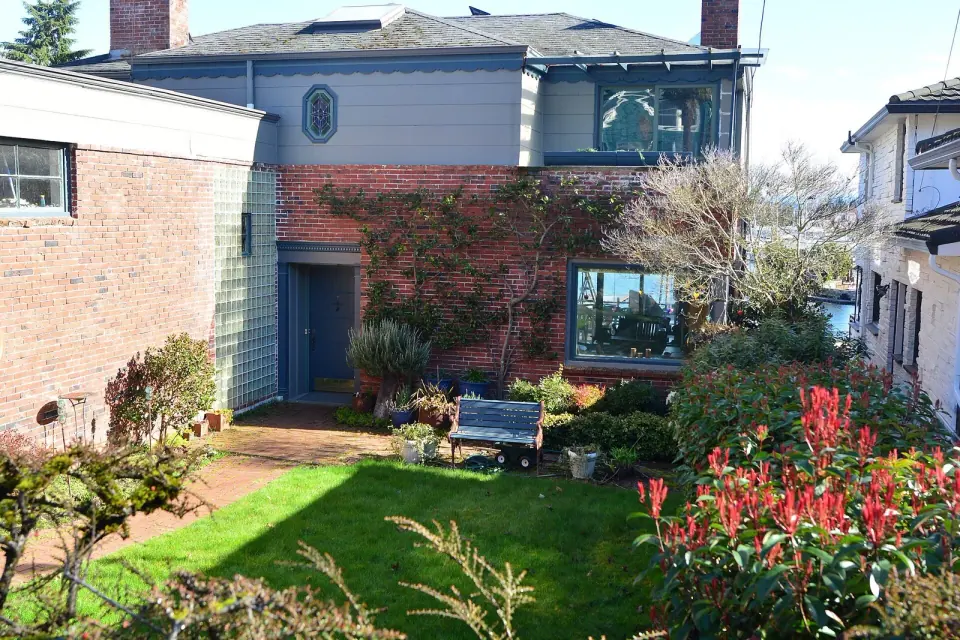
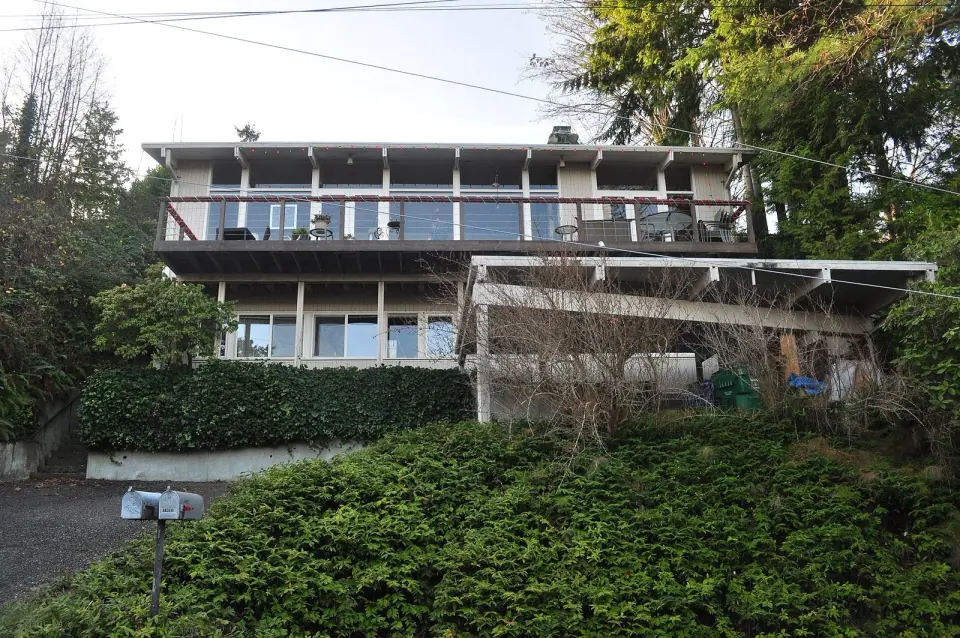
That setting shapes the whole feel of the place. You are close to the campus and the shopping around University Village, yet the streets themselves stay calm and residential. Laurelhurst also ranks among the priciest parts of the city, with a median home price of about $1,649,000 as of September 2018, more than double the citywide median at that time.
Skip the Theatre Search and Start at the Community Center
You will not find Laurelhurst revolving around a stage or a main street lined with shops. Neighbors meet instead in a handful of shared spaces, and the most important of them holds official landmark status.
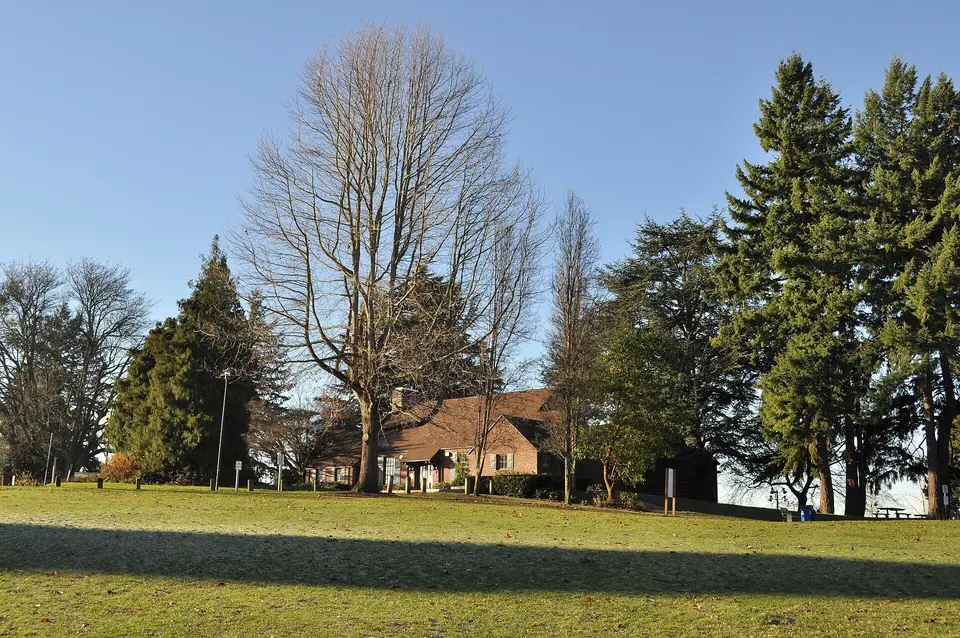
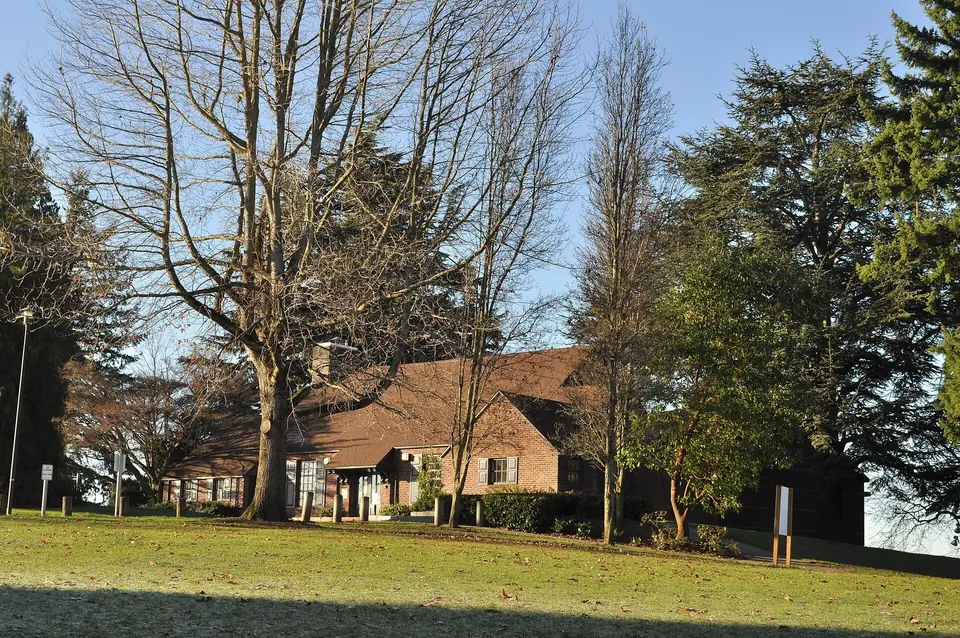
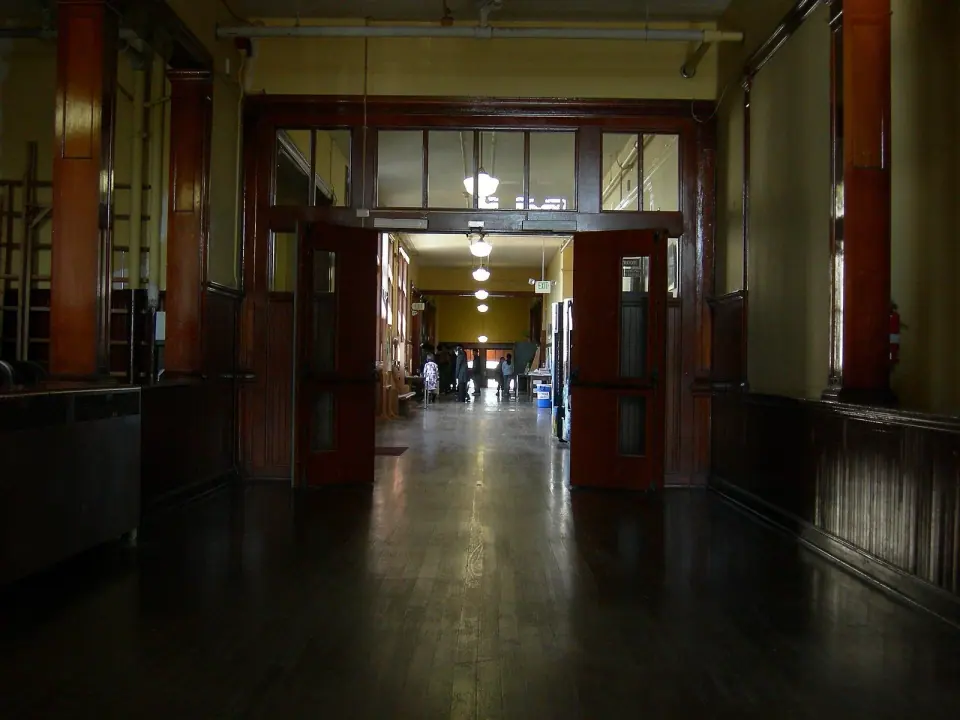
Laurelhurst Community Center, a city landmark
Make the Laurelhurst Community Center on NE 41st Street your first stop. This designated City of Seattle landmark is one of the neighborhood's main gathering spots, which makes it the natural place to get a sense of local life. Programs and hours can change, so check with Seattle Parks and Recreation before you go.
Laurelhurst Playfield next door
Step right next door to Laurelhurst Playfield, a Seattle Parks and Recreation site with a surprising past. The Laurelhurst Improvement Club bought the land in 1927 and donated it to create the park. During World War II, the U.S. Army used the field for barracks and an anti-aircraft gun.
The Laurelhurst Beach Club
The neighborhood is also home to the Laurelhurst Beach Club, a private club rather than a public beach. It started in 1923 as part of the improvement club and went independent in 1928. Its story, told further down, is one of the more meaningful civil rights chapters in this corner of Seattle.
Smaller places worth knowing
Keep an eye out for a few more names from city records: Laurelhurst Triangle, Belvoir Place and the former Battelle Research site, later known as the Talaris Conference Center. Battelle Memorial Institute opened its Seattle Research Center here in 1967, a sign of how the area grew beyond homes after the war.
Duwamish Roots and Early Settlement
Long before any houses went up, this shoreline belonged to the Duwamish people, who lived around present-day Laurelhurst for thousands of years. The peninsula served as a seasonal campground, and many places here carried names in Lushootseed.
Duwamish places on the peninsula
Near today's University Village, on Ravenna Creek, stood the town of sɬuwíɬ, meaning Little Canoe Channel, with at least five longhouses and a large fishing weir. On Union Bay, a cove called ádid served as a campsite and a gathering place for the game of sləhal.
The tip of the peninsula was known as šabʔaltxw, or Drying House, and later Whiskey Point. Farther north, a cliff shoreline was a place to harvest white clay. Settlers arriving in the 1850s pushed many Duwamish off the land through legal tactics and violence, though many Native communities stayed and traded with the newcomers.
Mills, railroads and a town called Yesler
Settlers started claiming the forested peninsula in the 1860s, and rowers from Madison Park turned it into a popular destination. A road replaced the old trail in 1871, and by 1887 the Seattle, Lake Shore and Eastern Railroad served the area.
In 1888 Henry Yesler opened a lumber mill on Union Bay, on the spot where the University of Washington's Urban Horticulture Center now stands. A mill town named Yesler was laid out for workers that same year. The mill burned in 1895, and a later shingle mill on the site burned in the 1920s.
How Laurelhurst Got Its Name and Shape
The name came about between 1906 and 1909, when the McLaughlin Realty Company pieced together land from farms and estates. It pairs the laurel plant with hurst, an old English word for wood. The developers brought in water, power and sewers but never secured a streetcar, so growth started slowly.
Some early families lived in tents, cabins or garages while they built their homes. A launch ferry ran to Madison Park, and residents even ran their own bus to the University District using a Ford. Seattle annexed Laurelhurst in 1910.
Two big projects reshaped the neighborhood. The Lake Washington Ship Canal, finished in 1916, lowered the lake and created new land along Union Bay, and in 1925 the Montlake Bridge gave Laurelhurst a major new link to the rest of the city.
Segregation and the fight against it
Like many Seattle neighborhoods, Laurelhurst used racial restrictive covenants to keep people of color from buying or renting homes, mostly between 1925 and 1950. In 1933 the community club formed a committee to push residents into signing them.
After redeveloping its beach in 1939, the beach club banned new Jewish members. Residents and the Anti-Defamation League protested for years, and in 1955 Sam Tarshis led an investigation with Jewish neighbors. In 1956 the club's board voted unanimously to bar discrimination based on race, religion, creed or color.
After the War: A Hospital, Research and a First for Washington Wine
A housing shortage in North Seattle after World War II brought apartments and affordable housing to Laurelhurst. The University of Washington also built homes for the families of veterans studying on the G.I. Bill, despite protests from some existing residents.
Wine lovers will enjoy this chapter. In 1952 Lloyd S. Woodburne began making wine at his Laurelhurst home for a group that became Associated Vintners, the first Washington winery to produce wines from vitis vinifera grapes, giving this quiet neighborhood a real place in the state's wine story.
Children's Orthopedic Hospital, now Seattle Children's, moved here from Queen Anne in 1953 to sit near the university's medical and dental school. Neighbors protested, and the hospital made concessions. The relationship between the hospital and residents still comes up regularly as a local topic.
Schools and Two Notable Teachers
The neighborhood is home to Laurelhurst Elementary School, the independent Villa Academy, the Wu Hsing Tao School and the Seattle Midwifery School. Laurelhurst Elementary holds a notable place in the city's education history.
Thelma Dewitty, the first Black teacher in Seattle Public Schools, taught there and opened up access to supplies and lunchroom seating. In 1976 the district assigned Aki Kurose to the school, where she faced scrutiny over her race and at first taught with two parent observers in her classroom.
Planning Your Time in Laurelhurst
Think of Laurelhurst as a place for a slow walk rather than a checklist of attractions. Begin at the landmark community center and the playfield beside it, then let the waterfront setting and the neighborhood's history shape the rest of your visit.
- Getting oriented: Use Seattle Children's Hospital in the northwest corner and University Village just beyond as handy reference points.
- Public spaces: Seattle Parks and Recreation runs the playfield and community center, so check with the city for current hours and programs.
- Private spaces: The beach club is for members only, so plan on the public parks for your time outdoors.