Walk the Ravine: Ravenna and Cowen Parks
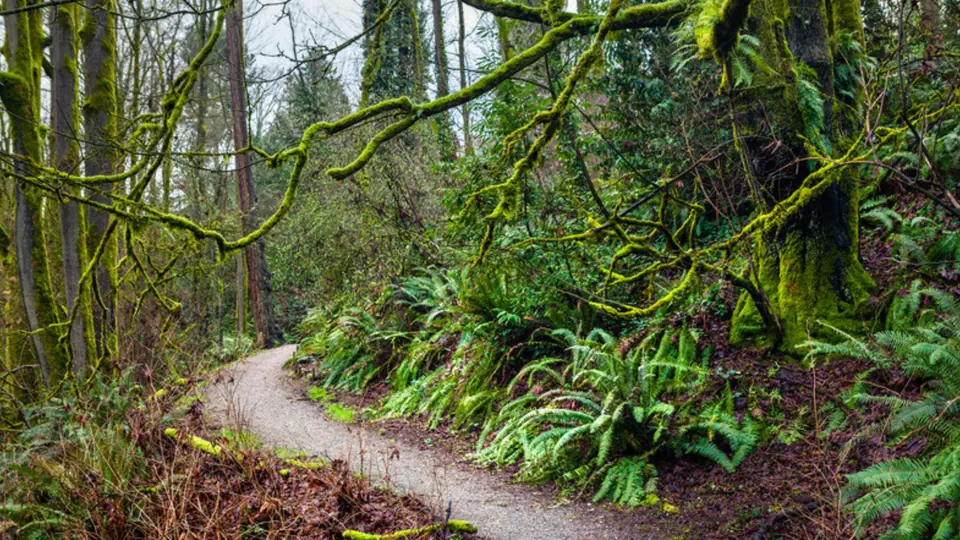
Head into Ravenna Park, a half-mile ravine carved by glacial meltwater, where Ravenna Creek runs along the floor. At its western end it meets Cowen Park, and together the two make up the green centerpiece of the neighborhood. This combined parkland stretches from near the creek's source by Brooklyn Avenue and Ravenna Boulevard, under the 15th Avenue bridge, and east to 25th Avenue NE.
Trails, bridges and play areas
Here the wild and the practical sit side by side. Follow shaded trails along the creek beneath two historic bridges, then come up to the flatter areas for a wading pool, a ballfield and tennis courts. Families will find plenty to do, and walkers can settle into a quiet loop under tall trees.
The car-free 20th Avenue NE bridge
Since 1975, 20th Avenue NE has been closed to motor vehicles where it crosses the ravine. Walk or bike across the old bridge, now a favorite route for both, and gaze down into the treetops below. Short on time? This crossing is one of the simplest ways to get a taste of the park.
A lost forest and a returning creek
For decades, loggers and farmers left the ravine alone, so it kept a stand of enormous old-growth trees. Those giants were shown off during the Alaska-Yukon-Pacific Exposition, then vanished under suspicious circumstances by 1926. Their loss became a rallying point that helped save Seward and Carkeek parks and has fueled conservation work in Seattle ever since.
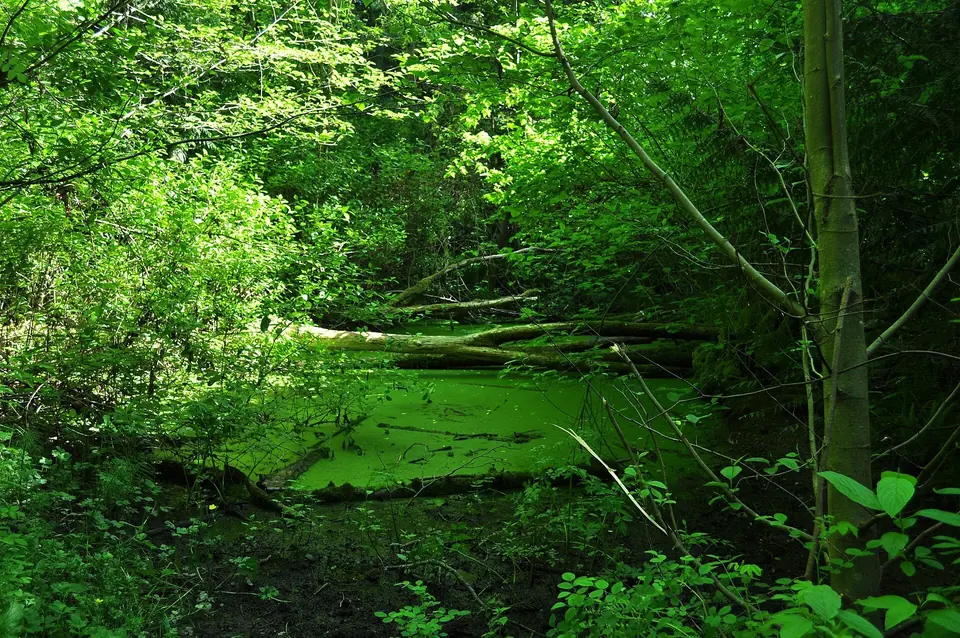
Restoration now leads the story. Volunteers and partners have daylighted stretches of Ravenna Creek, built and maintained trails and restored streamside habitat, sometimes alongside the University of Washington's environmental science program. The bigger goal of opening the creek all the way to Union Bay and bringing back fish runs has met disputes with nearby property owners.
From Duwamish Homeland to Streetcar Suburb
People have lived here since the end of the last ice age. Before Euro-American settlement, this land was part of the homeland of the Duwamish, one of the Coast Salish nations. Their village on nearby Union Bay carried a name meaning portage, and the forested wetland that became Ravenna served as a travel corridor and a vital backyard.
William Wirt Beck's planned community
A railroad reached the district around 1886, and if you ride or walk the Burke-Gilman Trail, you are following its old route. In 1890, entrepreneur William Wirt Beck platted roughly 400 acres here and opened the Seattle Female College in his home, which still stands a few blocks east of the park. He also helped start a flour mill company that built King County's first grist mill, and he set aside the old-growth ravine that became the park.
Boulevards, annexation and a new shoreline
In 1891 a streetcar began running along today's University Way NE, tying the young suburb to downtown. The Olmsted Brothers folded Ravenna Boulevard into their citywide parks plan in 1903, giving the neighborhood its signature diagonal greenway. Ravenna became a town in 1906 and joined Seattle a year later.
When the Montlake Cut opened in 1916, it lowered Union Bay and exposed mudflats that were filled over the following decades. The southern end of that new land became University Village, an open-air shopping center that opened in 1956 and now holds many of the area's businesses.
Local Traditions and Long-Running Favorites
Spend a little time at a few places that have outlasted generations of change, and you will get a feel for Ravenna's character.
- Candy Cane Lane: Every December since 1951, residents of Park Road have staged an elaborate lights display. Evening traffic gets heavy, so walking in is often easier than driving.
- Queen Mary Tea Room: Settle in for Victorian-style afternoon tea, a fitting stop after a morning in the park.
- The Duchess Tavern: Open since 1934, it ranks among the neighborhood's oldest gathering spots.
- A Ravenna Boulevard corner grocery: A neighborhood store has been doing business on the boulevard since the 1920s.
Hours can change, so check with each business directly before you go.
Find Your Way Around
Ravenna's edges shift a little depending on who you ask. Roughly, it runs from 15th and 20th Avenues NE in the west to 25th and 35th Avenues NE in the east, and from Ravenna Boulevard and NE 45th Street north to NE 75th and 85th Streets. Roosevelt, Maple Leaf, Wedgwood, View Ridge, Windermere and Laurelhurst surround it, and the area to the east often goes by Ravenna-Bryant.
Main streets and bike routes
25th Avenue NE serves as the main arterial, while 15th Avenue NE, 35th Avenue NE and NE 65th Street carry lighter traffic. Pedal Ravenna Boulevard, a signed local bikeway, for a pleasant ride between the park and the University District. Pair it with the 20th Avenue NE bridge for a low-traffic route across the ravine.
A library base on the east side
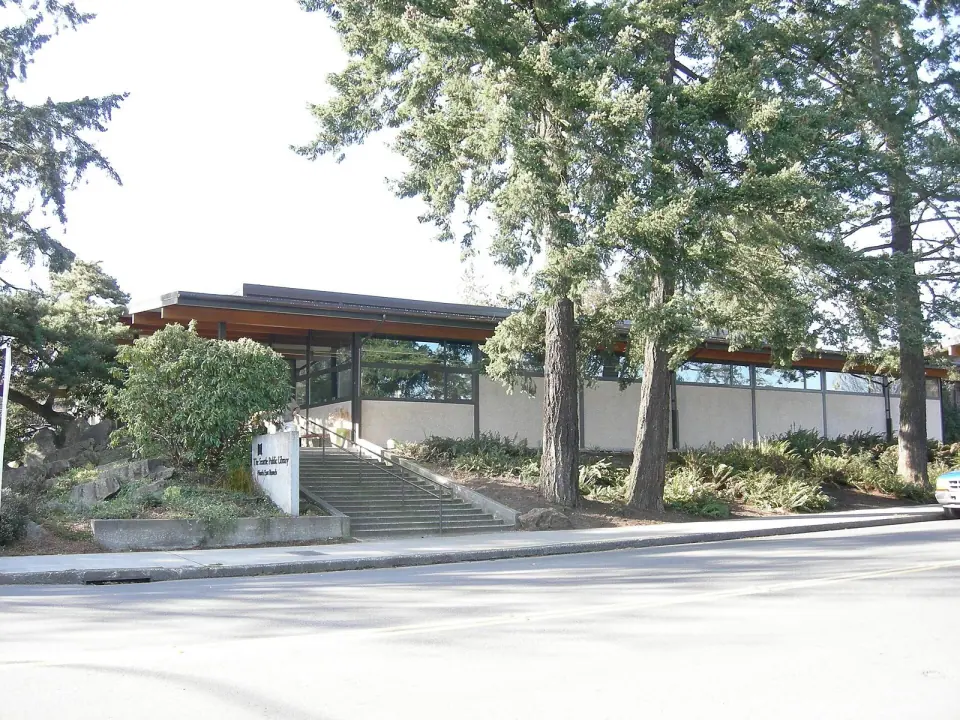
Start a neighborhood stroll at the Northeast Branch of the Seattle Public Library, at 6801 35th Ave NE. Parks, playfields and several city landmarks, including Bryant Elementary School and Fire Station 38, are all within a short walk.