The Spring at the Heart of Licton Springs, Seattle
The name comes from líq’tәd, said roughly as LEEK-tuhd, a Lushootseed word for the reddish mud found at the springs. Coast Salish people came here for spiritual healing over thousands of years, a practice reaching back to the period after the last glacial age, around 10,000 years ago.
Among those who gathered at the springs were the People of the Inside and the People of the Large Lake, communities that became the Duwamish tribe known today in the 1850s. Carry that story with you and the small park takes on new meaning: it is a cultural site first and a neighborhood green space second.
Seattle's first Native cultural landmark
In October 2019, the City of Seattle designated the spring and its surrounding park a city landmark, the first Native cultural site in Seattle to earn that status. The recognition marked a long overdue acknowledgment of what the spring means to the region's first peoples.
Exploring the park today
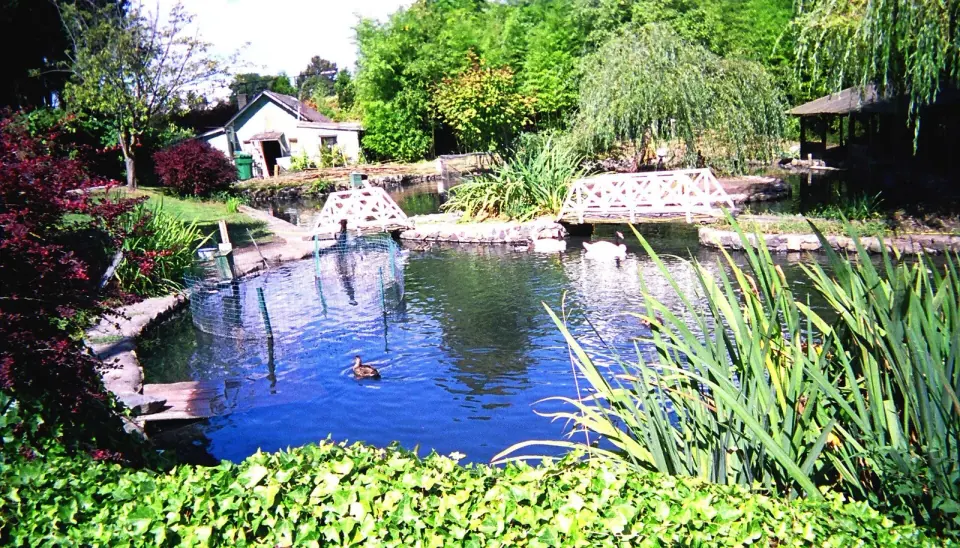
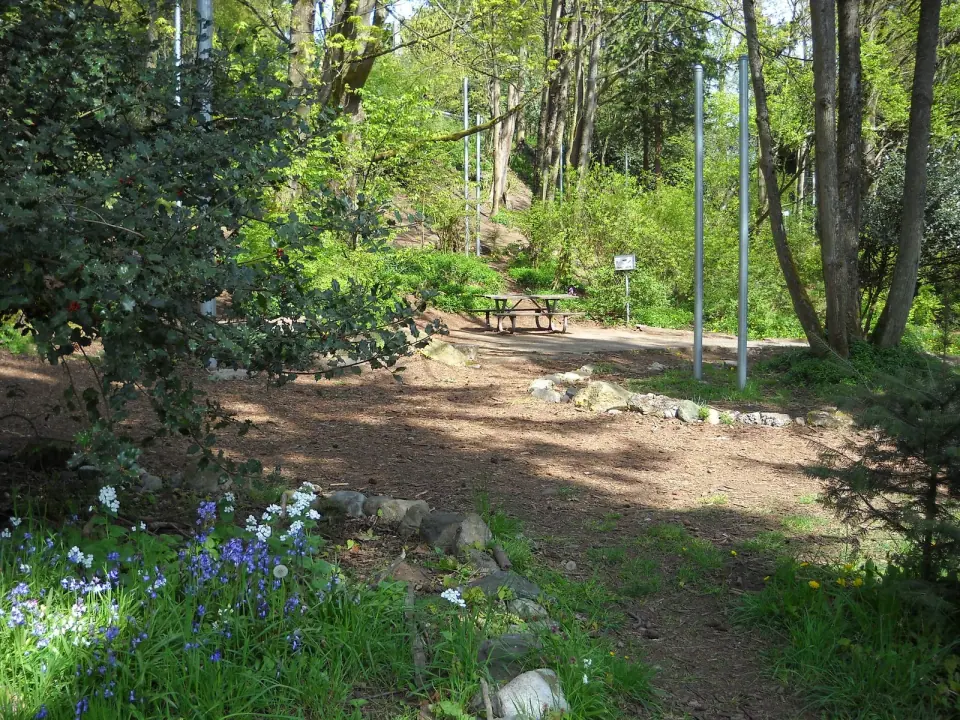
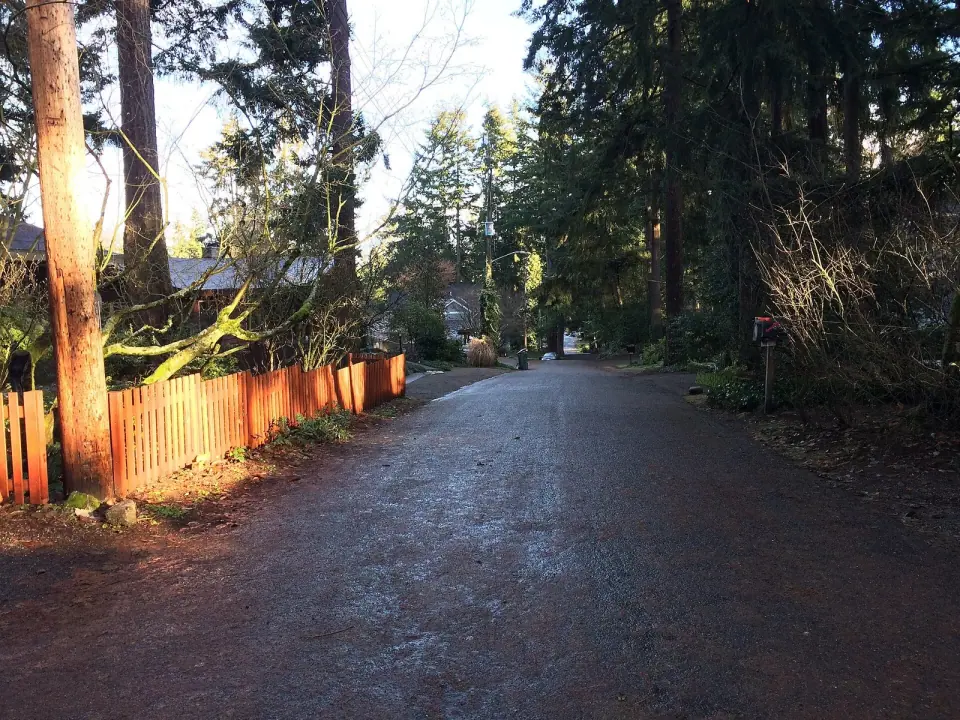
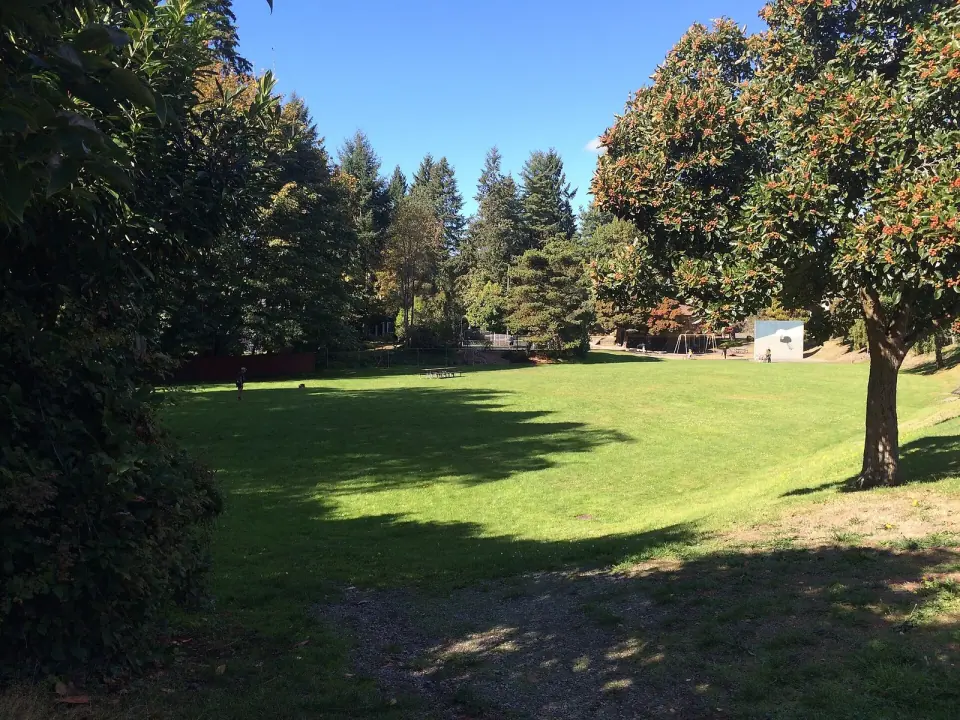
Make your way to Licton Springs Park at 9536 Ashworth Ave N, near the spot where Woodlawn Avenue curves to meet N 95th Street, and stroll to the north end to find the spring itself. Restoration began in the mid-1960s, paid for by bond measures and carried forward by a growing circle of volunteers.
Their work shaped the small pond, the native wetland plantings and the everyday park amenities you see now. An Olmsted Brothers design planned in the 1930s was never built, so this is a landscape made by community effort rather than a grand city scheme. Please treat the spring area with care while you are here.
From Summer Cabins to Auto Courts
Settler history begins around 1870, when Seattle pioneer David Denny built a summer cabin near the springs, back when the water flowed toward Green Lake. As homes spread across the area, the spring became contaminated, and it was capped and diverted into the sewer system in 1920 and 1931.
Trolleys and a highway
Picture the Everett and Interurban Railway, which ran past the neighborhood from 1906 until 1936. Its trolleys cut a narrow path through backyards, homes grew up around the stops, and in the early days the line passed logged forest and farmland while hauling lumber from a few sawmills along the route.
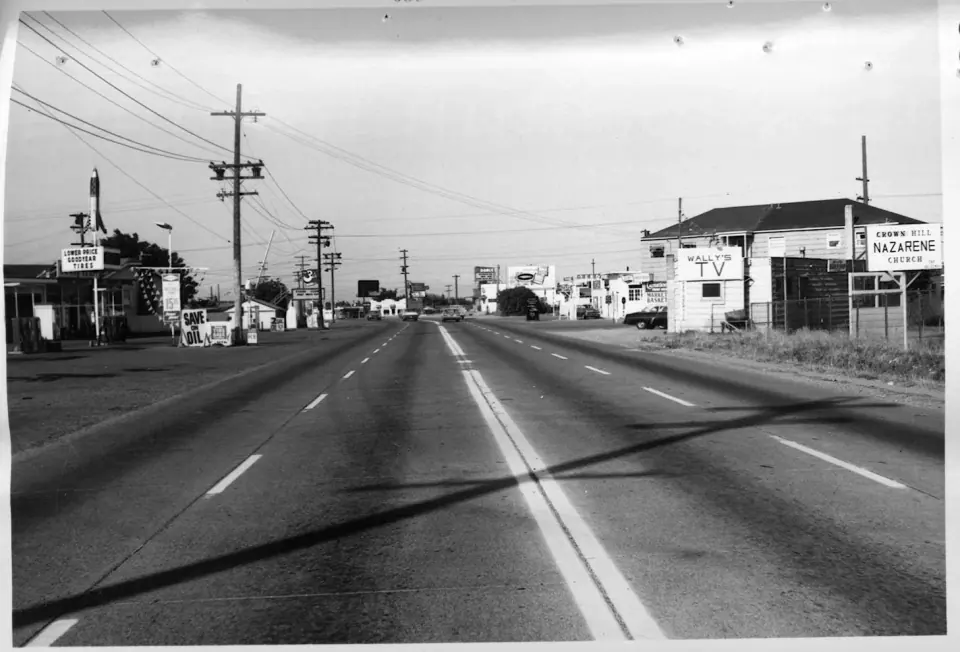
A rough wagon road nearby was paved with brick in 1913 and asphalt in 1928, and by 1930 it had become Aurora Avenue N. Travelers stopped at tourist camps and auto camps, which grew into auto courts and then the motels the corridor is still known for.
Farms, greenhouses and a painful chapter
The Pilling family ran a dairy farm here from 1909 to 1933, and that land later became Pilling's Pond, known as waterfowl habitat and a spot for birders. Japanese American families also tended greenhouses and small farms until they were forcibly removed during World War II internment, beginning in 1942.
Seattle annexed most of the north end, including this area, in 1954. Native presence carried on through the Indian Heritage School at Wilson-Pacific, which became known for pow wows and large murals by artist Andrew Morrison.
Gardens, Ponds and Creek Headwaters
Beyond the landmark park, the neighborhood rewards anyone curious about urban nature. Several green spaces sit within a short walk of each other, so you can easily plan a loose loop.
Licton Springs P-Patch
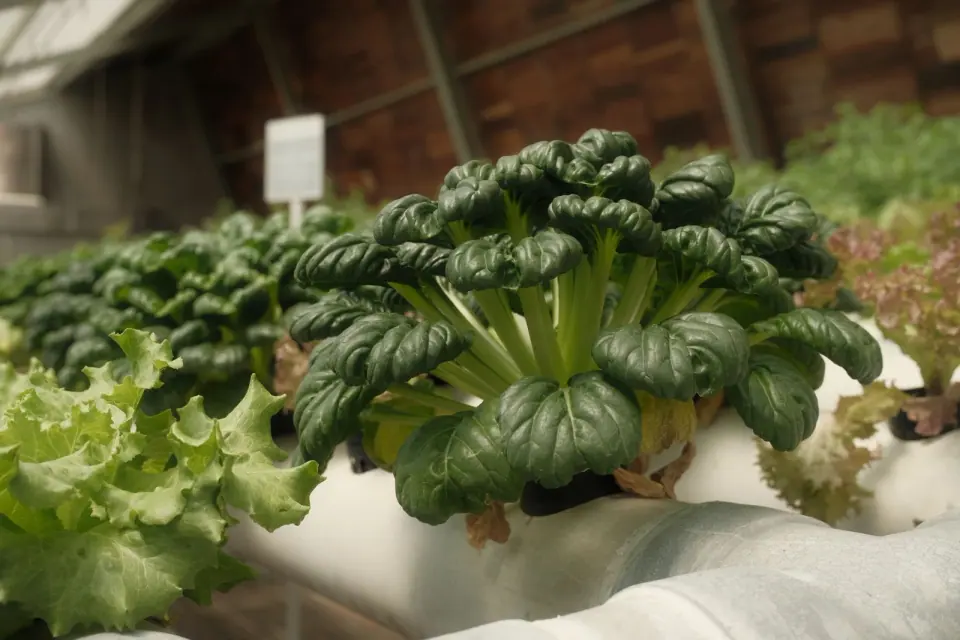
Browse the plots at the Licton Springs P-Patch, a city community garden at College Way N and N 92nd St. Established in 2014, it spreads across about 15,000 square feet with 67 plots, and you are welcome to see what neighbors are growing, while plot availability runs through the city's P-Patch program.
Mineral Springs Park
Continue north to Mineral Springs Park at 1500 N 105th St. It sits close to several other parks and the Northgate Branch of the Seattle Public Library, so it pairs nicely with an errand or a library stop.
Thornton Creek and the college wetlands
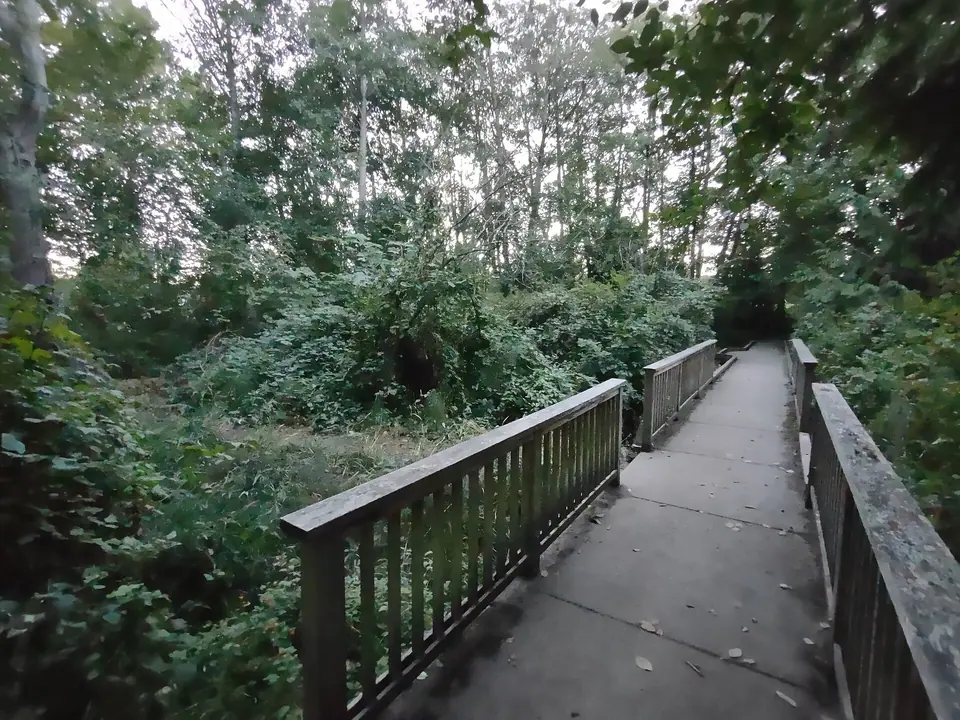
The neighborhood belongs to the Densmore Drainage Basin. Springs near the North Police Precinct and North Seattle College feed the south fork of Thornton Creek, which slips through culverts under I-5 toward Northgate.
Spend some time on the college grounds, home to a nationally recognized native habitat. The land was once a bog where Native people harvested cranberries, then a dairy farm, then a 1940s suburb, and its restoration reflects ongoing work by neighborhood activists and the college to bring native species back.
Planning Your Visit
Licton Springs is a quiet place to explore on foot, especially when you begin at the landmark spring and wander outward. Keep these pointers in mind:
- Start at the spring: Licton Springs Park offers the clearest introduction to the neighborhood's story.
- Add a garden stop: The P-Patch is a short walk away near College Way N.
- Head north for more green space: Mineral Springs Park and the Northgate library sit close together.
- Check current details: Park rules, hours and any events can change, so confirm with Seattle Parks and Recreation before you go.
Arrive with a sense of respect. Few Seattle neighborhoods hold a living history this long, and the spring still matters to the people whose ancestors gathered here.