Parks, Creeks and Open Space
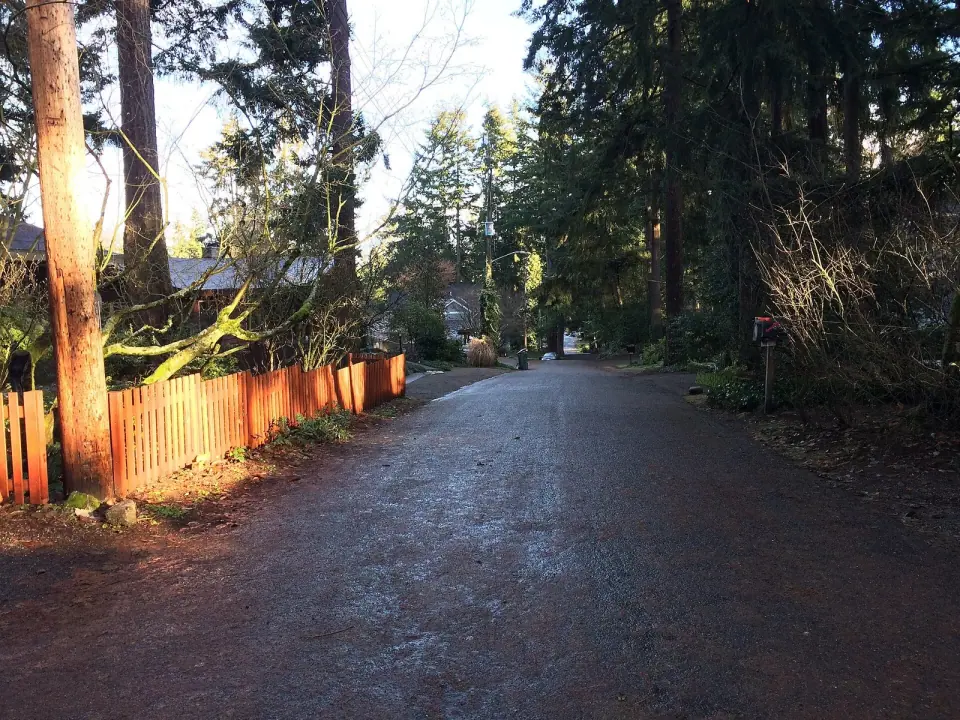
For a neighborhood of mostly homes and side streets, Pinehurst gives you a surprising amount of room to breathe. Much of that space ties back to Thornton Creek, which winds through this part of the city on its way toward Lake Washington.
Neighborhood parks and the Green Grid
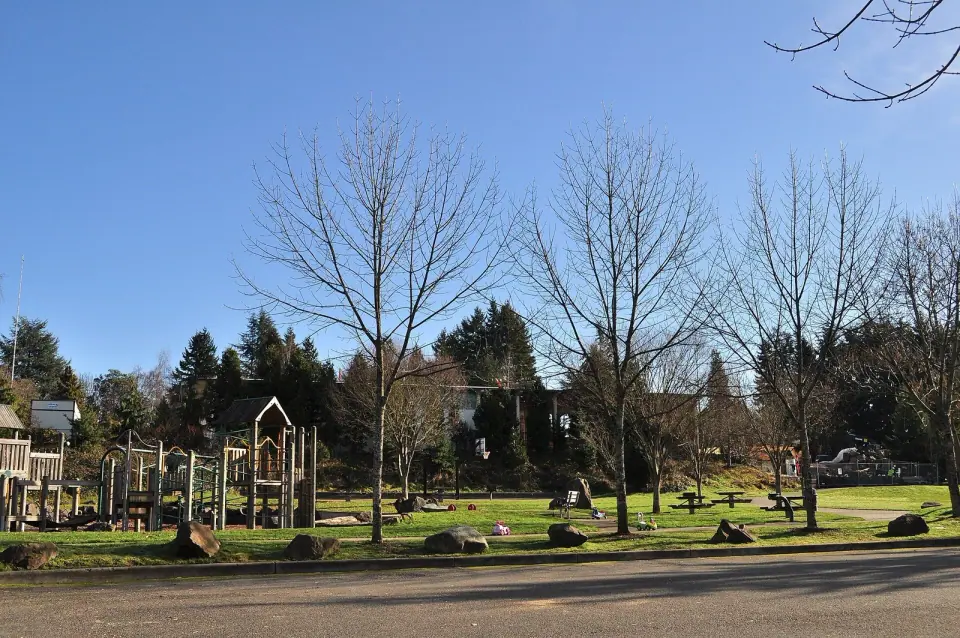
Head to Pinehurst Playfield or Pinehurst Pocket Park, the two neighborhood parks, for a quick game or a short break outdoors. City records also list Pinehurst Playground and Victory Creek Park in the area.
Take a look at the Pinehurst Green Grid, a model natural drainage system right here in the neighborhood. If you have ever wondered how a street could handle stormwater more like a landscape than a pipe, this is a good place to see it.
Thornton Creek and natural areas
Jackson Park and Thornton Creek Park #1 border the neighborhood to the north, and the Licorice Fern Natural Area on Thornton Creek adds another patch of creekside green. Before you set out, check with Seattle Parks and Recreation for current access and details.
Two Long-Running P-Patches
Pinehurst has deep roots in Seattle's community garden program. Both of its P-Patches date to the 1970s, placing them among the older gardens in the north end.
Pinehurst P-Patch
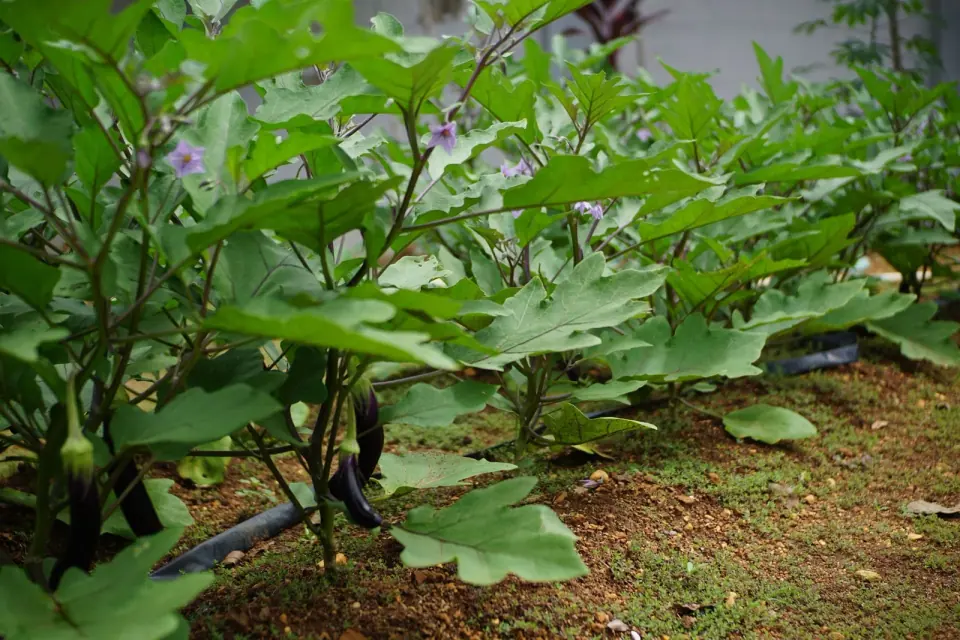
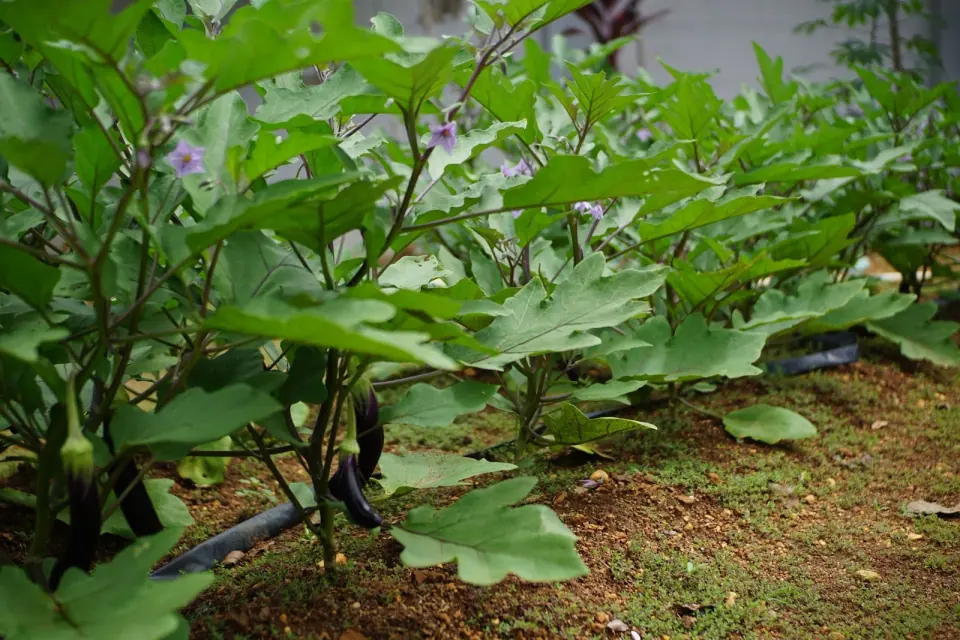
Stop by the Pinehurst P-Patch at 12th Ave NE and NE 115th St, a small, close-knit space where 17 plots fill about 5,000 square feet. Gardeners have been tending this ground since 1976.
Jackson Park P-Patch
Continue north to the Jackson Park P-Patch at NE 133rd St and 10th Ave NE, a considerably larger garden with 51 plots and a history of gardening that stretches back to 1974. Plot availability changes, so check with the City of Seattle P-Patch program if you hope to sign up.
Tee Off at Jackson Park
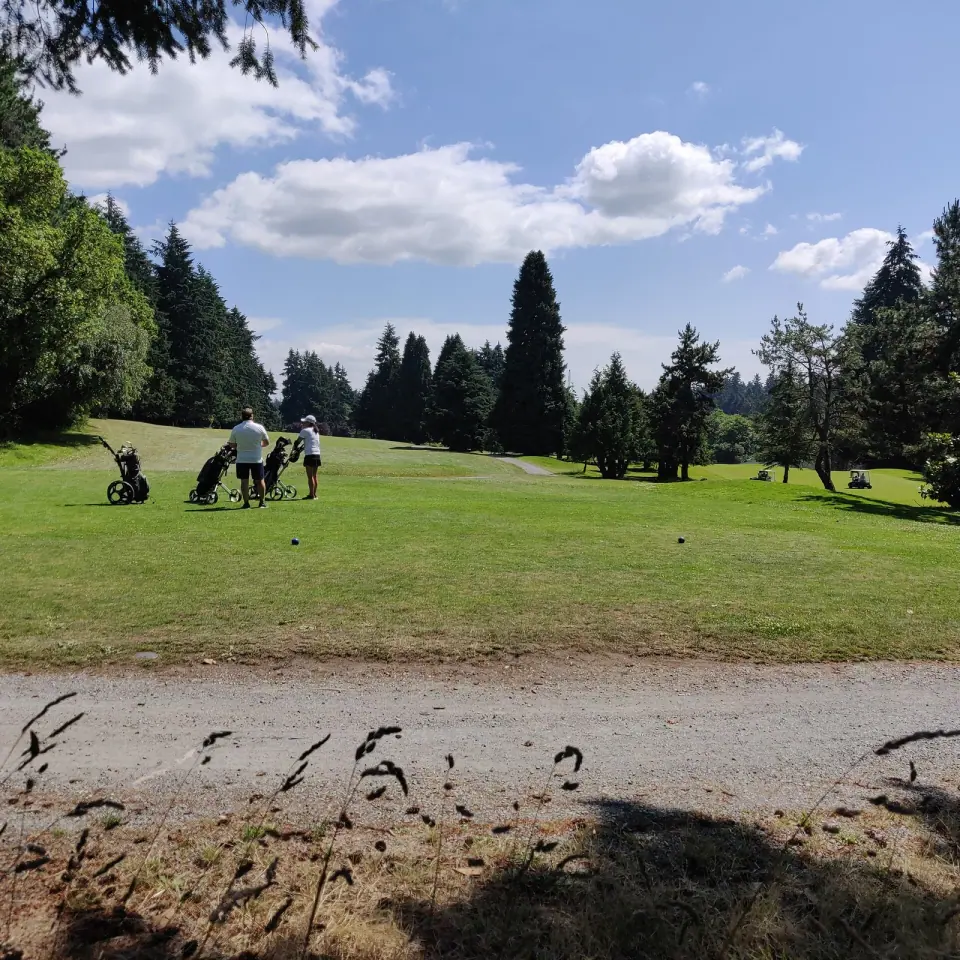
Spend a morning at Jackson Park Golf Course, where golfers have been teeing off since 1928, giving it real history in the north end. This public course offers an 18-hole layout, a nine-hole par three and a driving range.
Beginners, or anyone short on time, will find the par three a friendly option for a quick session. Thornton Creek runs right through the course, bringing water and greenery into your round. Confirm current tee times and rates with the course before heading out.
From Coast Salish Village Sites to Postwar Suburb
Behind the quiet streets lies a layered past. Coast Salish people have lived across the Seattle area for thousands of years, and Thornton Creek was central to life here.
At the creek's mouth on Lake Washington stood a village called dxwx̌úbəd, meaning Silenced or Quieted Place, while the creek valley near today's Northgate was known as ɬuq̓ʷqid, or Bald Head. Duwamish people fished the creek and may have gathered highbush cranberries and marsh tea nearby.
Little Germany and the first roads
After the 1870s, German immigrants settled near Thornton Creek and cleared forests and bogs for farms, earning the area the nickname Little Germany. Paving of Bothell Road, now Lake City Way, through the 1910s opened the area to cars.
Developers subdivided farmland in Pinehurst, Chelsea and Kenwood in 1913. Lake City Way grew into a nightlife and tourist strip, yet Pinehurst stayed largely agricultural until World War II ended, when young families poured in and the farms gave way to suburbs.
Joining Seattle
When the town of Lake City incorporated in 1949, Pinehurst was part of it. Northgate Mall opened in 1950 and drove fast growth, quickly filling local schools. The Northgate area joined Seattle in 1952, and the rest of Pinehurst up to 145th followed in 1954.
Pinehurst Primary School opened in 1950 and, starting in 1984, housed Seattle's Alternate School #1, a school known for hands-on learning. In 2013 it merged with the city's Native Heritage program and became Licton Springs K-8.
Covenants and a changing community
Early developers used racial restrictive covenants to keep people of color from buying or living here, and one covenant in southeast Pinehurst covered more than 400 properties. The Fair Housing Act banned such covenants by 1968, though discrimination by real estate agents lingered.
Over time the neighborhood grew more diverse. By 1982, many Korean Americans in the region lived on the city's edges, including Pinehurst. Refugees from Ethiopia, Eritrea and Somalia settled here in the 1990s and 2000s, and by 2010 about 6% of residents spoke an African language.
Light Rail, Housing and What Comes Next
Catch the train at Pinehurst station, the neighborhood's biggest recent change: a Link 1 Line stop at 130th Street near I-5. Voters approved it in 2016 as one of three infill stations, and it connects you with buses toward Haller Lake, Bitter Lake and Lake City. Check the transit agency for current service.
If you are searching for apartments or shopping in Pinehurst, keep an eye on this area. Property prices climbed through the 2010s, and commercial buildings along 15th were often replaced with larger ones. Around 2025, the city's comprehensive plan update proposed an Urban Center near the station, with taller buildings and more room for shops and restaurants.
Making the Most of Your Visit
- Pair green spaces: play a round at Jackson Park, then stroll past the nearby P-Patch, all in a single morning.
- Follow the creek: let Thornton Creek guide you between the golf course, the natural areas and the neighborhood's deepest history.
- Use the train: ride to the 130th Street station and reach Pinehurst far more easily without a car.
- Respect the gardens: individual gardeners tend each P-Patch plot, so look but do not pick.