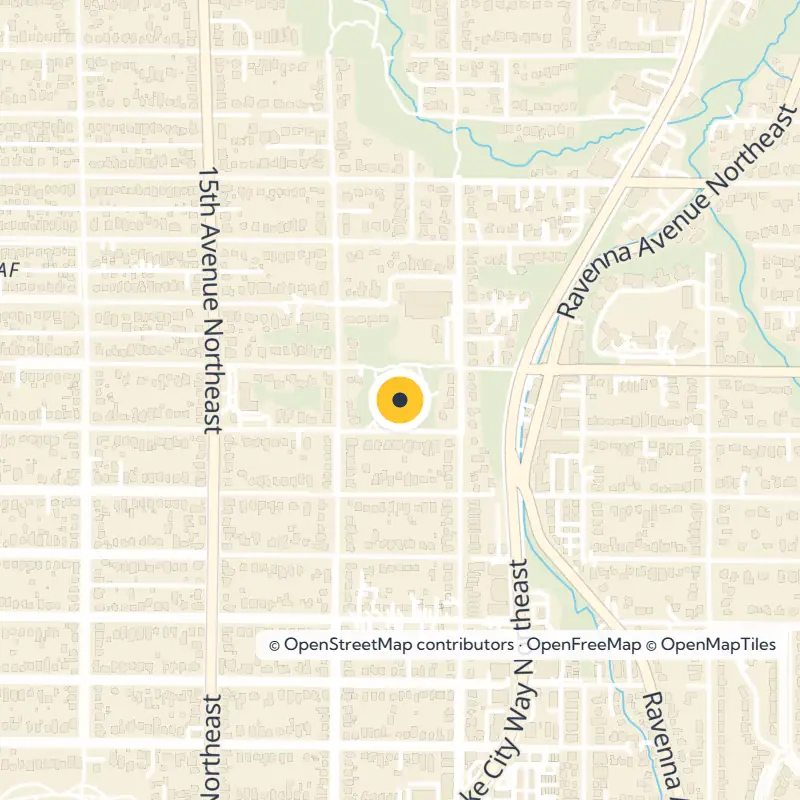
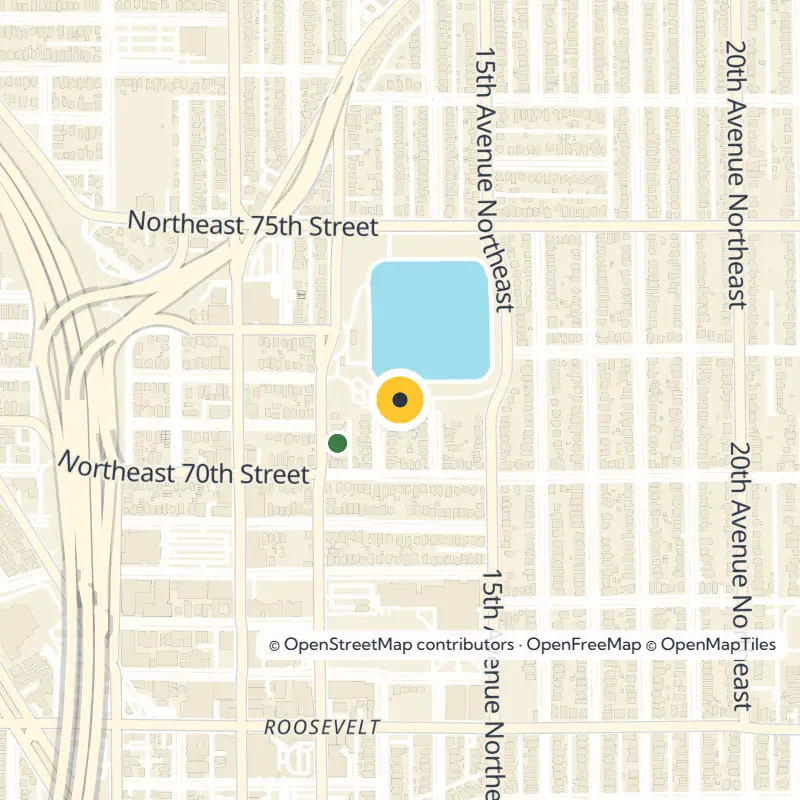
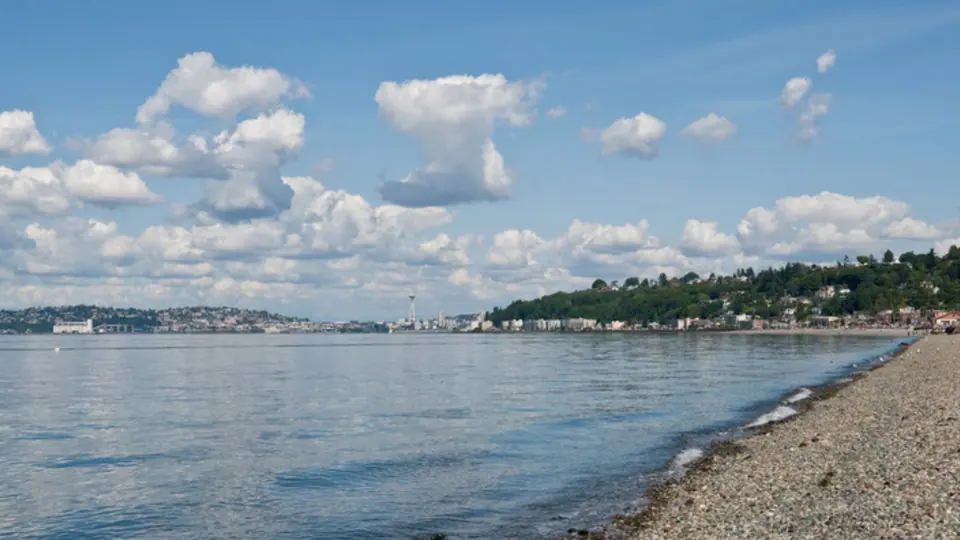
The peninsula is shared. Besides the park, it holds the western regional center of the National Oceanic and Atmospheric Administration (NOAA), city housing, and parts of the View Ridge and Windermere areas. The neighborhood just west of the point takes its name from it.
From prairie villages to a Navy airfield
The first people of Sand Point
People have lived around Sand Point since the end of the last ice age, roughly 10,000 years ago. Grassy prairies were deliberately kept open along the route that is now Sand Point Way NE. The Xacuabš, whose name means the People of the Large Lake and who are now part of the Duwamish tribe, had a village on the shore of Wolf Bay, south of the point.
Another village sat on the far side of the peninsula near Thornton Creek, at today's Matthews Beach. With communities on both sides, Sand Point served as common ground between them, something like a shared backyard on the lake.
Naval Air Station Sand Point
The first park on the point opened in 1900 as Carkeek Park, a gift from developers Morgan J. Carkeek and his wife. After World War I, King County began buying up land for a naval air base. The Navy started building in 1922 on land it leased from the county, and in 1926 the county deeded the 413-acre field to the Navy outright, a public gift valued at $500,000 in the money of the day. The Carkeek name later moved to a new park north of Ballard.
While the base was still under construction, its airfield launched the first successful flight around the world, completed in 1924. The air station was deactivated in 1970, the airfield closed, and a smaller base continued as Naval Support Activity Seattle while the surplus land was negotiated.
Becoming a city park
In 1975 much of the Navy property went to the City of Seattle and to NOAA. The city's share became Sand Point Park, and in 1977 it was renamed for Warren Magnuson, the longtime U.S. senator and former naval officer from Seattle. Locals still use both names. The runways came out in the late 1970s, and NOAA finished its new buildings on the north end in 1982.
Swimming beach and boat launch on the lake
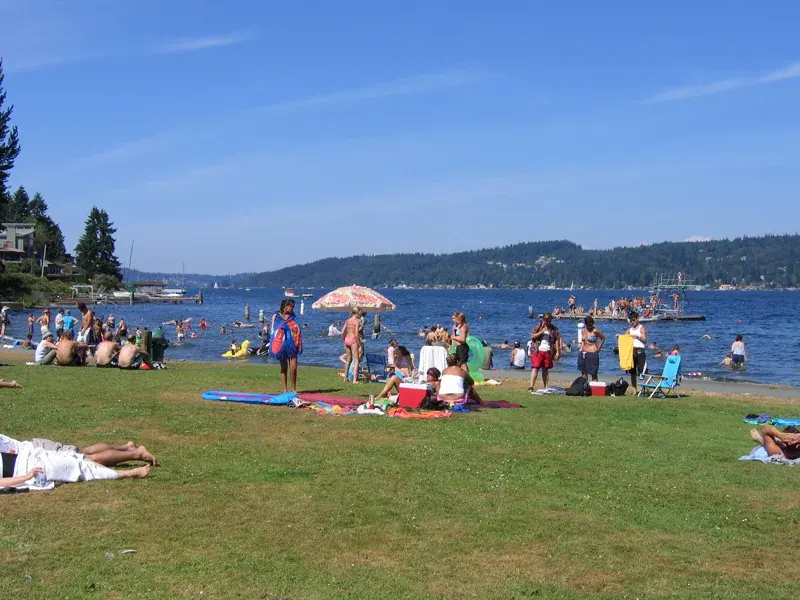
Magnuson Park is one of the easier places in Seattle to get onto Lake Washington. The park has a swimming beach, a picnic area and public sailing, so a summer afternoon can mix a swim with time on the water.
Boaters will find launch ramps along with large parking lots sized for cars, trucks and boat trailers. For current beach season details, lifeguard schedules and launch rules, check with Seattle Parks and Recreation before you go.
Kite Hill and the bones of the old runway
Kite Hill is a large grassy mound built in the 1980s from soil and broken pavement pulled up from the old airfield tarmac. It is a fitting landmark for a park that grew out of an airbase: the runway literally became the hill.
Paths for walking and cycling loop through the park, making it easy to link Kite Hill with the shoreline, the wetlands and the fields in a single outing.
Restored wetlands and 170 bird species
Magnuson Park ranks as the second richest bird habitat of any park in Seattle, with 170 species reported. Pine siskins, Anna's hummingbirds and black-capped chickadees are among them. Bring binoculars.
That richness owes a lot to a major restoration. Building the air station flattened the point, filled or paved its marshes and left about a fifth of the surface sealed under concrete and asphalt. As old storm drains failed, water pooled on the sports fields and untreated runoff flowed into the lake.
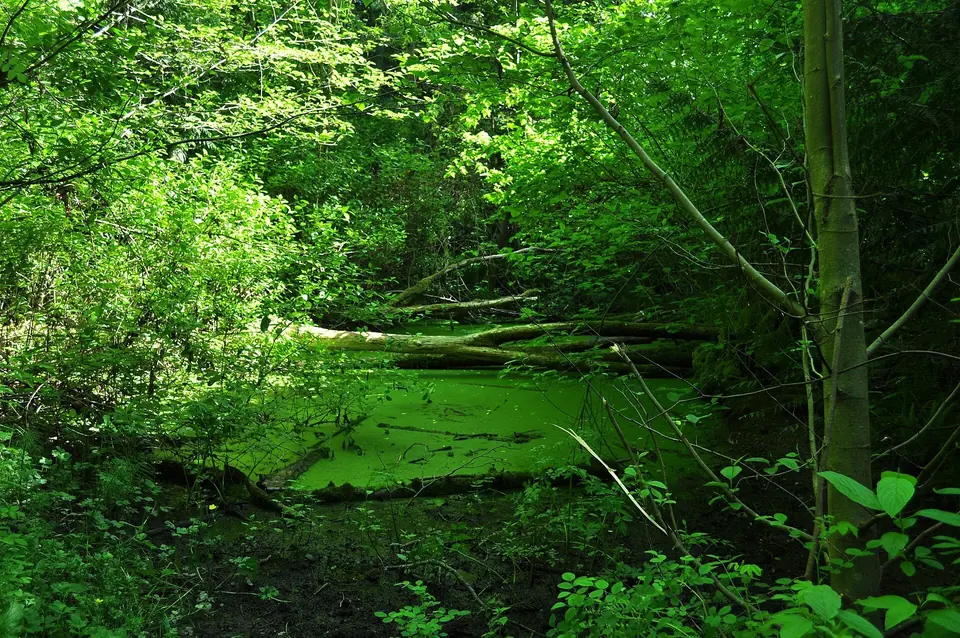
The wetlands project reshaped the land into mounds, plateaus, valleys and ponds that move water more naturally and filter it before it reaches Lake Washington. A parking lot south of the Sports Meadow was removed, and so was Building 193, a 1943 transport hangar later used as the base commissary and exchange, which came down in December 2006. Thirty acres of wetlands with walking paths and observation points opened in 2009, and a further phase was finished in late 2011.
The Junior League of Seattle Children's Playground
Seattle's biggest playground sits inside Magnuson Park. The Junior League of Seattle, a women's volunteer and leadership organization, designed, built and paid for it, and gave it to the city's children to mark 75 years of community service. Seattle resident Mary Herche led the effort, and it opened in 1999.
The playground follows an "Air, Land and Sea" theme across about 20,000 square feet, with climbing walls, a sandbox, swings and slides. Children helped shape the design, volunteers built every part of it, and it stands where the naval air station's control tower once rose.
The Sports Meadow, a 12-acre natural grass area near the middle of the old main runway, dates to the early 1980s. A 2004 to 2005 rebuild raised it nearly eight feet for better drainage, and it now holds four unlit soccer fields.
Southeast of the meadow, five more fields were added alongside the wetlands after an earlier, larger plan drew pushback from neighbors and park advocates. These fields include:
- Field 5: lit synthetic turf, mainly for rugby, opened April 2009
- Fields 6 and 7: lit synthetic turf for soccer, opened April 2009
- Field 8: an unlit baseball field, opened late 2010
- Field 9: a softball field, opened late 2010
Runoff from these fields feeds the wetlands, and the lights are restricted: no late nights and no Sundays.
Pearl Jam's Drop in the Park
On September 20, 1992, Pearl Jam played a free outdoor show at Magnuson Park called Drop in the Park. The concert carried a Rock the Vote message ahead of that year's presidential election. A local radio station announced the ticket giveaway early on a weekend morning, and all 30,000 tickets were gone within a few hours, two per person in line.
Planning a visit to Magnuson Park
The park's size means it helps to pick a focus: the beach and boat ramps, the wetland trails, the playground, or the fields. Large lots serve drivers, and walking and bike paths connect the different areas.
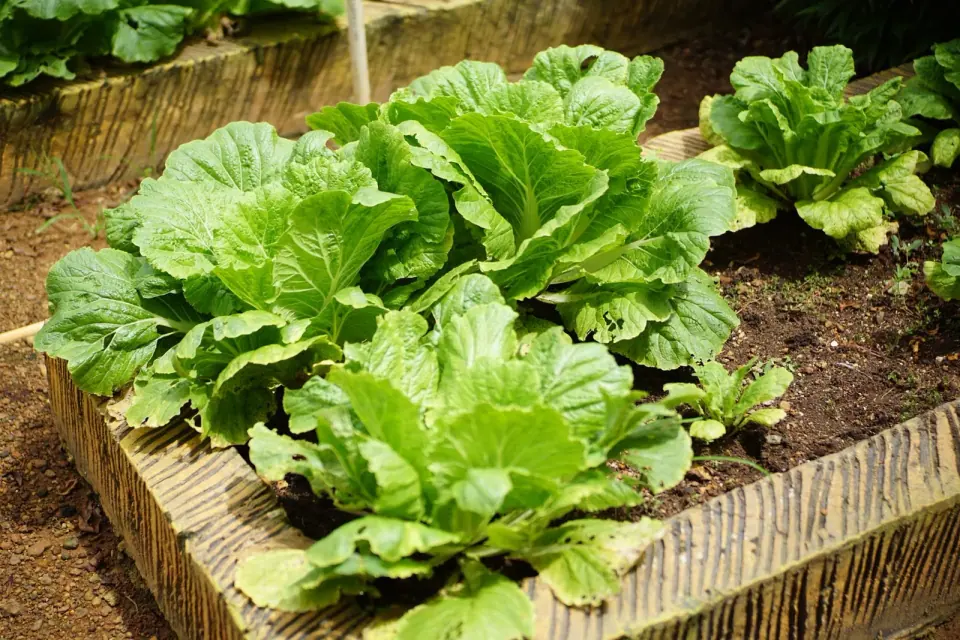
Dog owners will find an off-leash area about 0.2 miles from the park's address, and a community garden sits a similar distance away. For current hours, field reservations and facility details, go to Seattle Parks and Recreation. To compare other green spaces around town, browse our guide to all parks in Seattle.