After Phinney died in 1893, the story turned to the city. In 1902, Seattle hired the Olmsted Brothers, the Boston landscape firm, to design its parks, and Woodland Park became part of that plan.
Two Halves, One Park
Aurora Avenue N, also known as State Route 99, divides Woodland Park in two. Stroll across one of the arched bridges over the highway and you move easily from the zoo side down to the lower recreation side.
The West Side: Zoo and Playground
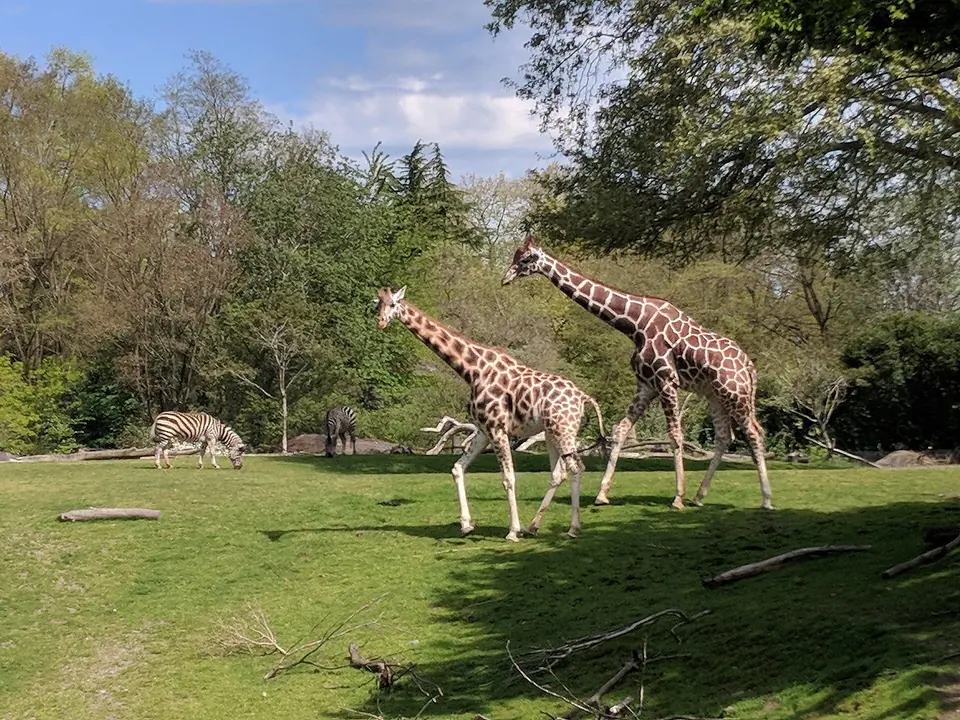
Most of the western half belongs to the Woodland Park Zoo. You will also find a baseball field and a children's playground here, a simple bonus for families already spending the day with the animals.
Zoo tickets, hours, maps and event schedules change through the year, so check with the Woodland Park Zoo directly before you head out.
Lower Woodland Park: Time to Play
The eastern half, often called Lower Woodland Park, is where the active fun happens. Pack a ball, a leash or a picnic and choose from:
- Walking trails
- An off-leash dog park
- A picnic area
- Several ballfields
- A pitch and putt golf course
- Horseshoe pits
- A skate park
- Lawn bowling, home to the Woodland Park Lawn Bowling Club
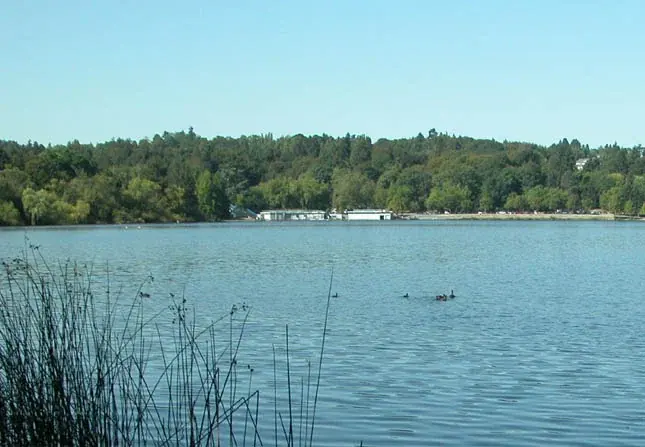
Keep going when you reach the edge: Lower Woodland Park flows directly into Green Lake Park, so your walk or run can carry on from one park to the next without ever leaving green space.
Birds, Beavers and Coyotes
For a park bordered by a highway, Woodland Park supports a surprising range of wildlife. Keep an eye out for the animals people notice most: western coyotes, rabbits, barred owls and red-eared slider turtles, which were released into the area.
Birds to Spot
Listen and look for the everyday regulars, including American crows, American robins, Steller's jays, black-capped chickadees and Anna's hummingbirds. Bald eagles, barn owls and barred owls appear too, alongside northern flickers, hairy and downy woodpeckers, spotted towhees, Bewick's wrens, bushtits and Oregon juncos.
Scan as well for American goldfinches, house finches, European starlings and rock doves, plus a mix of gulls, sparrows, swallows and waterfowl, especially along the Green Lake edge.
Mammals, Reptiles and Amphibians
Beyond the coyotes and feral rabbits, the park is home to western gray squirrels, mountain beavers, North American beavers, coypus and brown rats. Garter snakes, spring peepers and red-eared sliders complete the reptile and amphibian list.
The Harding Memorial That Vanished
One chapter of presidential history here is no longer visible. On July 27, 1923, President Warren G. Harding addressed more than 30,000 Boy Scouts gathered in the park for a national jamboree, in what became one of his final speeches; he died in San Francisco six days later.
A memorial to the speech went up in 1925 and was torn down in 1977. Its former site now lies beneath the zoo's African Savanna exhibit.
Only two pieces survived: life-sized bronze statues of Boy Scouts that once saluted Harding's likeness. They now stand at the headquarters of the Chief Seattle Council of the Boy Scouts of America.
Planning Your Visit
Start by picking your side. Head west of Aurora for the zoo, baseball field and playground, or go east to Lower Woodland Park for the dog park, skate park, golf, horseshoes and lawn bowling.
Thanks to the bridges, you can easily combine both halves in a single outing. Bringing a dog? A separate off-leash area sits about 0.1 mile from the park's address.