Airlines and Where They Fly
Alaska Airlines makes Sea-Tac its primary hub and keeps its headquarters close by, so you will see its planes everywhere. Delta Air Lines runs a hub and international gateway here too, and it has steadily grown its presence since 2011.
As of 2026, you can choose from 37 airlines flying to 96 domestic and 37 international destinations, with routes reaching across North America, Oceania, Europe, the Middle East and Asia. The terminals keep getting busier, welcoming a record 52,715,181 passengers in 2025.
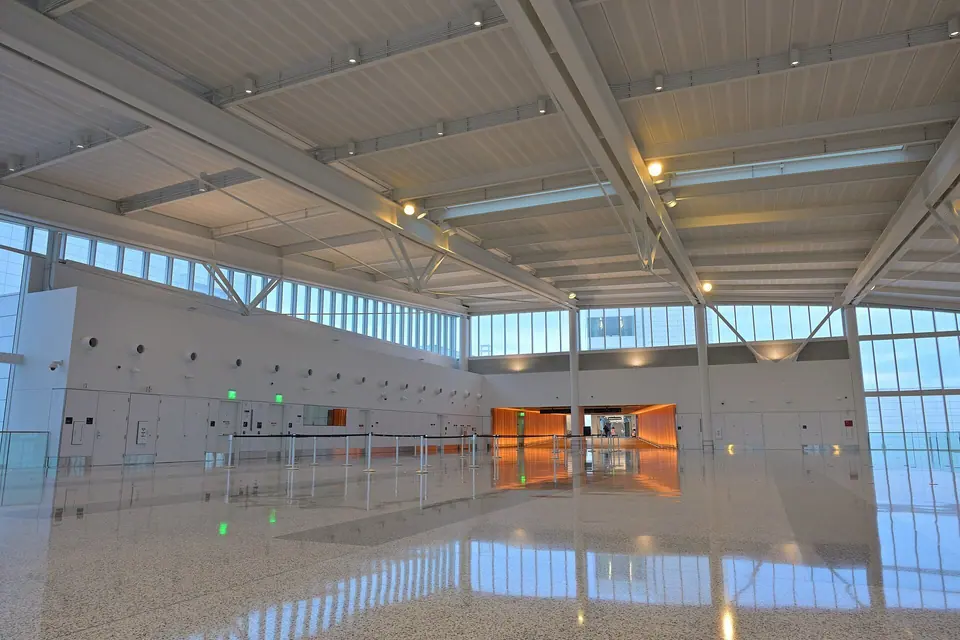
Arriving from abroad, you will come through a newer international arrivals facility that opened in 2022 as part of a broad expansion program. Concourse renovations began in the 2010s to keep pace with all that growth.
Drop Off, Pick Up and Parking
Pull up to curbs designed with accessibility in mind, where accessible loading zones appear at least every 100 feet along both the Arrivals and Departures drives. Arrivals Drive offers a zero curb along its full length, and its ramps were rebuilt to an ADA-compliant slope.
Riding in on a hotel shuttle? Ask your driver to call the Ground Transportation booth ahead of time, and curbside drop off can be arranged for you.
Accessible Garage Stalls
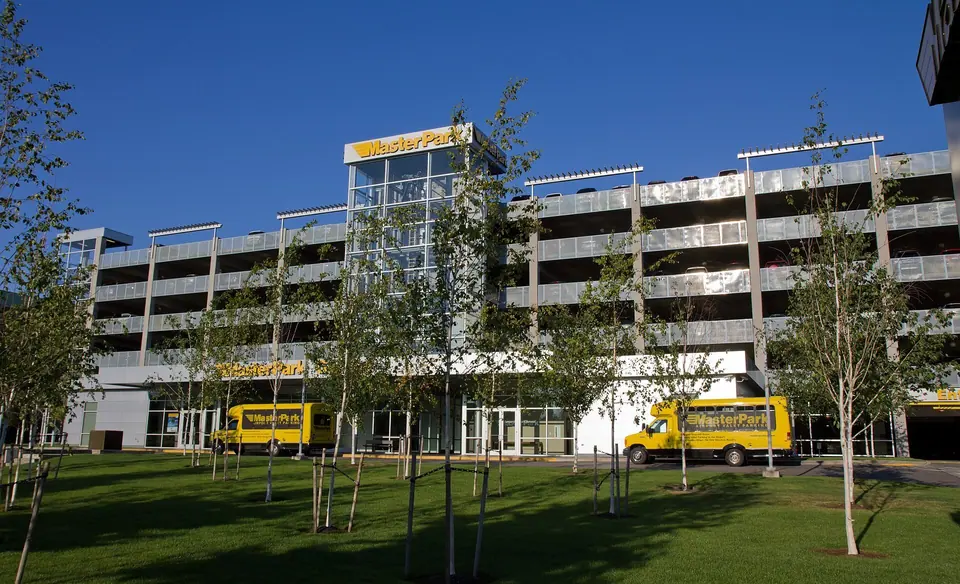
Head to Floor 5 of General Parking for ADA-designated stalls near the elevator lobbies, or find more on Floors 1, 3 and 7. Rates are not covered here, so check the airport's official site for current pricing before you set out.
Free Wheelchair Help
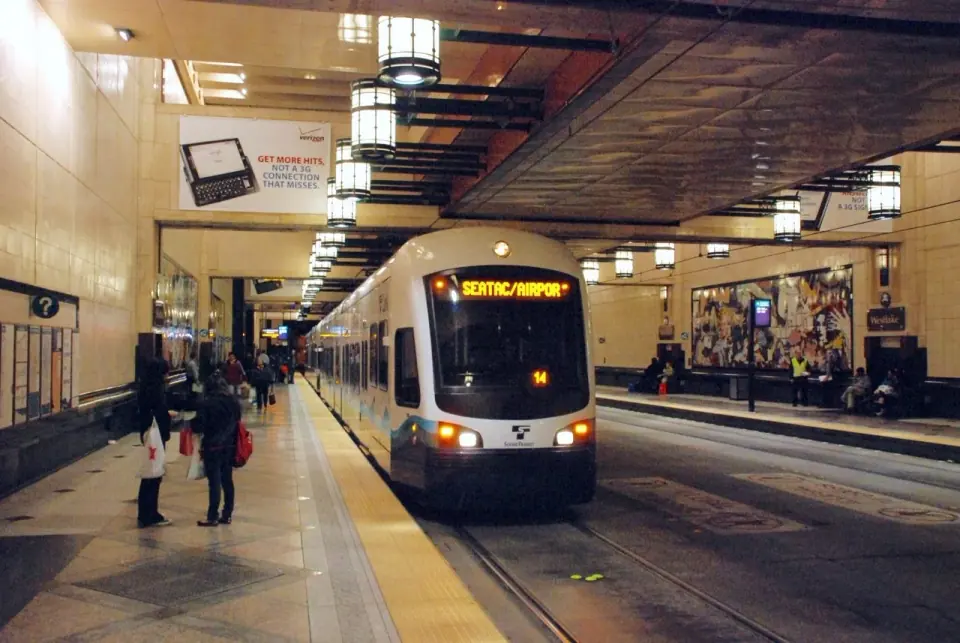
Request wheelchair assistance at no cost, starting at the curb, the garage or the train station. A helper brings you to your airline's ticket counter, and from there the airline takes over and guides you through security all the way to your gate.
Free Help Inside the Terminal
One of the best value points at Sea-Tac is just how much help you can get without paying a cent. These services make a real difference for travelers with disabilities, older relatives or anyone who finds airports overwhelming.
Sunflower Lanyards
Grab a sunflower lanyard if you have a hidden disability, and it will quietly let staff know you may need extra help. Sea-Tac became the first US airport to pilot the program in 2019, and it suits travelers with autism, PTSD or hearing loss.
Pick one up free at two pre-security information desks between Checkpoints 4 and 5, or on the Baggage Claim level near Checkpoint 1. Once past security, stop by the information desk in Concourse A near gate A5, which has been staffed from 7 am to 9 pm daily, though hours can change.
Sensory Rooms and Therapy Animals
Step into one of two sensory rooms for a calm break from the noise and crowds. You will find one near the A Concourse train station and the other on the third floor of the C Concourse Expansion.
Keep an eye out for SEA Pups, the program that brings registered therapy animal teams into the terminal to ease stress. Each team is registered through Pet Partners and Reading with Rover.
Vision, Hearing and Language Support
- Aira: If you are blind or have low vision, connect with live agents through an app or smart glasses for guidance from the curb to the gate, a service available since 2018.
- Mobile Video Remote Interpreting: Deaf and hard of hearing travelers can reach a live ASL interpreter on their own phone after joining the free airport Wi-Fi with location services turned on.
- Pathfinders: Flag down this customer service team, whose tablets offer live translation in more than 100 languages, ASL included.
Many airport restaurants and shops can help with translation too, using cards, translators and staff training.
Memory Support, Restrooms and Pet Relief
Travel with confidence alongside a loved one with dementia, since Sea-Tac works with the Alzheimer's Association and its TSA officers have been trained to help travelers showing signs of it. Every concourse also has fully accessible family restrooms designed to be stoma-friendly.
Flying with a service animal? Use any of nine pet relief areas spread across both sides of security.
From Wartime Airfield to Northwest Hub
The airport owes its existence to World War II, when the military took over Boeing Field. In 1942, planners chose a site near Bow Lake along US Route 99, passing over a Lake Sammamish option judged too close to the Cascades.
Tacoma contributed $100,000, which is how its name ended up in the airport's title. Sandy soil pushed the final cost well past the original estimate, and the first ceremonial landing touched down on October 31, 1944.
Milestones Worth Knowing
- Northwest and Western Airlines began scheduled commercial flights on September 1, 1947.
- About 30,000 people gathered for the terminal's dedication on July 9, 1949.
- Japan Airlines launched Tokyo service on June 28, 1959, becoming the first Asian carrier here.
- The third runway finally opened in 2008 after decades of planning and local opposition.
A Giant Sloth Under the Runway
Ahead of the 1962 World's Fair, crews extended a runway over South 188th Street and tucked the road into a tunnel. During that work in 1961, they unearthed the fossil skeleton of a giant ground sloth, which you can connect to the Burke Museum in Seattle, where it went on display.