Seattle Colleges: One District, Three Campuses
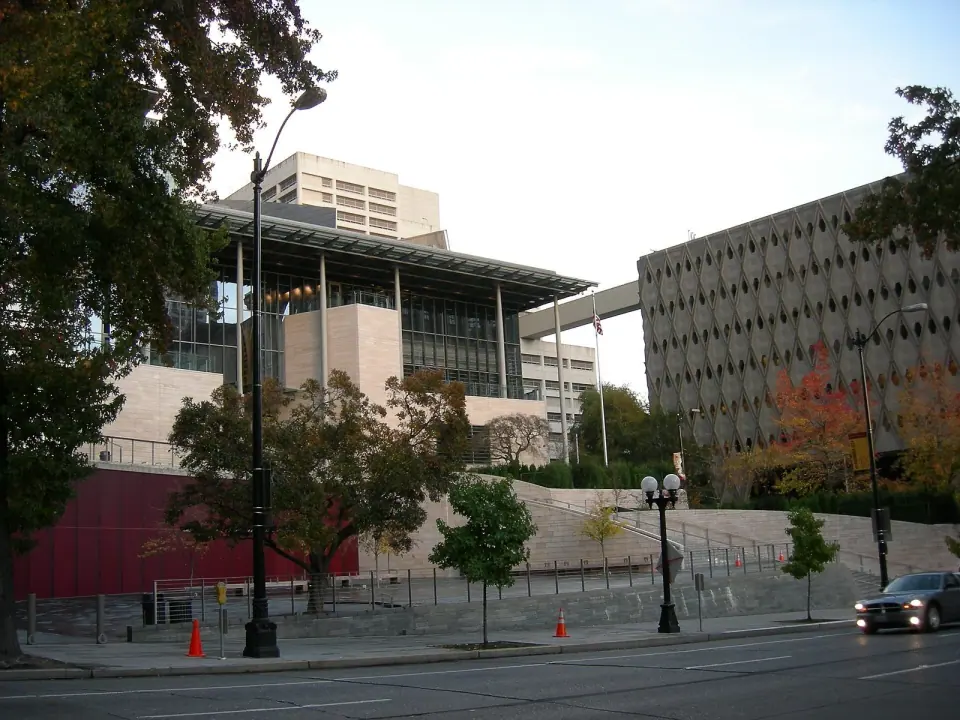
North Seattle College, Seattle Central College and South Seattle College operate together as the Seattle Colleges District. Combined, they form the second largest higher education institution in Washington, trailing only the University of Washington. The schools dropped the word "community" from their names in 2014, so you may still spot the longer titles on older signs and documents.
The district's story begins at Broadway High School, which opened on Capitol Hill in 1902. After World War II it turned to vocational and adult classes for returning veterans, later becoming Edison Technical School, and college-level teaching grew from there. The north and south campuses opened in 1970, and Seattle Central drew national attention in 2001 when Time magazine named it Community College of the Year.
Choose from more than 130 career, technical and transfer programs spread across eight areas of study. The options include:
- Certificates and associate degrees
- A number of Bachelor of Applied Science degrees
- Transfer pathways toward a four-year university
- High school completion and concurrent enrollment for high school students
- Adult Basic Education and English as a Second Language classes
- Continuing education and customized training for employers
Seattle Promise: Free Tuition for Local Graduates
Seattle Promise is the program local families ask about most. Seattle Colleges, the City of Seattle and Seattle Public Schools launched it in 2018 to cover tuition at Seattle Colleges for graduating seniors from Seattle public high schools. The benefit lasts up to two years or 90 credits, and it comes with advising and academic support.
Voters fund the program through the Families and Education Levy, which Seattle renewed in November 2025 with nearly 80 percent approval, keeping Seattle Promise funded through 2032. Eligibility rules and deadlines can change, so check the details with Seattle Colleges or a high school counselor.
University of Washington
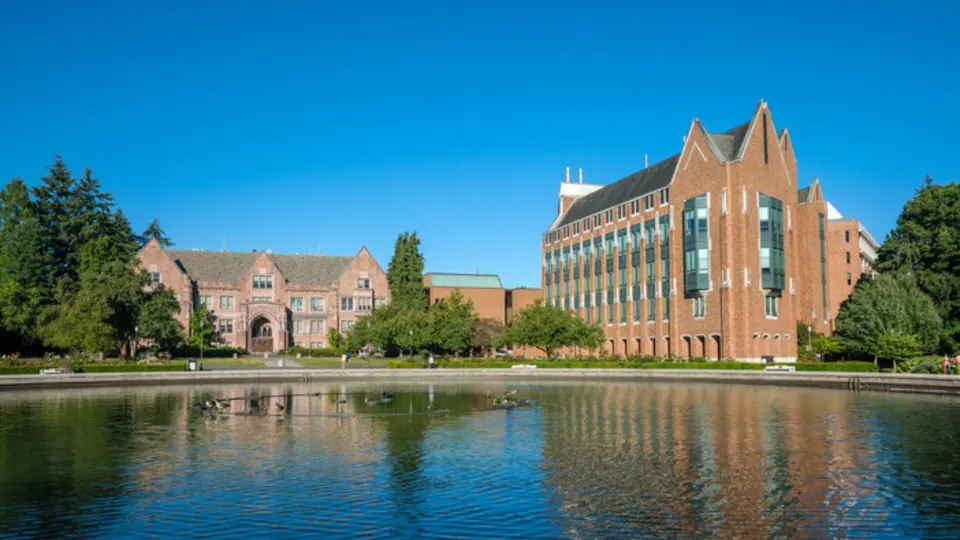
The University of Washington anchors the University District with its 700-acre main campus, and it also runs branch campuses in Tacoma and Bothell. Founded in 1861, it ranks among the oldest universities on the West Coast. With roughly 41,000 undergraduates in fall 2025, it is by far the largest school in the city.
UW is best known for research in medicine, engineering and the sciences, and it belongs to the Association of American Universities. The National Science Foundation ranked it fifth in the country for research and development spending in 2024, at $1.73 billion. Browse a library system of more than 26 libraries, or catch one of 22 varsity teams playing as the Huskies in the Big Ten Conference.
Private Universities With Distinct Missions
Seattle's two best-known private universities were both founded in 1891, yet they have grown in very different directions. One is rooted in the Jesuit tradition, and the other in the Free Methodist Church.
Seattle University on First Hill
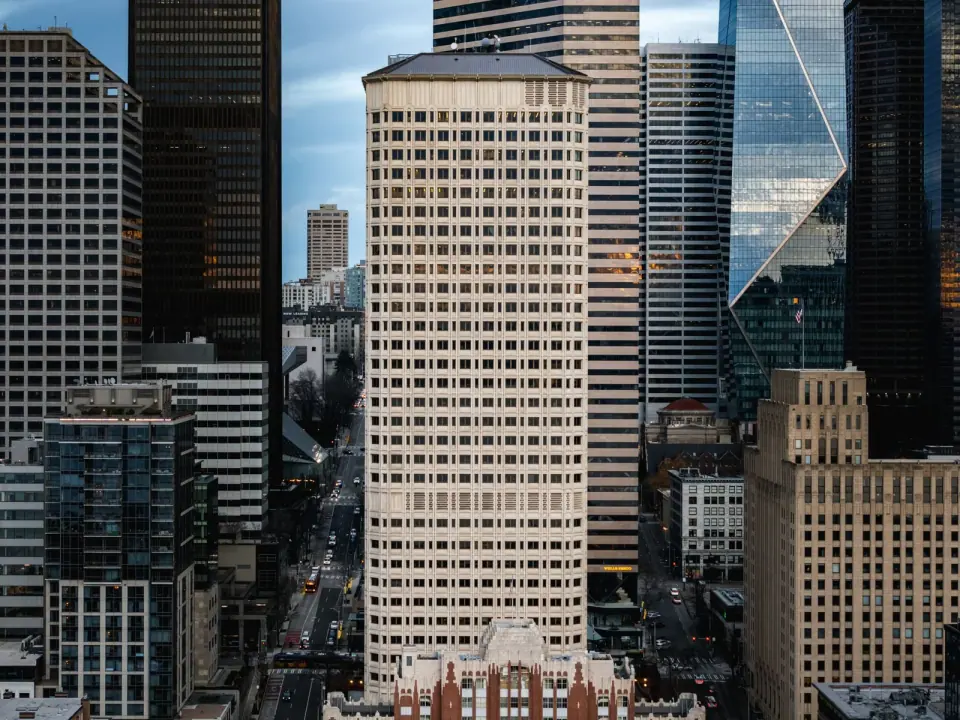
Seattle University is the largest independent university in the Northwest, with more than 7,500 undergraduate and graduate students across seven schools and colleges. Its main campus sits on First Hill just east of downtown, bordering Capitol Hill. A second campus in South Lake Union now houses Cornish College of the Arts at Seattle University, which joined in 2025.
Pick from 65 undergraduate majors and more than 50 graduate programs, all with an 11 to 1 student to faculty ratio. The university has a law school, a college of nursing with roots going back to 1935, and a history of firsts. A night school for women, started in 1931 over local church objections, made it one of the earliest coeducational Jesuit colleges in the country.
Art lovers have real reason to come. In 2024, developer Richard Hedreen gave the university his $300 million art collection in honor of his late wife, an alumna, in one of the largest single gifts to a university on record.
Seattle Pacific University on Queen Anne
Head to the north end of Queen Anne Hill to find Seattle Pacific University, a small Christian school on a 43-acre campus close to Fremont and about four miles north of downtown. It began as the Seattle Seminary, founded by Free Methodist pioneers to prepare missionaries, and took its current name in 1977.
Small classes define life here. In fall 2025 the school enrolled about 2,100 students, including 1,657 undergraduates, with a 15 to 1 student to faculty ratio and most undergraduate classes at 30 students or fewer. Academics are split among three colleges and a seminary, and the University Scholars honors program keeps a cohort of 40 students together for four years, with every member earning a second major in liberal arts.
The university also runs a biology field station on Blakely Island in the San Juan Islands. Keep in mind that SPU has made significant academic cuts in recent years, including the elimination of 19 majors effective June 2025. Check the current program list on the Seattle Pacific University website, which also describes faith-based scholarships and combined bachelor's and master's tracks.
How the Colleges in Seattle Compare
The right school usually comes down to cost, size and goals. Use these patterns to narrow things down.
- Lowest-cost start: Seattle Colleges, especially for Seattle public school graduates who qualify for Seattle Promise.
- Big research university: the University of Washington, with the widest range of programs and major college athletics.
- Mid-size private with a city feel: Seattle University, close to downtown and tied to the city's arts scene.
- Small, faith-centered community: Seattle Pacific University, with tight cohorts and a residential hilltop campus.
Plenty of students combine paths, and starting at a Seattle Colleges campus before transferring to UW is a well-worn route. Tuition, aid and admissions rules shift every year, so confirm current figures directly with each school, including the Seattle University admissions pages.
Campus Spots Worth a Visit
You do not need a student ID to enjoy these campuses. Several hold architecture, art and history that rank among the city's quieter Seattle landmarks.
On the UW Campus
Start at Suzzallo Library, the university's architectural centerpiece, built in 1926, then wander into the nearby Quad, which took shape between 1916 and 1939. Drumheller Fountain marks the area laid out for the 1909 Alaska Yukon Pacific Exposition, with a sightline toward Mount Rainier. In the Sylvan Grove Theater, look for four tall cedar columns, all that remains of the university's first downtown building, nicknamed LIFE for Loyalty, Industry, Faith and Efficiency.
At Seattle University
Stop by the Chapel of St. Ignatius, designed by Steven Holl, which won a national Honor Award from the American Institute of Architects in 1998 and glows with colored light after dark. George Tsutakawa's Centennial Fountain anchors the main mall, and a Dale Chihuly glass sculpture hangs in Pigott Hall. Over on 12th Avenue, the Hedreen Gallery shows student and visiting artist work behind long street-facing windows.
At Seattle Pacific
Stroll SPU's central Tiffany Loop, where the trees are among the oldest in Seattle, and find Alexander Hall, finished in 1893 and the oldest building on campus. Pair your visit with a walk through nearby Seattle neighborhoods like Fremont and Queen Anne, or browse more things to do in Seattle.