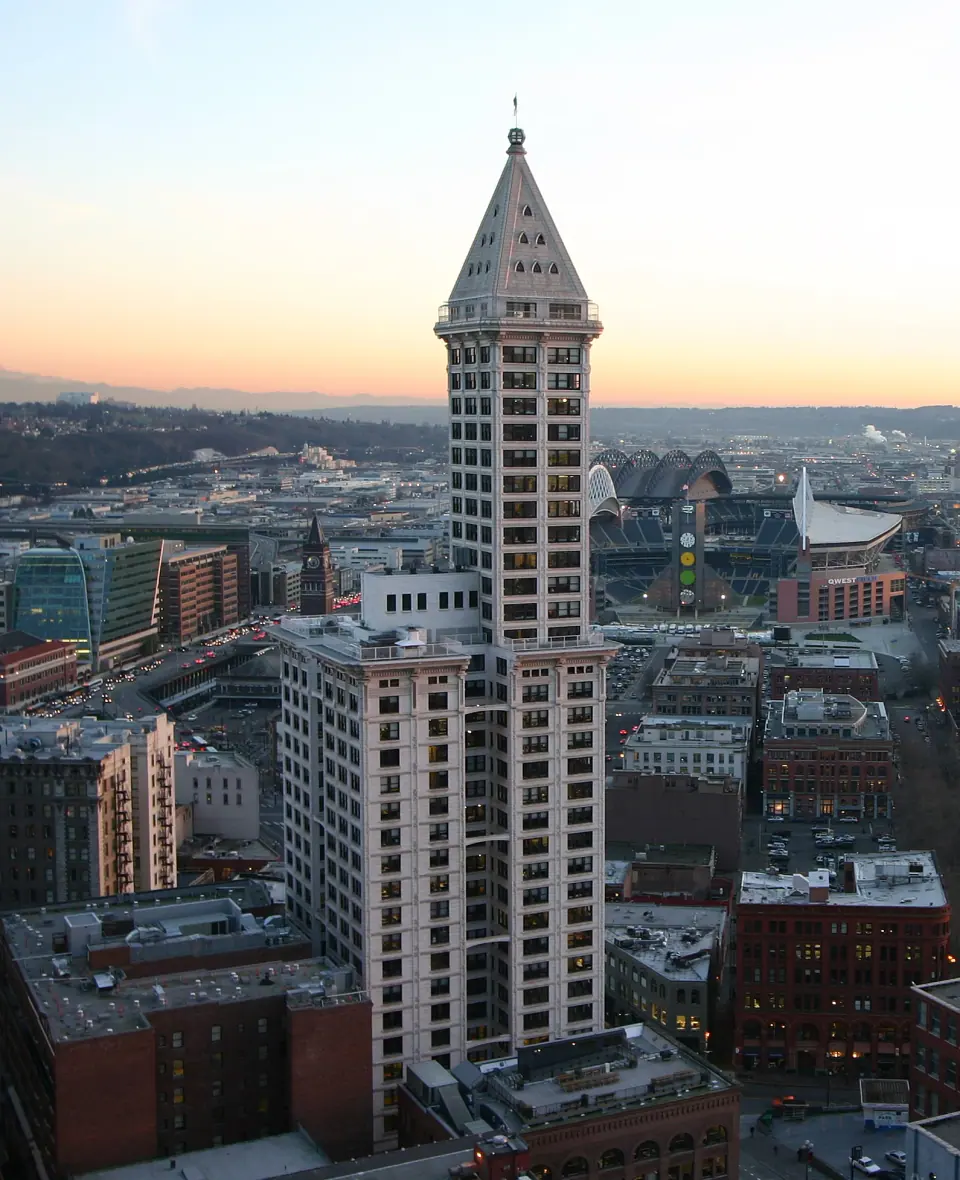
Smith bought this odd-shaped corner lot in May 1899, then waited about a decade before doing anything with it. On a 1909 visit he sketched out a modest 14-story building. His son, Burns Lyman Smith, persuaded him to dream bigger: a skyscraper tall enough to beat Tacoma's National Realty Building as the tallest west of the Mississippi.
A Deal Over City Hall
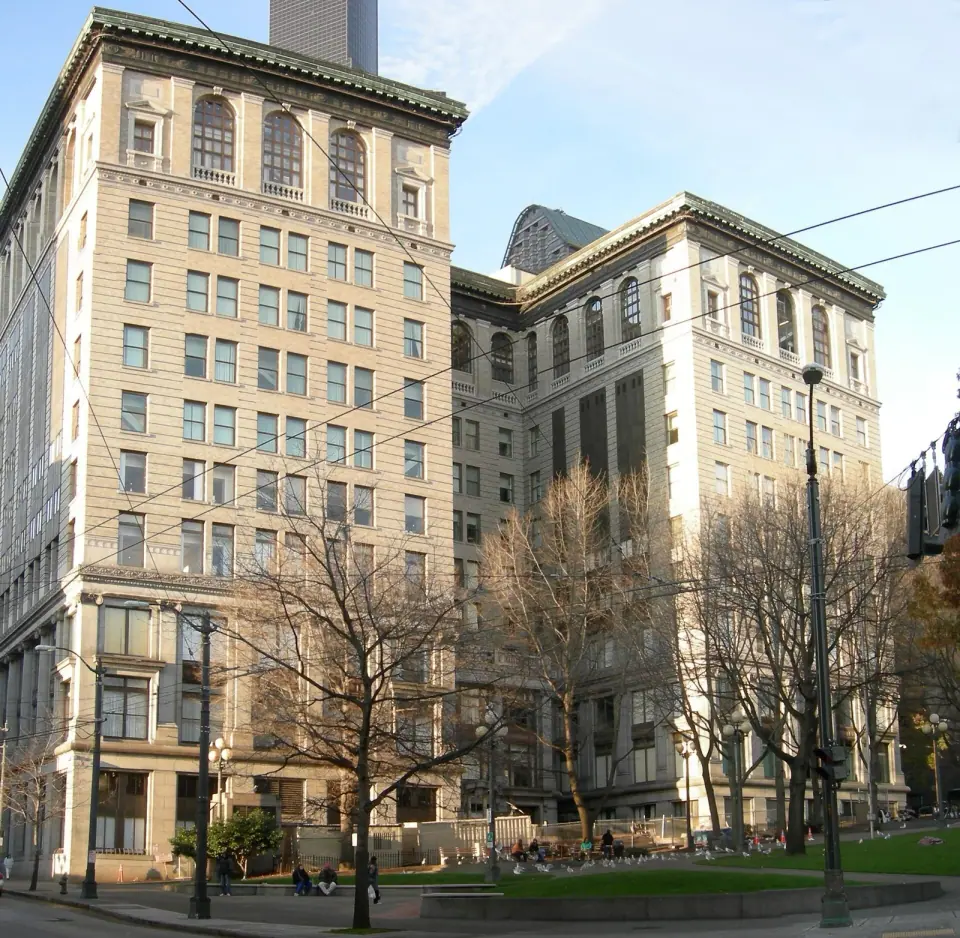
In 1910 Smith offered to build even higher, on one condition: Seattle had to keep its city hall and civic center on the neighboring block at 3rd Avenue and Yesler Way instead of moving them uptown. The city passed a bond to buy the city hall site, and the mayor and council gave their assurance. The Syracuse firm Gaggin and Gaggin drew up the design, with a budget of $1,000,000.
L. C. Smith died in late 1910, the month after the first building permit was issued, and never saw ground broken. His son and architect Edwin H. Gaggin carried the vision forward. Because the design went beyond the building codes of the day, the final permit did not arrive until February 24, 1911.
How the Tower Rose Above Pioneer Square
Work officially began with selective demolition on November 1, 1911. Crews excavated around the clock while engineers bored test holes 123 feet deep and built an 80-ton test box to see how the soil would settle, and the foundation came to rest on 1,276 concrete pilings.
Materials arrived from across the country and around the region. Look for these highlights:
- Nearly 5,000 tons of steel from the American Bridge Company's foundry in Pennsylvania
- Granite for the base from a quarry at Index, Washington
- Marble from Vermont and Mexican onyx for the lobby
- About 60 miles of light, power and telegraph cable
The final rivet went in atop the steel frame on February 15, 1913. Just days later, a three-ton wooden derrick fell from the 34th floor and punched through 13 floors of the base, yet no one was hurt. Steelwork wrapped up the following day with a flag raised at the summit.
Granite Below, Terra Cotta Above
Look up and you will see a steel and concrete tower dressed in granite at the base and bright white terra cotta above. Promoters of the day expected the facade to catch the sun so brilliantly it could be seen for miles. The pyramid roof once held a 12,000-gallon water tank that supplied drinking water to tenants.
A Long Reign as the Tallest
At 38 stories, Smith Tower ranked among the tallest skyscrapers outside New York City when it was finished. From the curb it rises 469 feet to the top of its pyramid and 522 feet to the pinnacle. It held the title of tallest west of the Mississippi until 1931, when the Kansas City Power and Light Building surpassed it.
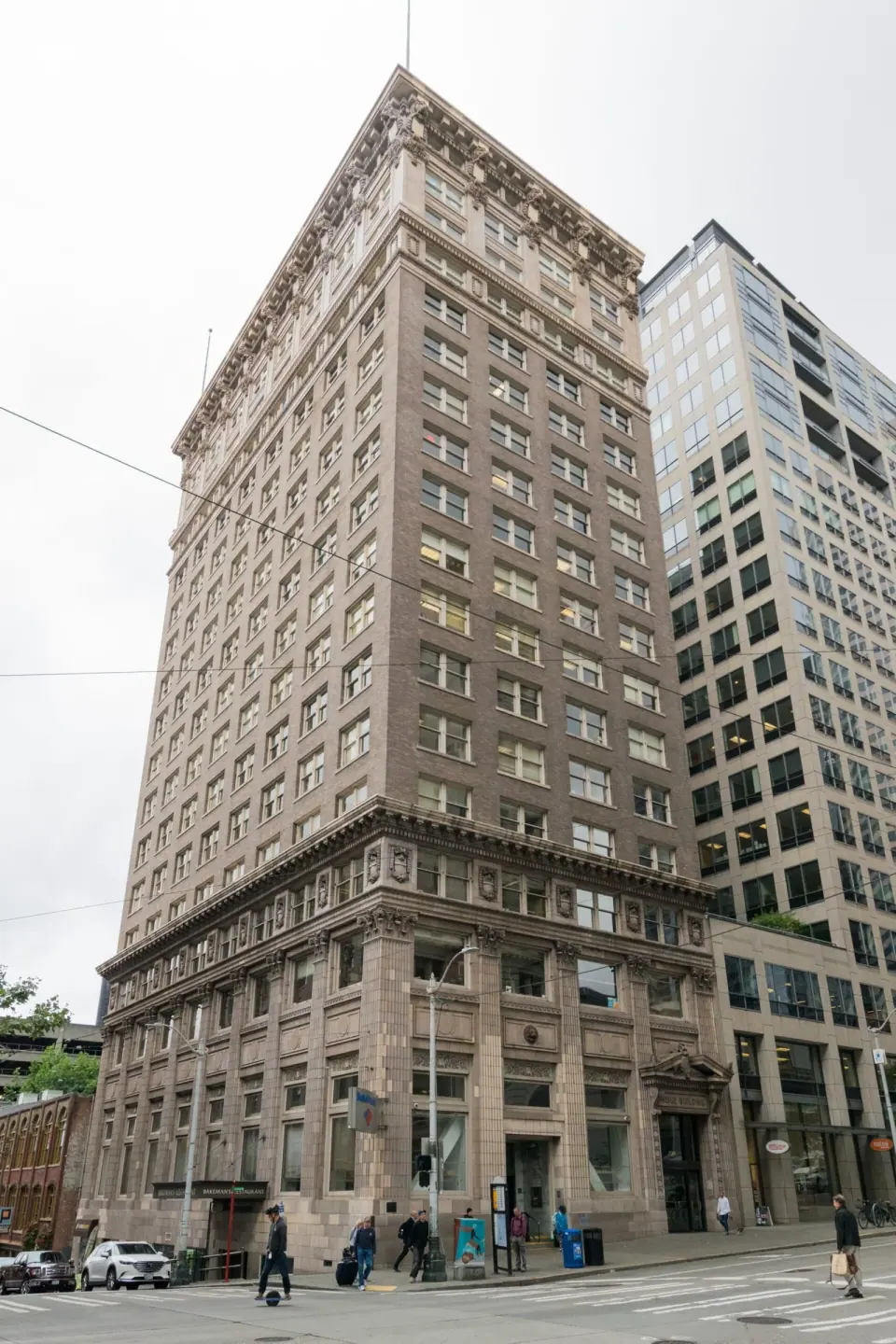
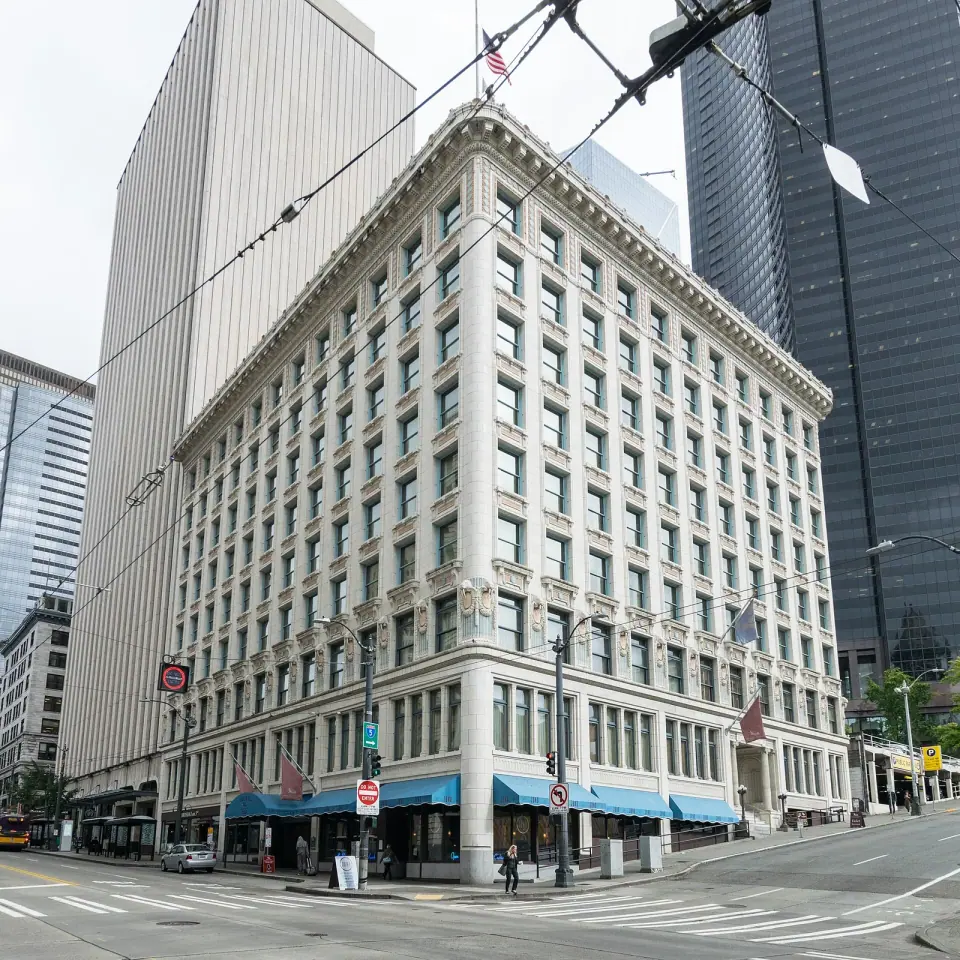
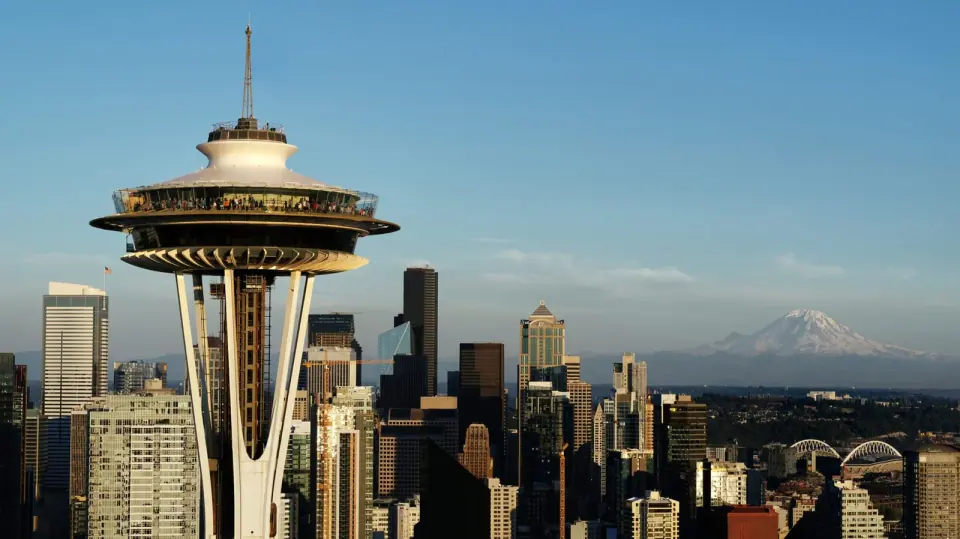
On the West Coast, its reign lasted far longer, until the Space Needle overtook it in 1962. Before Smith Tower, the city's tallest building was the Hoge Building, which still stands nearby, so you can see both on the same walk.
Opening Day and the Chinese Room
Picture opening day on July 4, 1914, when more than 4,000 Seattle residents rode up to the 35th floor. The building was designed with eight high-speed elevators, and companies were already competing to lease entire floors before the frame was even finished.
The 35th floor became famous for the Chinese Room, named for its carved teak ceiling and blackwood furniture, which is said to have been a gift from Empress Cixi. Its best-known piece is the Wishing Chair, carved with a dragon and a phoenix, a pairing that signifies marriage and has inspired local folklore. The Chinese Room name was retired after the building's 2016 renovation.
Planning Your Visit
Smith Tower is still a working building at 506 2nd Ave. Before you go, check the building's official website for current access to the upper floors, hours and ticket details.
Landmarks Within a Block
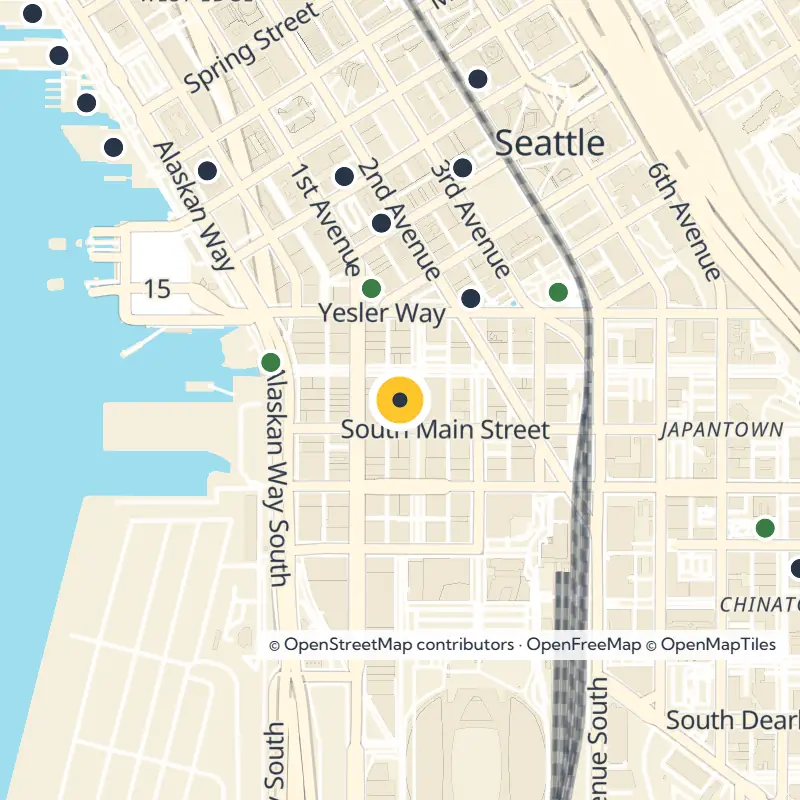
Step outside and you are in one of the densest clusters of historic sites in the city. Stroll to several landmarks and small parks within roughly a block or two:
- Prefontaine Place, a park under 0.1 mile away
- Lyon Building, a city landmark under 0.1 mile away
- City Hall Park, under 0.1 mile away
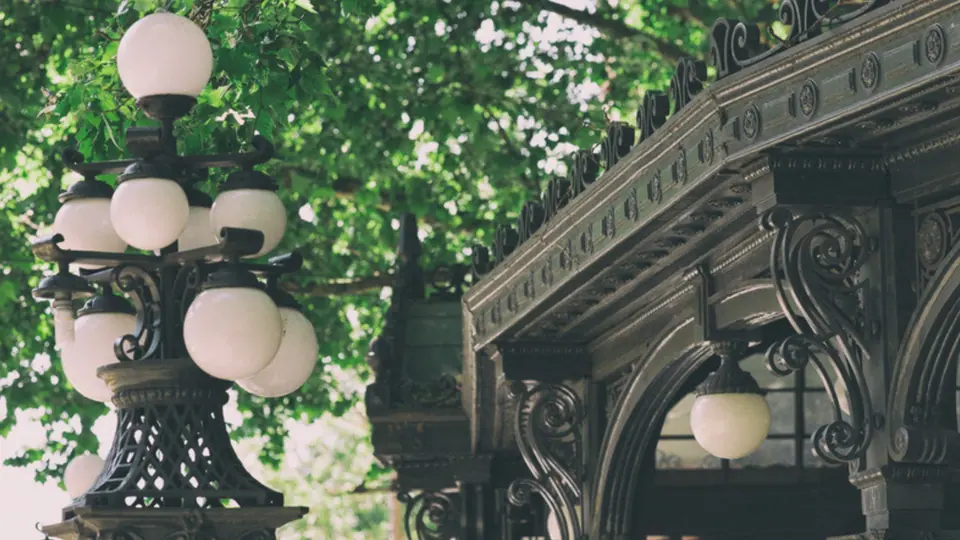
- Pioneer Square park, under 0.1 mile away
- Hoge Building, about 0.1 mile away, once Seattle's tallest building
- Dexter Horton Building, about 0.1 mile away
- Street Clock: Hong Kong/Shanghai Banking Co., about 0.1 mile away
- Occidental Square, a park about 0.1 mile away
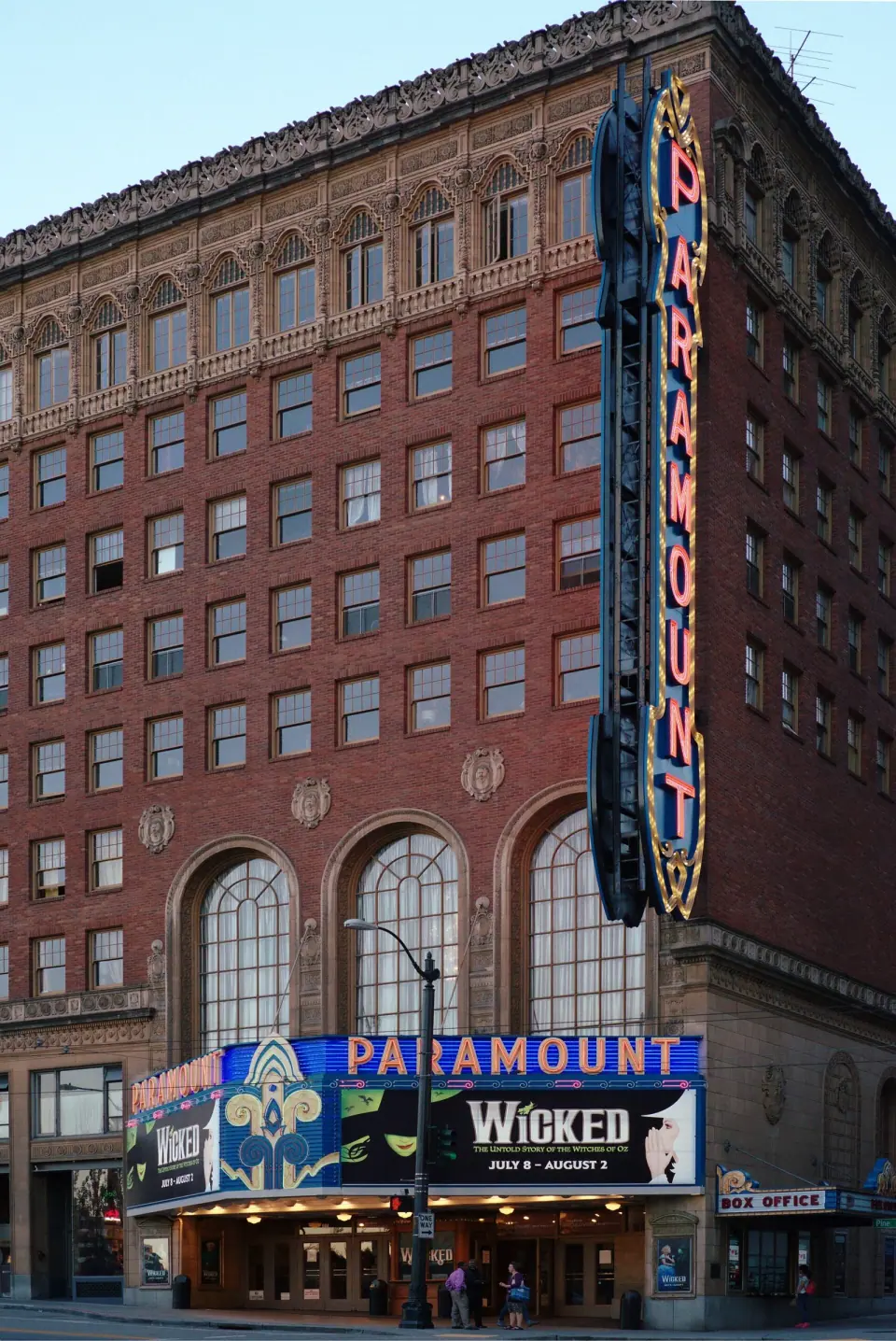
To keep exploring the city's protected buildings, browse our guide to all landmarks in Seattle, including historic venues such as the Paramount Theatre.