War, internment and rebuilding
During World War II, Kubota and his family were sent to Camp Minidoka in Idaho, and the garden sat abandoned for four years. Even while interned, Kubota oversaw the construction of a community park at the camp, complete with a Japanese rock garden. Once the war ended, he and his sons, Tak and Tom, built the business back up.
In 1972 the Japanese government honored him with the Fifth Class Order of the Sacred Treasure, recognizing his work in bringing Japanese gardening to the region and earning it respect here. He went on caring for the garden until his death in 1973.
From Family Property to City Landmark
Protection for the garden came in stages. In 1981 the Seattle Landmarks Preservation Board named the central 4.5 acres a City of Seattle historical landmark (No. 191 on the City list), and six years later, in 1987, the city bought the garden from the Kubota family.
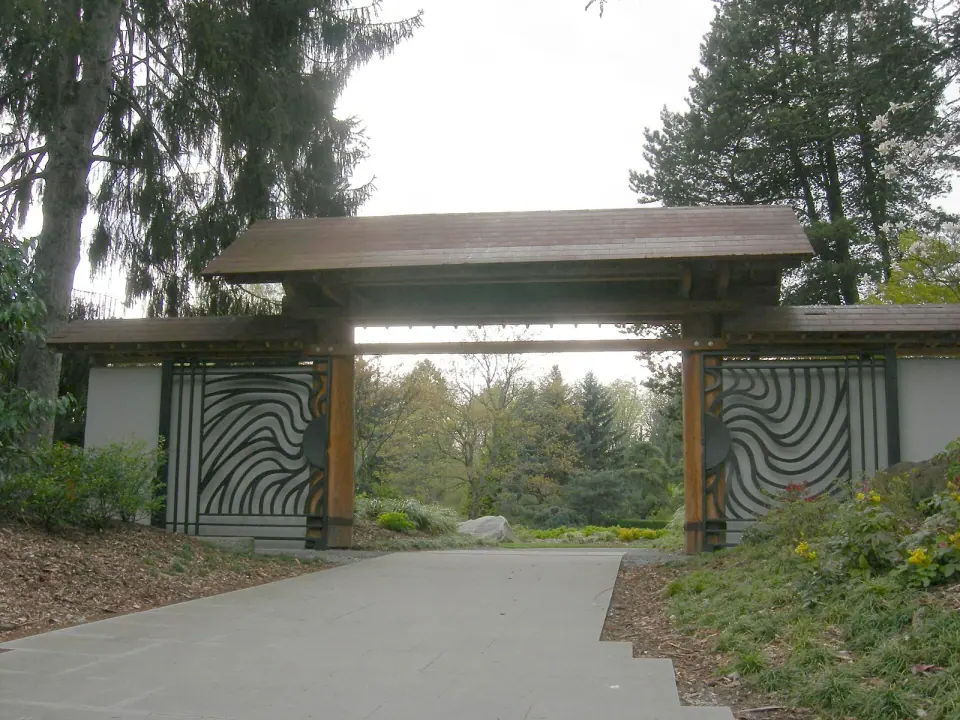
The city's Open Space Program has since purchased 17 acres around the park to protect Mapes Creek, which runs through the grounds. Look too for newer additions: the Tom Kubota Stroll Garden broke ground in 1999 and opened in 2000, and a new entrance gate designed by Gerard Tsutakawa arrived in 2004.
Seattle Parks and Recreation maintains the garden today alongside volunteers from the Kubota Garden Foundation, a 501(c)(3) nonprofit formed in 1989. The foundation raises money, organizes volunteers and produces publications, carrying forward Kubota's hope that the public would come to understand and value Japanese gardens. For a deeper read before or after your visit, pick up the 2020 book Spirited Stone: Lessons From Kubota's Garden, which gathers writing by novelists, poets and garden lovers on his legacy.
What to See in the Garden
Take your time here, because the garden unfolds as a series of distinct areas, each rewarding a slow walk:
- Kubota Terrace, including the Terrace Overlook
- The Bamboo Grove
- The Necklace of Ponds
- The Mountainside
- The Tom Kubota Stroll Garden, the newest major section
Trees and plants through the seasons
Expect a blend of Japanese favorites and large evergreens. Japanese maples, anywhere from 8 to 30 feet tall, move from greens and browns into reds and oranges as the year turns. Black bamboo, or kuretake, rises upright to roughly 20 to 35 feet, its stems showing dark green, yellow and black.
Taller conifers frame the views as you stroll. The blue Atlas cedar, named for its bluish needles, reaches 40 to 60 feet and stands up to drought and harsh winters. The Norway spruce grows to a similar height and shelters wildlife, from birds to deer.
Planning Your Visit to Kubota Gardens
Plenty of people search for the park as Kubota Gardens, but the official name is singular. Come any day of the year from dawn to dusk, and you may share the paths with school groups, seniors, tourists and garden clubs, all regular visitors here.
Tours
Join the public tour on the fourth Saturday of each month from April through October. Check with Seattle Parks and Recreation or the Kubota Garden Foundation for current tour details before you go.
Accessibility and amenities
For a wheelchair-accessible route, head through the Tom Kubota Stroll Garden, which climbs to the Terrace Overlook. Most of the main paths, however, are hard-packed gravel and are harder to navigate on wheels.
- Dogs are welcome.
- Picnic tables and benches are spread around the grounds.
- Portable toilets sit near the entrance.
Booking the Terrace Overlook
Reserve the Terrace Overlook for a wedding, musical performance, family reunion or photo shoot. Groups are capped at 150 guests, and alcohol and amplified sound are not permitted. Only the reserved area is closed off, so the rest of the garden stays open to the public.
Exploring Around Rainier Beach
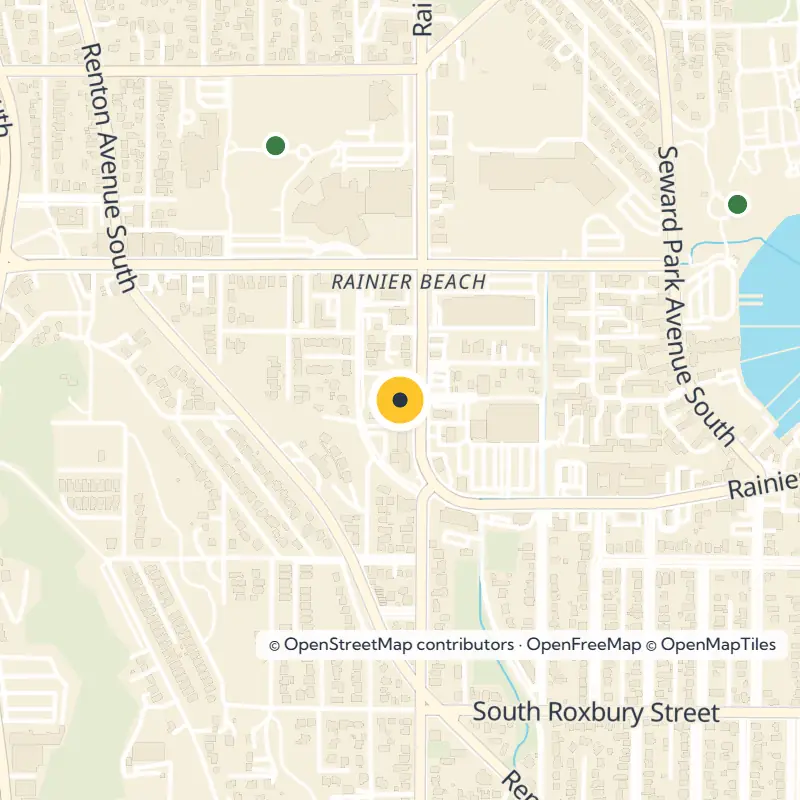
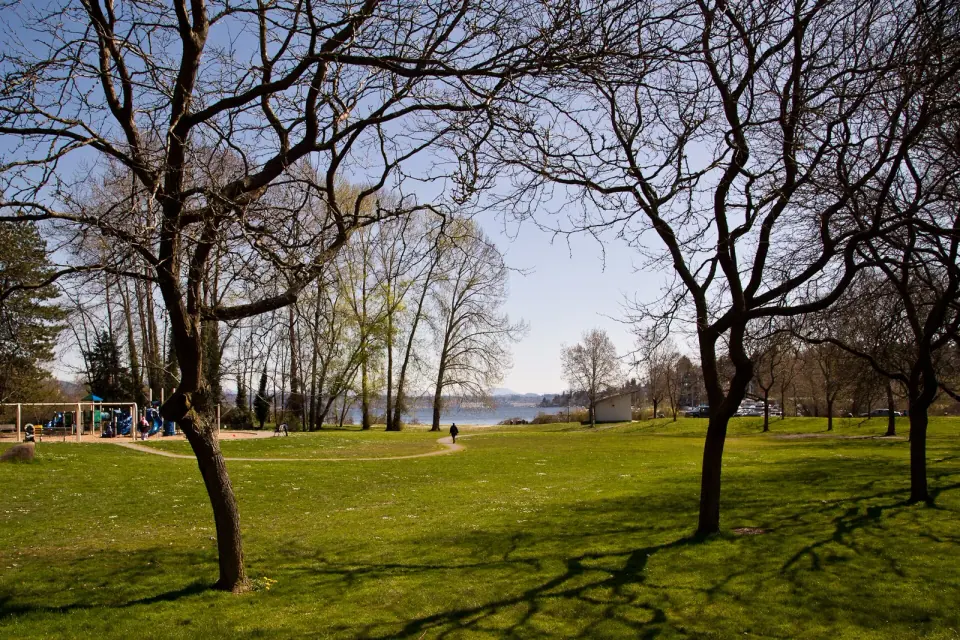
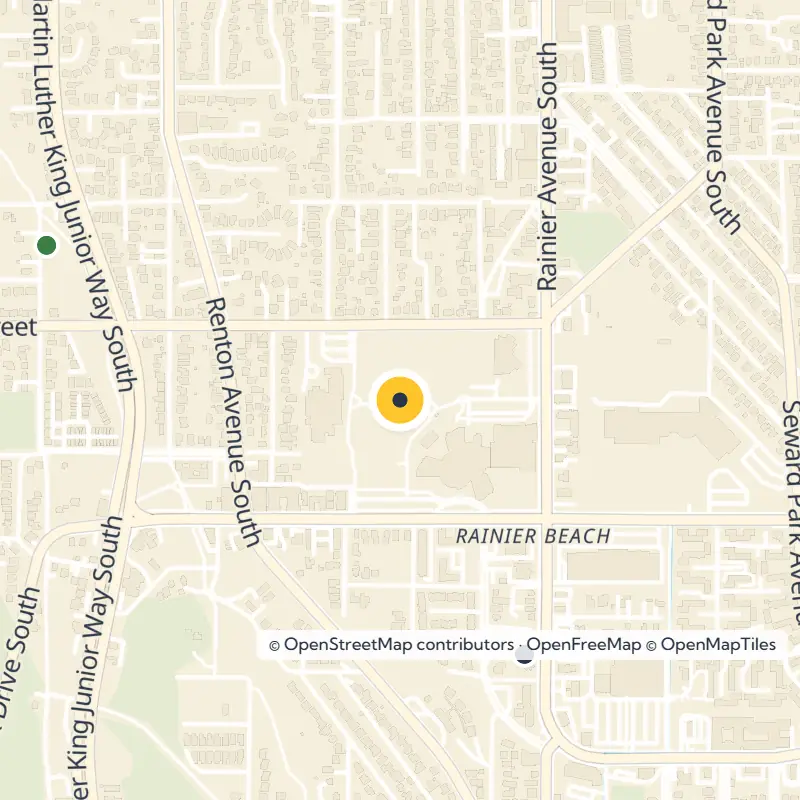
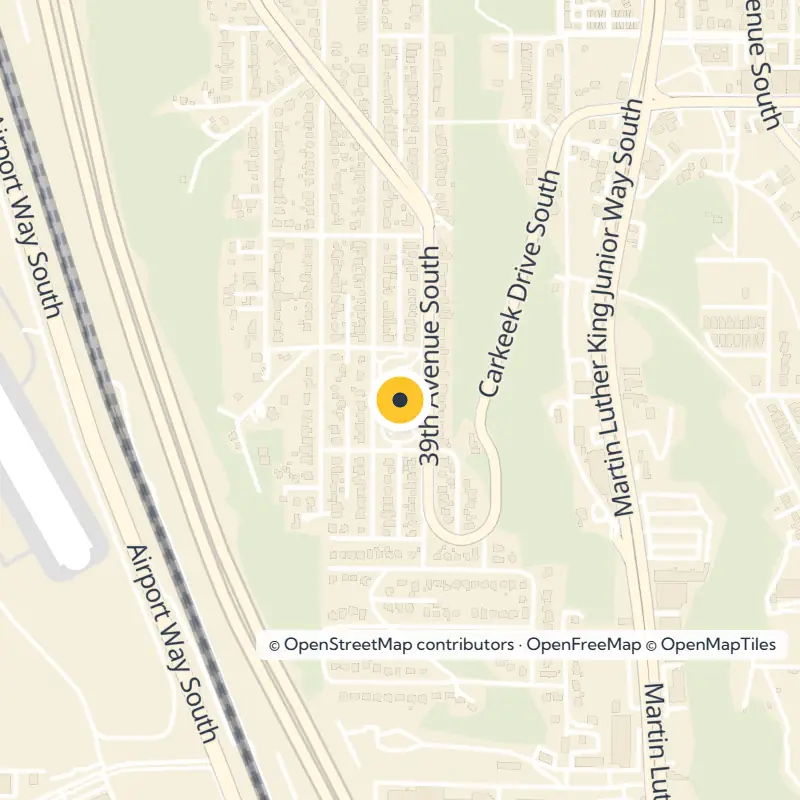
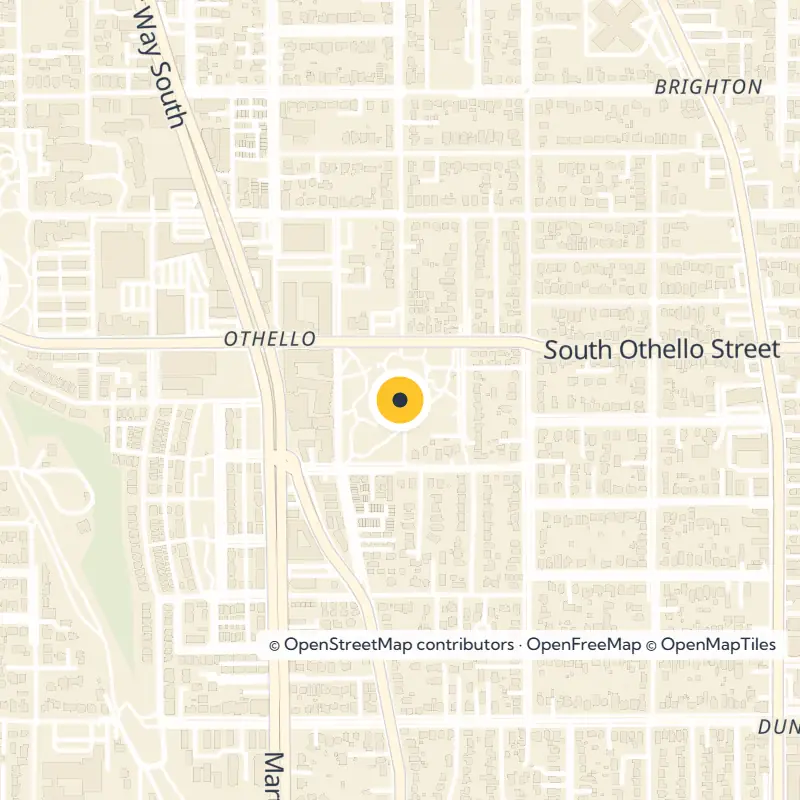
The garden sits in a residential corner of Rainier Beach, in the Rainier Valley, with several smaller green spaces close at hand. Hutchinson Playground and Sturtevant Ravine are each about 0.3 miles away, and Fletcher Place is roughly 0.4 miles off.
Go a little farther, about 0.6 miles, to reach Chinook Beach Park, the Rainier Beach Branch library and the historic Old Fire Station #33. Emerson Elementary School is about 0.4 miles from the garden.
To compare Kubota Garden with another Japanese-style landscape in the city, spend a garden-focused day pairing it with the Seattle Japanese Garden and the larger Washington Park Arboretum. For more ideas, browse all Seattle parks.