The Lake Union Loop
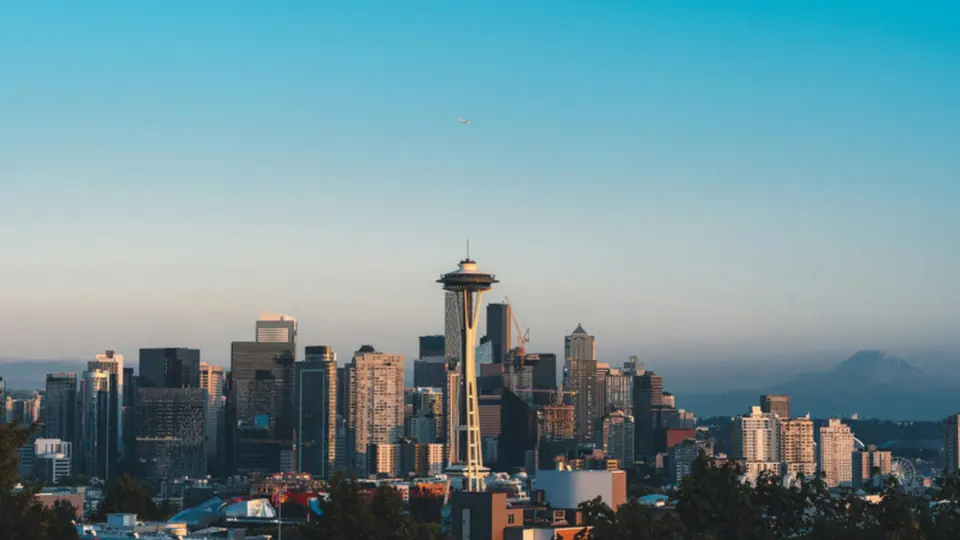
Trace the edge of Lake Union on this roughly 6.5-mile route, named for a former Duwamish chief. It blends paved multi-use paths, sidewalks and quiet streets as it links neighborhoods, parks and other trails, and the Museum of History and Industry (MOHAI) makes a convenient starting point. Along the way, take in skyline views, public art and cafés while a steady parade of boats and floatplanes keeps the water lively.
Old-Growth Forest on Lake Washington
Head to the city's largest old-growth forest park for a 2.4-mile circuit along the Lake Washington shore. The smooth, wide and mostly level path moves between shaded groves and open stretches with water views. Bring binoculars: the park is busy with birdlife, and benches and quiet overlooks give you plenty of places to pause and watch.
Olympic Sculpture Park and Myrtle Edwards Park
Elliott Bay shimmers on one side and downtown towers rise on the other at Olympic Sculpture Park, one of the most scenic green spaces in town. Its paved paths curve gently past large art installations, including Alexander Calder's red Eagle, and a rose garden. Keep rolling north into Myrtle Edwards beach park, where benches are plentiful and the park pavilion has accessible restrooms.
Alki Beach Promenade
Stroll or roll West Seattle's Alki promenade beside a sandy beach on Elliott Bay. The path is wide, paved and flat, with separate lanes for people on foot and people on bikes, and the views stretch across the downtown skyline, Puget Sound and the Olympic Mountains. Grab a bite at one of the casual restaurants along the strip, and know that the Alki bathhouse has ADA-accessible restrooms.
A Downtown Walking Loop
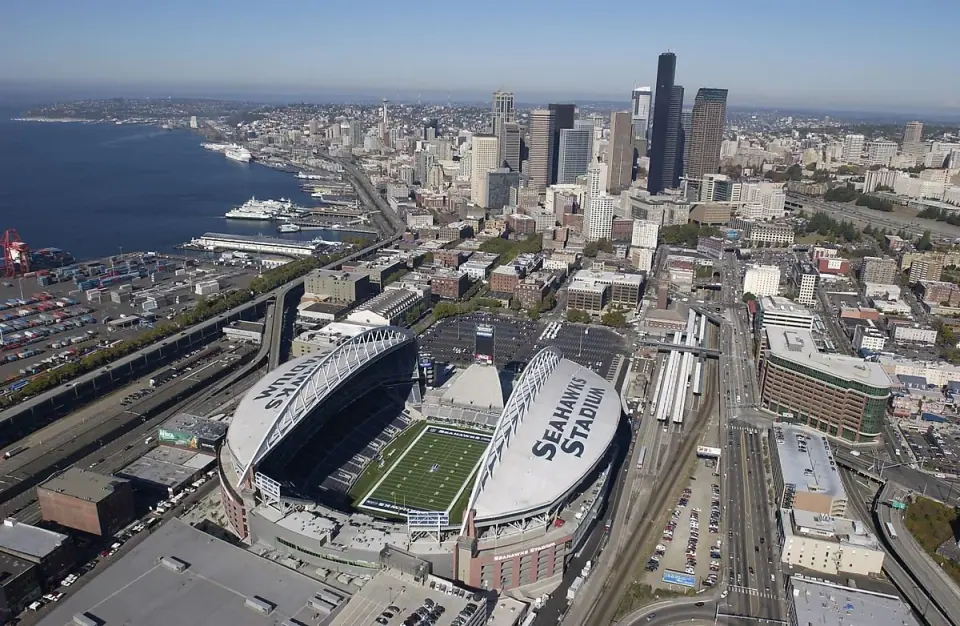
Created for the FIFA World Cup 2026, this 4.25-mile pedestrian-friendly loop links Lumen Field with Seattle Center. Follow it through the waterfront, Pioneer Square, the Central District and the Chinatown-International District, with plenty of public art to admire and places to eat along the route.
Accessible Attractions and Museums
Many of Seattle's headline sights have put real thought into access. Here is what stands out and why it makes your visit easier.
Big Views Without Stairs
- Space Needle: Ride dedicated lifts up to the observation deck and the rotating glass floor at the Space Needle.
- Seattle Great Wheel: A lift and ramp let you roll straight into a gondola for a trip 175 feet above the waterfront.
- Argosy Cruises: Every boat in the fleet is set up for wheelchairs, and staff help guests using mobility aids get across docks and aboard.
- Snoqualmie Falls: Make the easy day trip from the city, where accessible parking connects to a paved ramp with wide views of the falls.
Museums Built for Everyone
Browse Seattle Art Museum knowing it is fully wheelchair accessible, with magnifiers and visual aids for low vision, ASL interpretation and audio guides with verbal translations. Its two sister sites, Olympic Sculpture Park and the Seattle Asian Art Museum, are also well equipped. At the Museum of Flight, every exhibit can be reached by wheelchair, which matters in a place full of aircraft and large galleries.
The Museum of Pop Culture (MOPOP) lends wheelchairs to visitors who need one. Arriving by car is simpler at the Pacific Science Center, thanks to its accessible dropoff areas and parking spaces.
Seattle PlayGarden
Spend an afternoon at this acre-wide Central District space, which calls itself the garden for everyone and was designed around children with different abilities. Flower and vegetable beds are accessible, play structures and art pieces are bright and inviting, and trained staff can lend support. Join in on wheelchair basketball games, which are open to all ages.
Sensory-Friendly Spaces and Programs
Access is not only about ramps. A growing number of venues support people who find crowds, loud noise, flashing lights or strong smells overwhelming, including many neurodivergent visitors and people living with conditions like PTSD or early onset dementia.
- Pacific Science Center has a calming sensory lounge and hosts Exploration for All days with dimmer lights and less noise.
- MOPOP offers noise-canceling headphones, sensory rating cards that show how stimulating each exhibit is during regular hours, and occasional sensory-friendly events with softer light and sound.
- The Museum of Flight holds sensory days for neurodivergent guests, with lighting and sound turned to comfortable levels.
- The Burke Museum lends fidget wristbands, visors and noise-reducing earmuffs, and caregivers get in free.
- Zoomazium, the zoo's indoor play area for kids up to age 8, runs sensory-friendly Fridays. The zoo also publishes an accessibility guide covering noisy and quiet areas and times, and it lends fidget tools, headphones and weighted lap blankets. Next door, the Rose Garden has a sensory area made for touching and exploring.
- Seattle PlayGarden sets aside quiet spaces where children can rest and reset.
Live performance is catching up as well. Catch a sensory-friendly show from the organization that runs the Paramount, Neptune and Moore theaters, where a team including an autistic teen, an autism therapist and a psychologist reviews its Broadway at The Paramount productions. The local arena that hosts pro women's basketball and hockey has a sensory room and free kits with headphones, fidget tools, feelings thermometer cards and IDs that help staff recognize guests with access needs.
Getting Around on Wheels
From the airport to the city center, transit is ready for riders with disabilities. SEA Airport, Sound Transit's Link light rail and King County Metro buses offer features such as wheelchair lifts, braille signage and text-to-audio ticket machines. For trips that transit does not cover, call on Seattle Yellow Cab, which runs a large fleet of ramp-equipped vehicles.
Hills are the real challenge here. Before heading out, check an interactive steepness map to see the grade of your planned route and find gentler streets.
Tips for Planning Your Day
- Sensory days, accessible performances and special events run on set schedules, so check each venue's official site before you go.
- Hours and admission policies can change, so confirm current details directly with the attraction.
- Pair a flat walk with a nearby sight. Olympic Sculpture Park sits close to the downtown waterfront, and the Green Lake loop makes an easy half-day on its own.