Entrances and the deep platform
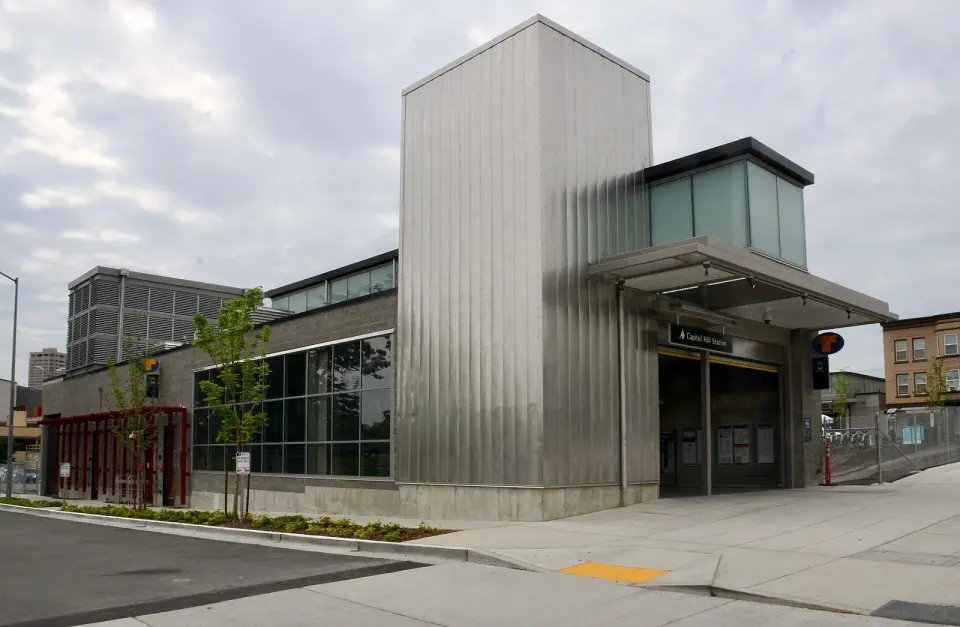
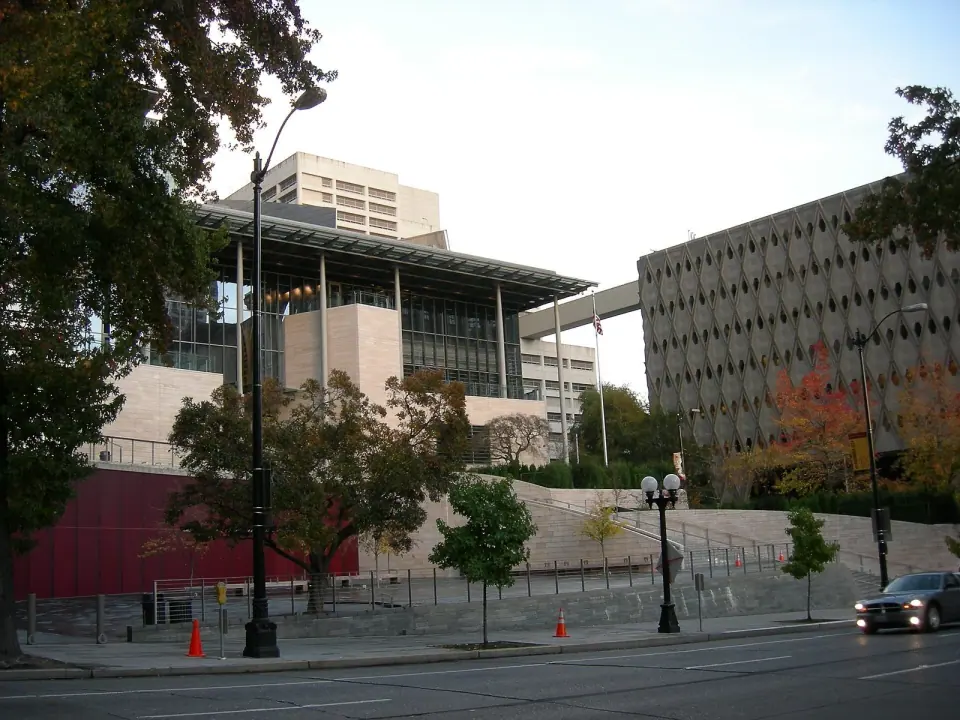
Trains stop at a single island platform roughly 65 feet below the street, so one platform serves both directions. Two mezzanine levels link that platform to three separate street entrances. Since the trains run so far down, build in a little extra time to reach them, especially when you are aiming for a specific train.
Before you travel, check Sound Transit for an official station map and entrance locations.
Ride Seattle Light Rail to Capitol Hill Station
Lines and how often trains come
Two Link light rail lines, the 1 Line and the 2 Line, both stop here. Ride south toward Westlake and downtown, or head north toward University of Washington station.
Service runs about twenty hours a day on most days. At peak periods a train pulls in every six minutes, with longer gaps early, late and during quieter stretches. Schedules can change, so confirm current times with Sound Transit before you set out.
Connect by streetcar and bus
Hop on the First Hill Streetcar, which stops near the station, to continue toward First Hill without a long uphill walk. Several King County Metro bus routes also stop nearby. Route numbers and timetables change, so look them up with King County Metro before you count on a transfer.
Look for the Public Art
Keep your eyes open, because the station doubles as a small gallery. Its best known piece is Jet Kiss, a sculpture by Mike Ross, and Seattle cartoonist Ellen Forney created two murals here too, lending the long trip between street and platform a distinctly local feel.
Art shaped the site even before opening day. Through five years of construction, a 24-foot red wall surrounded the work zone, and local street artists covered it with their creations.
Walk Out and Explore
Cal Anderson Park and the farmers market
Step out on the east side and Cal Anderson Park is right in front of you. On Sundays and Tuesdays, stroll a block from the park to the Capitol Hill Farmers Market, which sets up at East Denny Way and Broadway East. Check the market's official schedule for current hours and seasons.
Volunteer Park and its glasshouse
Walk north to reach Volunteer Park, a 48.3-acre park designed by the Olmsteds. Climb to the observation deck of its 1906 water tower, or spend time at the Seattle Asian Art Museum. Then wander through the Volunteer Park Conservatory, a city-owned Victorian greenhouse from 1912, where five display houses range from carnivorous bog plants to a jade tree grown from a 1916 cutting.
A library and smaller parks
Duck into the Capitol Hill Branch Library at Harvard Avenue East and Republican Street, housed in a 2003 building by Cutler Anderson Architects. It makes a quiet place to wait out the rain or charge up between stops.
For a short detour with a story, visit Plymouth Pillars Park at Boren Avenue and Pike Street, where four columns saved from a downtown church damaged in the 1965 earthquake stand on display, alongside an off-leash dog area and a walkway above I-5. Tashkent Park, dedicated in 1974, offers shade, a lawn and plenty of seating. Seven Hills Park at 16th and Howell was fenced in September 2025, so check its status first.
Landmark buildings in Stevens
Head east of Broadway into the Stevens neighborhood to find a cluster of official City of Seattle landmarks. St Joseph's Church, a Jesuit parish on 18th Avenue East, fills a 1930 building designated landmark number 67. Capitol Hill United Methodist Church on 16th Avenue East earned its designation in 1977, and La Quinta on East Denny Way is protected too. Browse more in our guide to Seattle landmarks.
Shops and food along Broadway
Browse Broadway, a major commercial strip lined with stores and other businesses at street level. The two blocks cleared to build the station became a transit-oriented, mixed-use complex that opened in 2021, so today you ride beneath new homes and storefronts.
How Capitol Hill Got Its Subway Stop
The idea reaches back further than most riders guess. Urban planner Virgil Bogue's 1911 plan for Seattle imagined an underground loop under Capitol Hill and Broadway, though the city rejected it, and the Forward Thrust transit plan, voted down in 1968 and 1970, also included a Broadway station.
Voters turned down a larger regional plan in March 1995, then approved a smaller one with a tunneled Capitol Hill station in November 1996. Rising costs and tunneling problems later stalled the project, so Sound Transit deferred the segment in 2001 and chose a new route in 2004. The $1.9 billion University Link project won approval in 2006.
Construction and opening day
Demolition began in March 2009 and cleared 20 buildings, including the Espresso Vivace coffee shop, a used book store and a three-story apartment building. About 90 percent of the material was recycled, and scrap metal sales helped fund hot meals for homeless residents.
In June 2011, a tunnel boring machine named Brenda set out from Capitol Hill toward Westlake, while two other machines, Balto and Togo, dug in from the university end and arrived in 2012. The station welcomed its first riders on March 19, 2016.