Good Business Network of Washington
Browse the Good Business Directory, run by the Good Business Network of Washington, the nonprofit formerly known as the Seattle Good Business Network. It launched in 2010 with Think Local Seattle, a citywide campaign and directory of local independent businesses, and today the directory spotlights companies and organizations for the good they do in their neighborhoods. Use it when you want a local service, a caterer or a shop with community roots.
Seattle Made
Look to Seattle Made when you want something produced right here, from food and drinks to textiles and jewelry. The program, run by the same nonprofit network, celebrates the city's urban makers and lists its member businesses online, which makes it a reliable source for gifts that were actually made in Seattle.
GSBA
Search the LGBTQ Chamber Directory at GSBA, which describes itself as the largest LGBTQ+ and allied business association in North America and has served Washington State since 1981. Its member listings cover shops, restaurants, nonprofits and professional services, and our LGBTQ+ Seattle guide pairs well with it.
Spend a morning at Pike Place Market
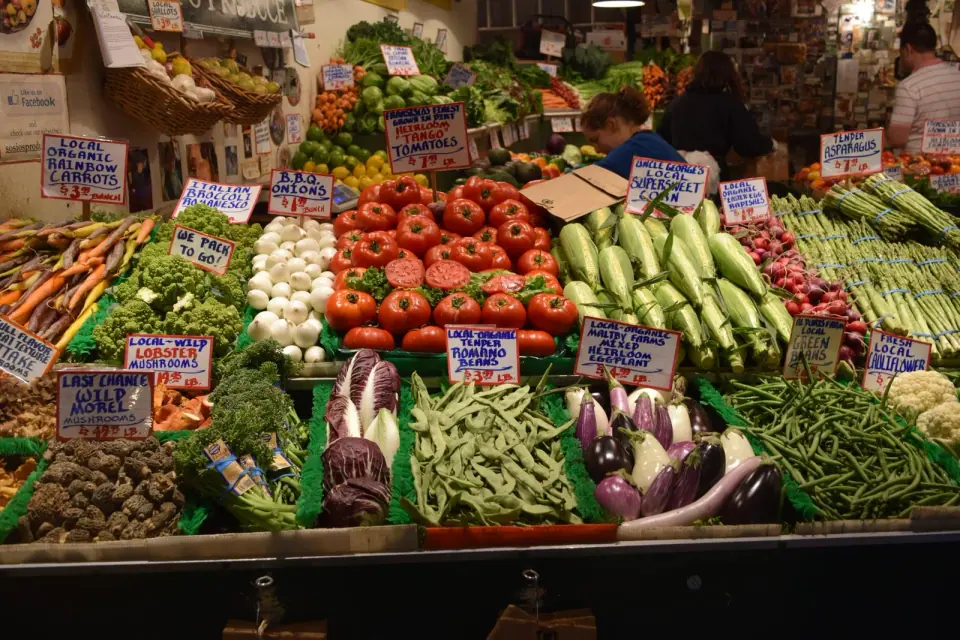
Head to Pike Place Market, founded in 1907 and, in its own words, one of the oldest and largest continuously operating public markets in the United States. The Market spreads across a nine-acre historic district between First Avenue and Western Avenue, and it is home to about 500 small businesses along with local farmers, artists, craftspeople and buskers.
Stroll the arcades in the morning, when farmers are still stacking produce and craftspeople are setting out their work, then wander the lower levels for small specialty shops you would never find in a mall. The Market's online directory and trip planner let you pick the businesses you want to see ahead of time, and our guide to eating at Pike Place Market covers the food counters worth a stop.
Walk a neighborhood business district
Most Seattle neighborhoods have a main street lined with owner-run shops, cafes and restaurants. The City of Seattle keeps a list of neighborhood business organizations, from the Ballard Alliance and the Fremont Chamber of Commerce to the Columbia City Business Association, the West Seattle Junction Association and the Georgetown Merchants Association, and their websites are often the best guide to what is open on each block.
- Ballard: The Ballard Alliance runs Visit Ballard, a one-stop visitor hub for the neighborhood's Scandinavian heritage, food, arts and shopping districts. Pair it with our Ballard shopping guide.
- Fremont: Wander from the canal up into the neighborhood's independent shops on a Sunday, when the street market described below is in full swing.
- Capitol Hill: The Broadway and 15th Avenue East business improvement areas, along with GSBA's Capitol Hill program, all appear on the city's list.
- The South End: The Columbia City Business Association, the Beacon Business Alliance and HomeSight, which works across Columbia City, Hillman City, Othello and Rainier Beach, all support local owners.
- West Seattle: The West Seattle Junction Association and the West Seattle Chamber of Commerce both champion the neighborhood's shops and restaurants.
Independent bookstores make a natural first stop in almost any district, so browse our roundup of Seattle bookstores. If you love secondhand finds, the vintage and flea markets guide points you to the city's best hunting grounds.
Shop the farmers markets
Buy directly from growers and food makers at Seattle's neighborhood farmers markets, where the person behind the table usually grew, caught or baked what you are buying. The nonprofit Neighborhood Farmers Markets runs seven markets in the city, in the University District, West Seattle, Capitol Hill, Columbia City, Lake City, Phinney and Magnolia, with a mission to support Washington's small family farms.
Seasons and hours shift through the year, so check each market's own site before you set out.
Tips for finding the real locals
- Search with intent: Try phrases such as "independent bookstore in Ballard" or "family-owned bakery in Columbia City" rather than a broad category.
- Talk to the makers: At markets and craft fairs, ask vendors whether they made the item themselves, since most are glad to share the story.
- Follow neighborhood news: Hyperlocal blogs report new openings and closures every week, and our Seattle news page lists the ones worth following.
- Check before you go: Small businesses often keep shorter or seasonal hours, so confirm on their own website or social pages.