By the 1920s, the congregation had outgrown its early setup and started planning a new church. That ambition was about to run straight into one of the hardest economic periods in American history.
A Gothic Dream, Scaled Back
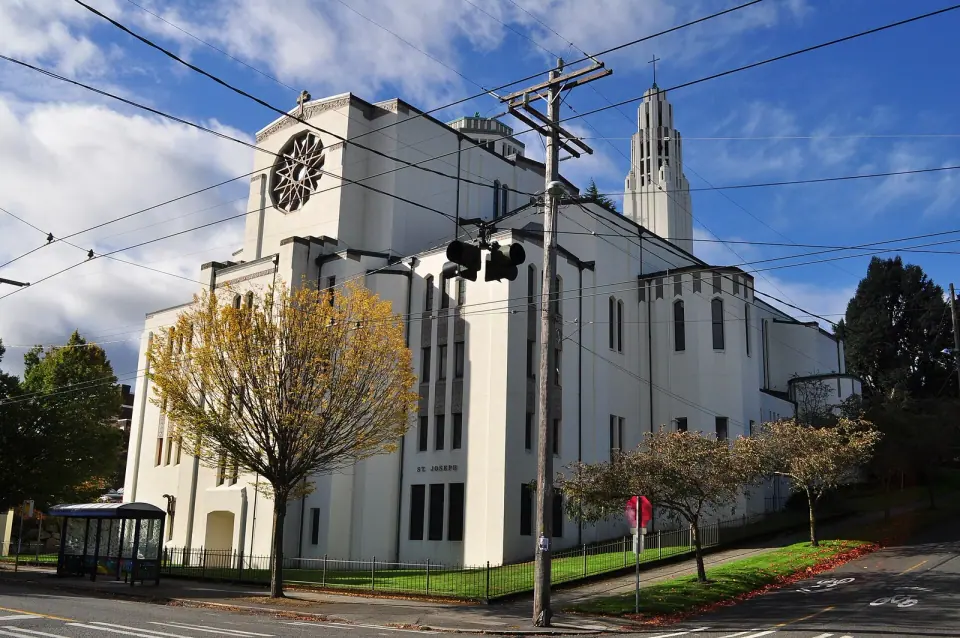
Picture the church that was first drawn up: a Gothic design faced in granite. When the Great Depression hit, the parish trimmed the project, and the church you see today was completed in 1930 as a more modest version of that early vision.
That compromise is part of what makes the building worth knowing. It tells the story of a congregation that built what it could afford in a lean time, and the Seattle Landmarks Preservation Board has since given it official protection.
Vatican II and the Missing Statues
In 1965, acting in the spirit of the Second Vatican Council, the parish took its statues out of the church. The change went well beyond decoration. It marked the start of a turn toward a parish identity centered on social justice, a direction St. Joseph's has kept growing into over the decades since.
A Home for Seattle's LGBTQ Catholics
Under Archbishop Raymond Hunthausen, Seattle's Catholic clergy gained a reputation for accepting lesbian and gay Catholics. Sitting in the heart of Seattle's gay neighborhood, St. Joseph's became a center of that support.
Dignity and the Weekly Mass
In 1983, Hunthausen hosted a conference of DignityUSA at nearby St. James Cathedral. Dignity is an organization that urges the Catholic Church to change its position on homosexuality. Through the 1980s and 1990s, St. Joseph's hosted Dignity's Seattle chapter and held a weekly mass for LGBTQ Catholics.
What Changed After 2001
That weekly mass ended in 2001 under pressure from the archdiocese, and Dignity no longer operates within the parish. St. Joseph's still runs an active LGBTQ ministry, which aims to offer an inclusive, supportive community to LGBTQ parishioners and neighbors alike.
A Parish Growing Through Mergers
St. Joseph's is in the middle of real change. In 2022, St. Patrick's Parish in Portage Bay merged into St. Joseph's, and in 2024 the archdiocese's Partners in the Gospel plan paired it with St. Therese Parish in Madrona.
The two parishes plan to fully merge before the end of the 2020s. If you are visiting or settling in nearby, expect schedules and ministries to keep evolving as that process unfolds.
Planning Your Visit to 18th Avenue East
This is an active parish, so the best way to experience the church is to attend a service. Check the parish's official website for mass times and current details before you go, which is especially worthwhile while the parish structure is changing.
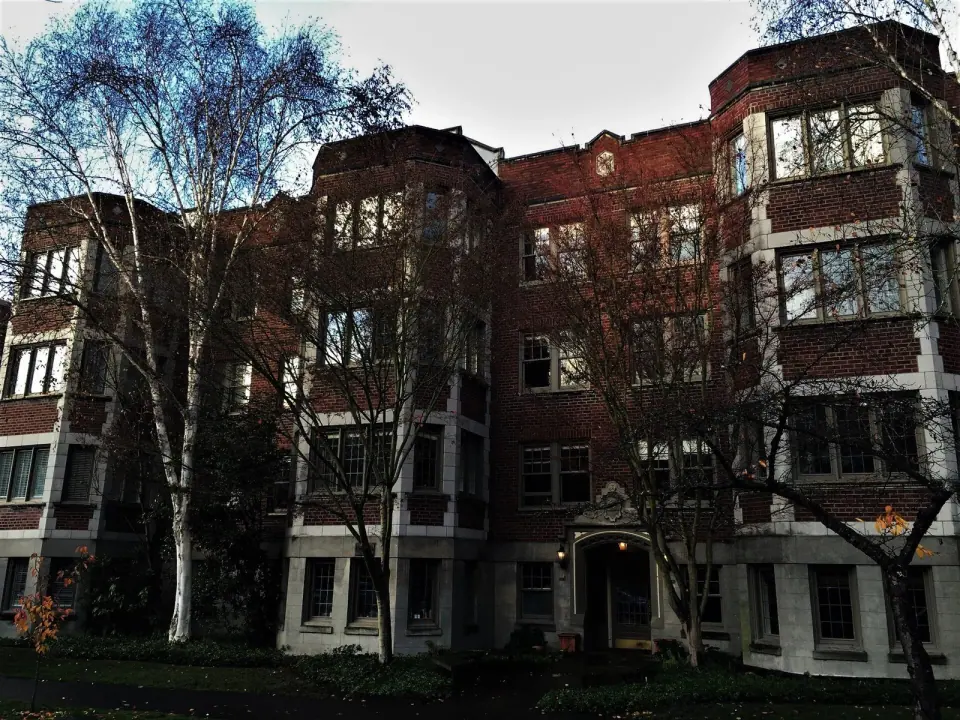
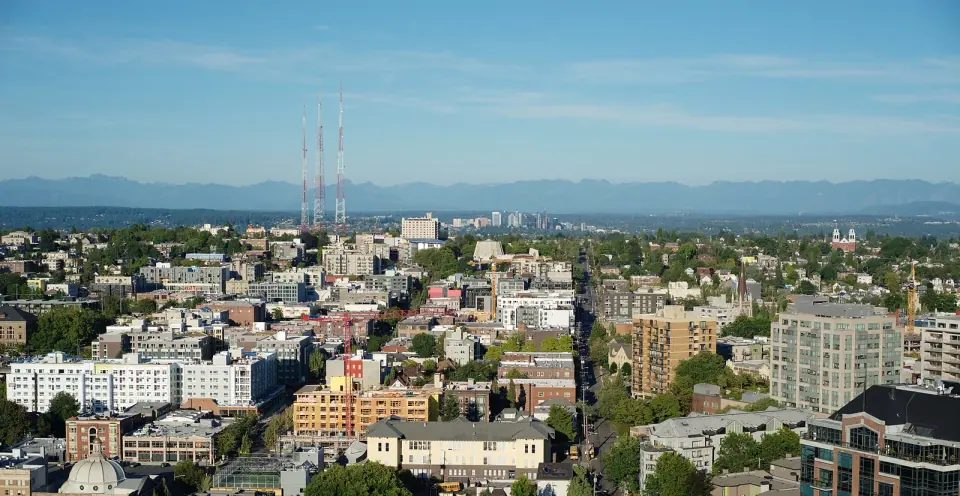
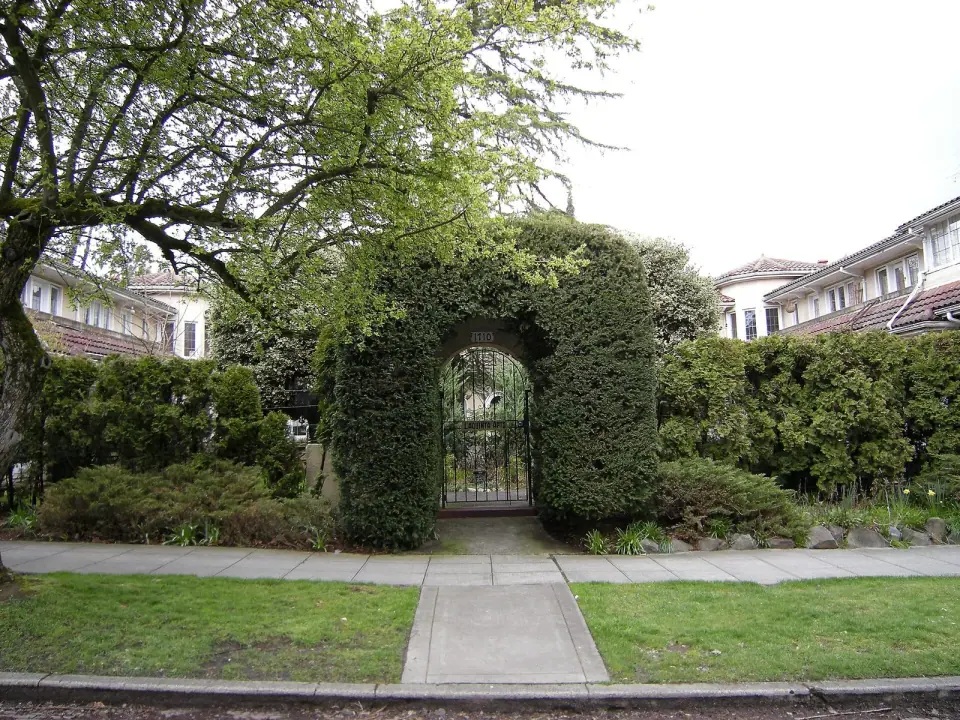
Then spend some time in the surrounding Stevens neighborhood on Capitol Hill, a largely residential area where the church makes an easy stop on a walking tour of historic homes.
Gardens and Landmarks a Short Stroll Away
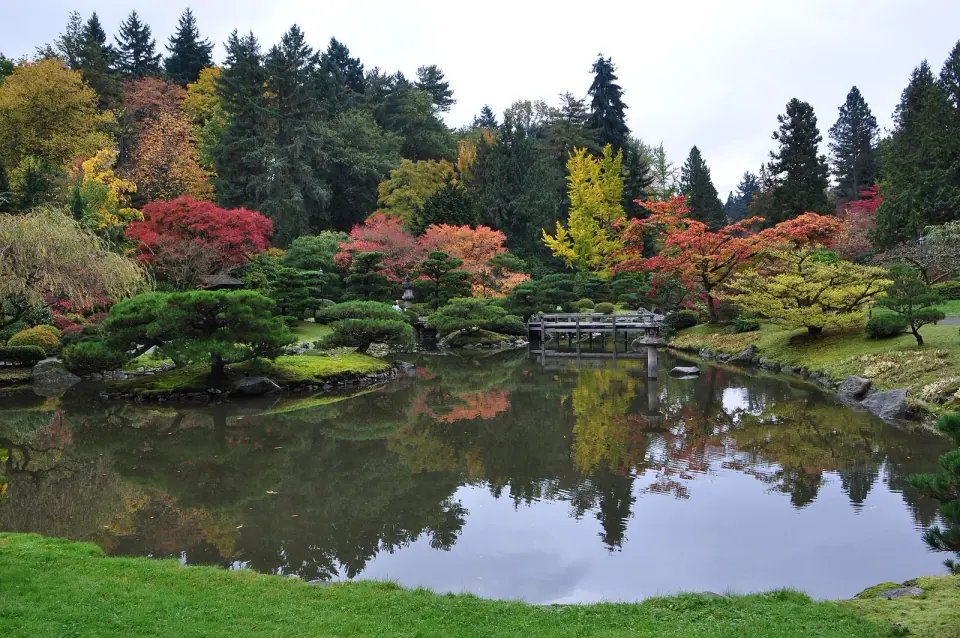
Several protected sites lie within about a third of a mile of the church, so it is simple to pair your visit with a stroll through north Capitol Hill:
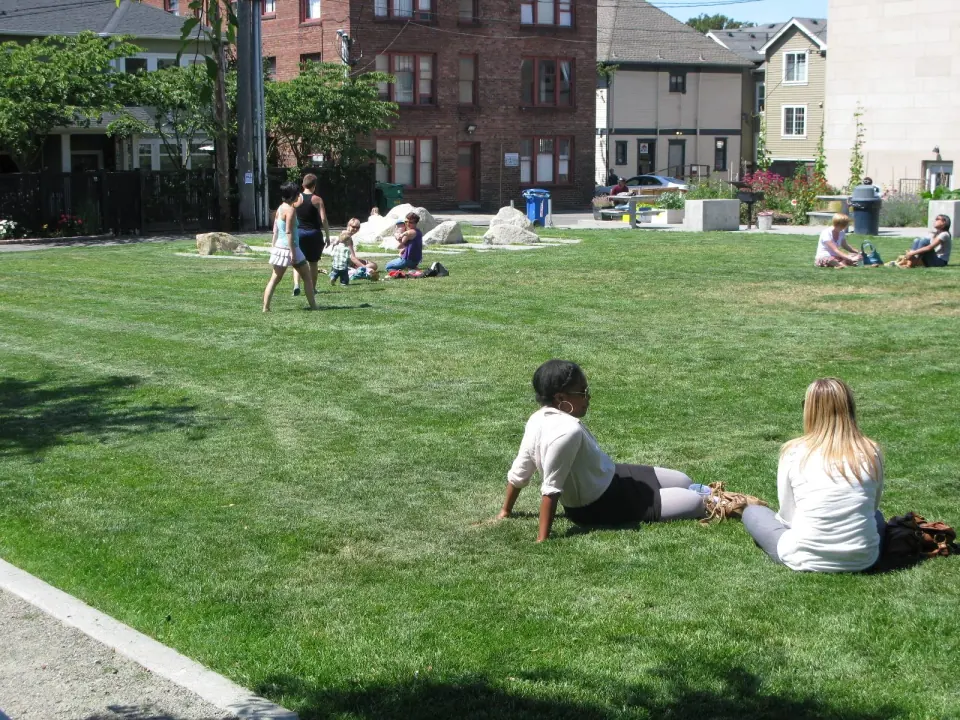
- Pelican Tea Garden, a community garden about 0.1 mile away
- Republican, a community garden about 0.2 mile away
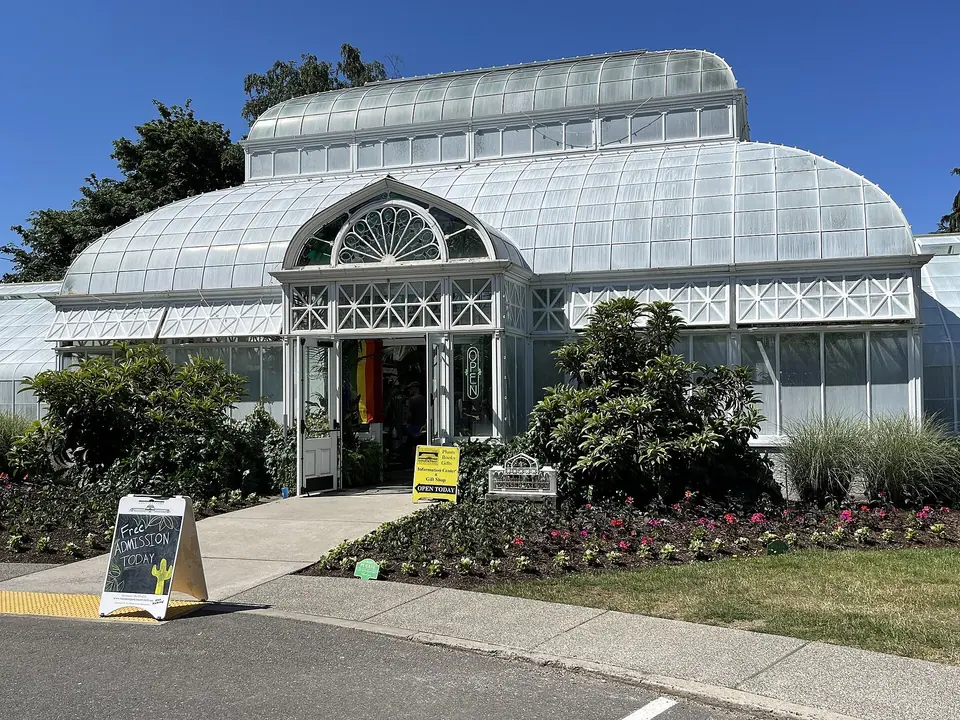
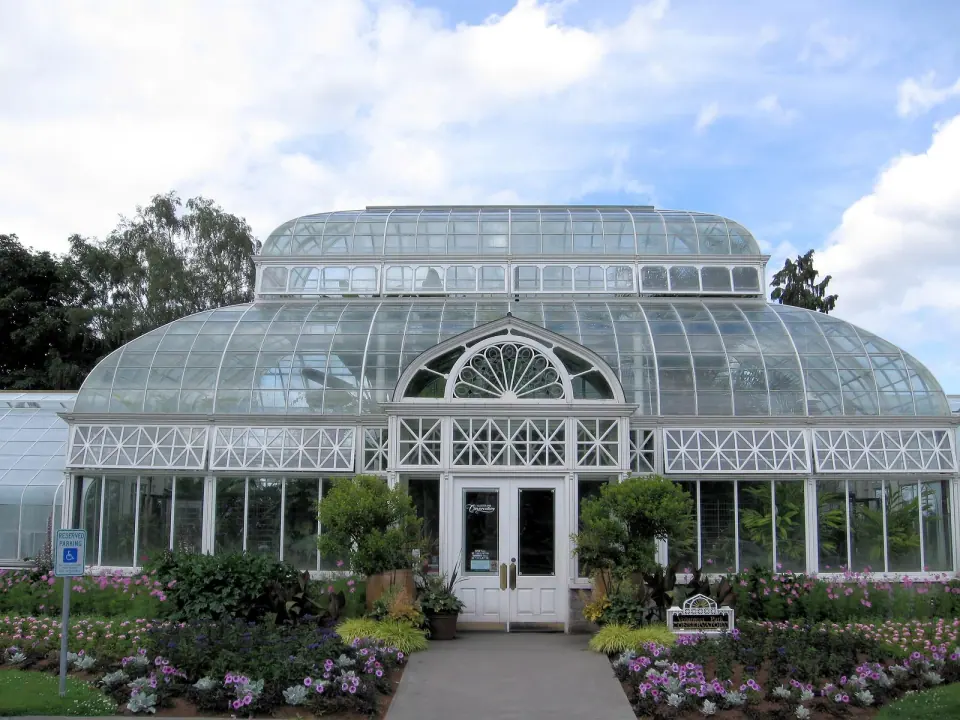
- Volunteer Park, a city landmark about 0.3 mile away
- Bloch House, a landmark about 0.3 mile away
- Bordeaux House, a landmark about 0.3 mile away
- Parker-Fersen House, a landmark about 0.3 mile away
- Moore Mansion, a landmark about 0.3 mile away
Ready to see more designated sites across the city? Browse our full list of Seattle landmarks.