- Fountain and reflecting pool: at the north end, a large mountain-shaped fountain spills into a shallow texture pool and a long reflecting pool, a calm place to sit and watch the water.
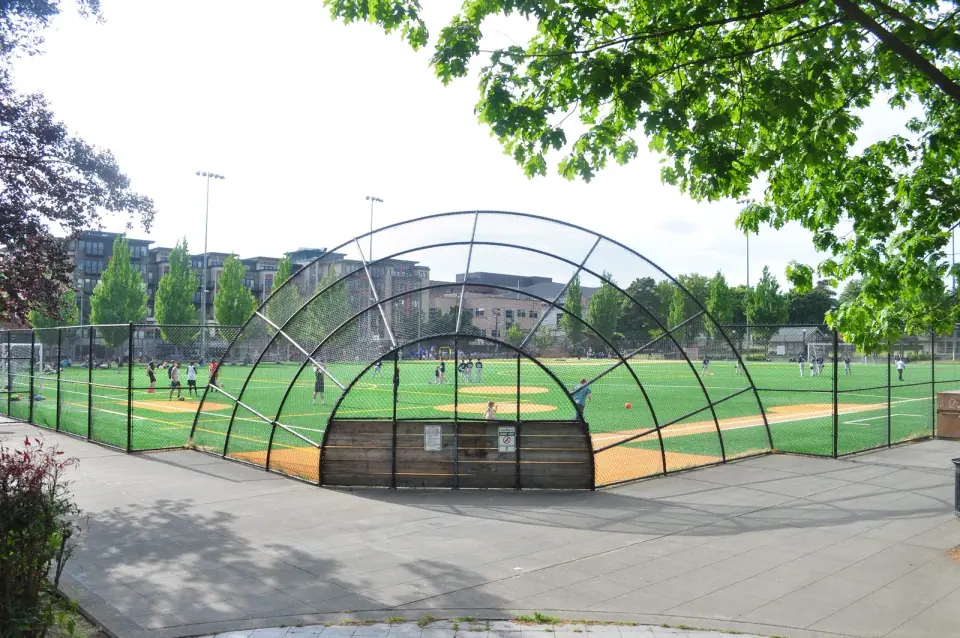
- Bobby Morris Playfield: the lighted sports field at the south end, used for soccer, baseball and softball.
- Tennis courts: lit courts managed by the Amy Yee Tennis Center.
- Wading pool and play area: a children's play area plus a wading pool that opens in summer.
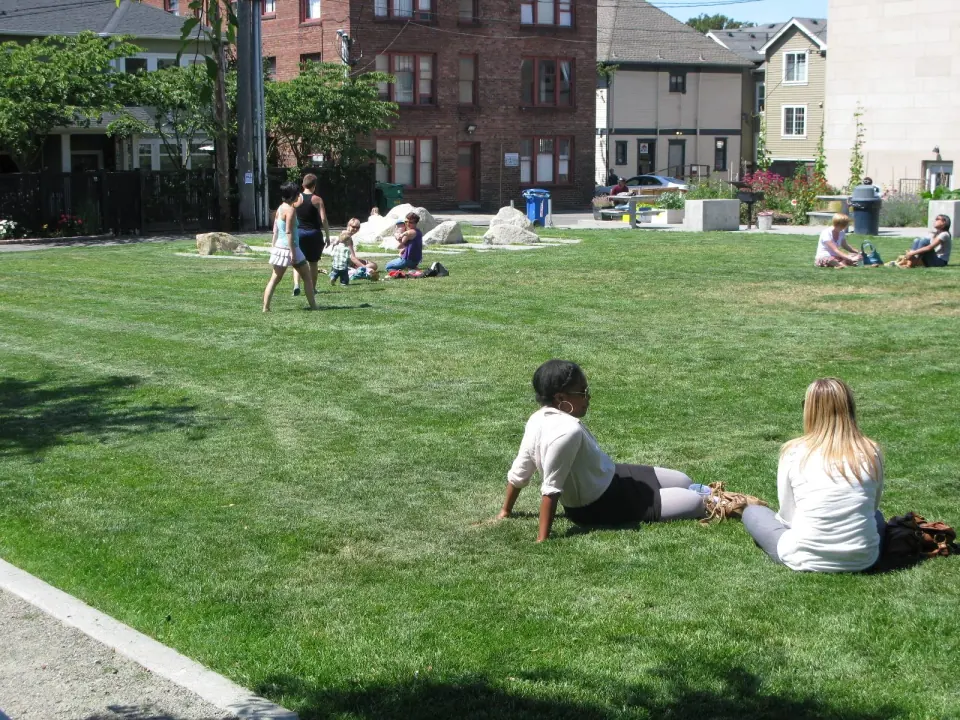
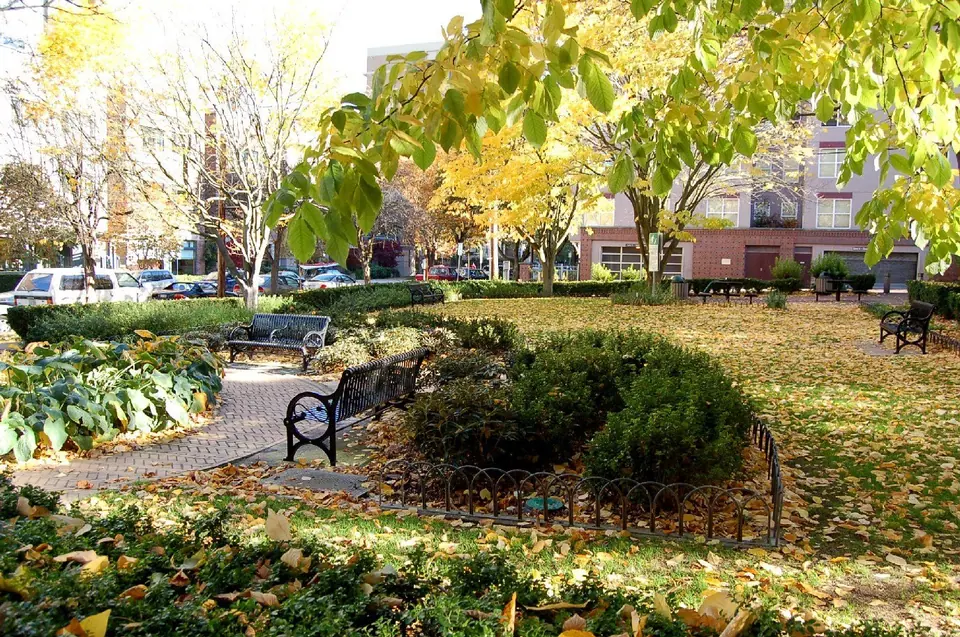
- Shelterhouse and plaza: a shelterhouse, a paved plaza, promenade paths and oversize chess boards.
- Basics: restrooms and drinking fountains.
Walk the sidewalk loop around the park, including the playfield, and you will cover about two-thirds of a mile, a handy distance for an easy lap before dinner.
Park Hours
Seattle Parks lists the park as open from 4 a.m. to 11:30 p.m. The wading pool runs only during the summer season; see our guide to Seattle wading pools and spray parks and check the city's schedule before you bring swimsuits.
Getting There
Ride Link light rail to Capitol Hill Station, served by the 1 Line and 2 Line. One of the station's entrances is in the northwest corner of the park at East Denny Way and Nagle Place, and Seattle Parks describes the park as just southeast of the station. From Westlake downtown the ride is a single stop, which makes Cal Anderson an easy first stop on a Capitol Hill day.
History of Cal Anderson Park
The park grew around Lincoln Reservoir, begun in 1889 after the Great Seattle Fire showed the city needed more water and completed in 1901. The Olmsted Brothers designed the surrounding park, and the land just south was developed as a playfield in 1908. To avoid confusion with the new Lincoln Park in West Seattle, the playfield became Broadway Playfield in 1922, and in 1980 it was named for Bobby Morris, a former King County auditor.
On April 10, 2003, the whole site was renamed Cal Anderson Park to honor Cal Anderson, Washington's first openly gay state legislator, who died of AIDS-related complications in 1995. Between 2003 and 2005 the open reservoir was rebuilt as a covered basin beneath the park, and in 2009 Forbes named it one of the best city parks in the country. In June 2020 the park became the center of the Capitol Hill Occupied Protest, part of the citywide protests that summer, as recorded in the park's history.
The park's name ties it to Capitol Hill's role as the heart of LGBTQ+ Seattle; our LGBTQ+ Seattle guide covers Pride events and other places to visit nearby.