Washington Park Arboretum
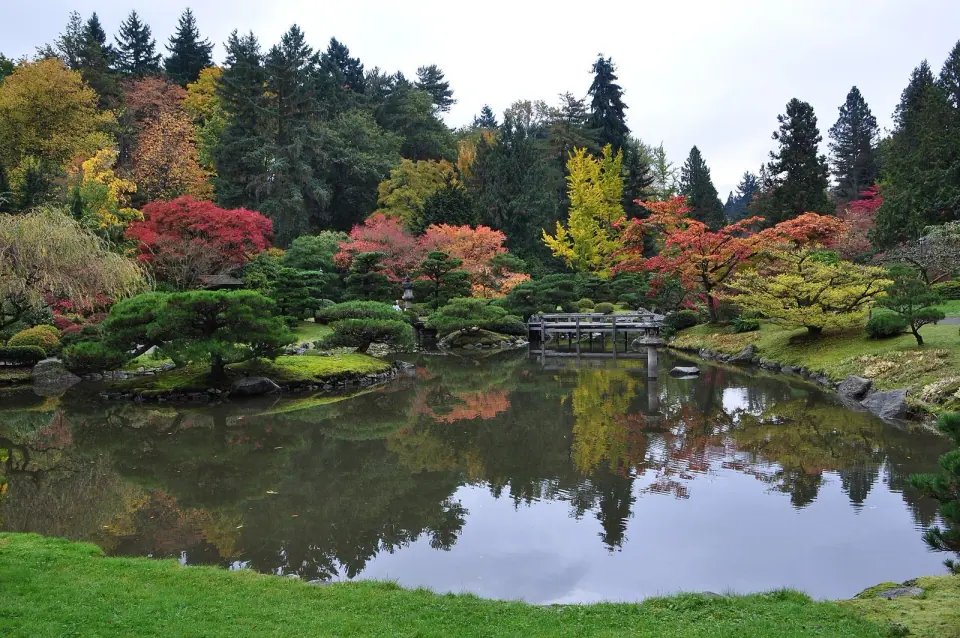
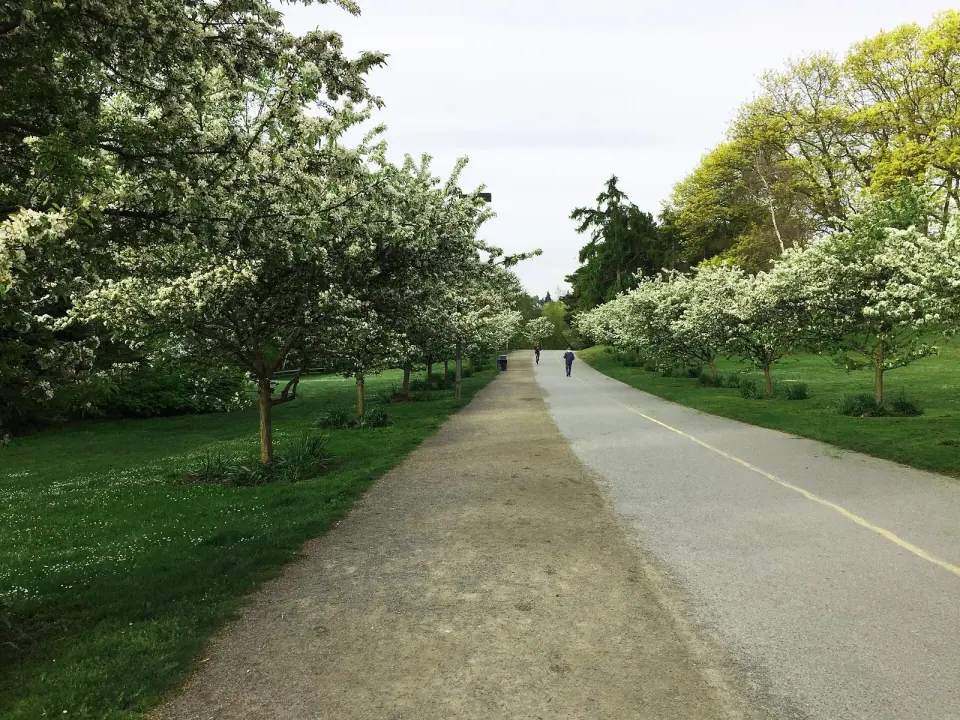
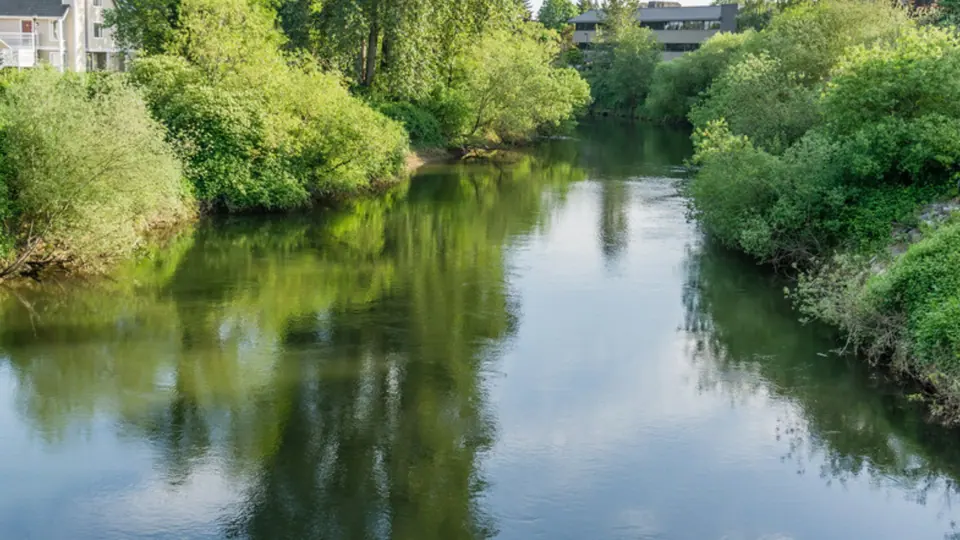
Spread across most of Washington Park in Madison Park, the Arboretum invites you to stroll Azalea Way, its signature walk, then follow paths along a spring-fed creek and the wetlands of Union Bay. As you wander, you are tracing ground whose story runs from a Duwamish portage route to a neighborhood fight against a freeway. Our Washington Park Arboretum guide walks you through the trails in more depth.
Kubota Garden
Spend an unhurried afternoon at Kubota Garden, a 20-acre Japanese garden that a single immigrant gardener began on swampy ground in 1927. Today it is a public park of ponds and a bamboo grove, with a core that the city has designated a landmark. Slow down here, since it rewards a lingering wander far more than a quick stop. Read our Kubota Garden guide before you head to Rainier Beach.
Seattle Chinese Garden
Head out to West Seattle and 6000 16th Ave SW for the Seattle Chinese Garden, another lovely choice for spring blooms. Make it part of a longer day exploring the southwest side of the city.
Follow the bloom calendar
Color arrives in Seattle earlier than many visitors expect. Look for daffodils, crocuses and camellias opening around February, and from there parks across the city fill with flowers.
Late winter and spring: cherries, rhododendrons and azaleas
Catch the city's most famous cherry display around the Quad on the University of Washington campus, off the south end of Memorial Way NE. Its 29 Yoshino cherry trees arrived as a gift from Japan, and they usually flower from mid-March into early April, though the timing shifts with each year's weather.
Keep the celebration going at the Cherry Blossom and Japanese Cultural Festival, held over three days in early April on the South Fountain Lawn at Seattle Center. Check the festival's official listing for this year's dates.
Over at the Arboretum, rhododendrons start opening in late February and reach their peak in April and May, in shades of white, pink and deep maroon. Wander the Arboretum and the Japanese Garden next door for azaleas, magnolias, dogwoods and still more cherry blossoms.
May and June: roses
By May the roses take over, and they look their best right through June. Make the Woodland Park Rose Garden at 750 N 50th St your classic stop, then pair it with Woodland Park Zoo next door for an easy combined outing. For roses with a water view, head to Centennial Park at 2711 Alaskan Way W, which looks out over Elliott Bay.
Gardens under glass for rainy days
When the drizzle rolls in, duck indoors and keep the plant-watching going at these glass-covered gardens.
- Volunteer Park Conservatory: Find this 1912 conservatory in Capitol Hill's Olmsted-designed Volunteer Park, where you can also climb the water tower and browse the Seattle Asian Art Museum.
- The Spheres: Amazon's downtown conservatories hold about 40,000 plants and welcome the public on the first and third Saturday of each month. Reservations are required, so book early through the official site.
- Tropical Butterfly House: At Pacific Science Center, step into a warm, humid room where hundreds of butterflies flutter among tropical plants. Kids love it, and it makes a welcome escape on a cold day.
While you are at Seattle Center, look for its plant-inspired public art, including Grass Blades beside MoPOP and Sonic Bloom near the base of the Space Needle.
Green spaces in the middle of downtown
You never have to leave the city core to find something planted. Explore Freeway Park, a Brutalist series of concrete plazas thick with evergreen plantings that bridges over I-5. Nearby, at Seventh Avenue and Union Street, the flowerpot sculpture Urban Garden adds a cheerful note to your walk.
On the north end of the waterfront, spend some time in the Seattle Art Museum's free, nine-acre Olympic Sculpture Park. Native plants fill the grounds, and design features reuse rainwater and help restore salmon habitat, showing how a former industrial site can work as both a garden and an outdoor gallery.
Pike Place Market keeps a quieter corner of its own, the Secret Garden, where residents and staff grow herbs and vegetables for neighbors facing food insecurity. Before you leave the market, admire the flower bouquets it is known for.
Seattle's P-Patch program places city-run community gardens in neighborhoods from Bitter Lake to Beacon Hill. These are working plots tended by local gardeners, so walk the paths with care and leave the harvest where it grows.
- Interbay P-Patch: One of the originals from 1974, with 132 plots spread over about 43,000 square feet at 15th Ave W and W Wheeler St.
- Magnuson Park P-Patch: 128 plots in Sand Point, gardened since 1977 and close to the park's dog area.
- Thistle P-Patch: A 77-plot garden in South Beacon Hill that also dates to 1974.
- Danny Woo International District Community Garden: Look for it inside Kobe Terrace, a one-acre park named for sister city Kobe, Japan.
- Maple Leaf P-Patch: A 22-plot garden from 2007, a short walk from Beaver Pond Natural Area on Thornton Creek.
- Hinoki P-Patch: A 12-plot garden in Yesler Terrace that opened in 2023, among the newest in the program.
Golden Gardens, Carkeek and other garden-adjacent parks
Despite its name, Golden Gardens Park in Ballard is a beach park rather than a formal garden. Come for the Puget Sound sand and dunes, linger by wetland ponds where birds, beavers and turtles live, and gather around the fire pits with wide views of the Olympic Mountains.
Carkeek Park in Broadview draws you in for a different reason. Follow its 216 acres of canyon trails down to a beach, and stop by Seattle's oldest orchard, which the park still grows. Come in the fall to see chum salmon return to Pipers Creek.